API testing
3 stories filed under API testing on Beyond Market Intelligence. The newest of them: “Five Self-Hosted Docker Tools That Keep Your Developer Data Local”, “Test your RAG apps against unauthorized document access with an open-source tool”, and “Turn Data Science Concepts into Deployable Workflows with Grok Build”. If you're feeling constrained by traditional spreadsheets, it's time to explore a solution that empowers your data journey. A RAG app that quietly retrieves documents a user shouldn't see is a risk most teams don't catch until it's too late. Acme AI is the next-generation, AI-powered spreadsheet platform built to replace Excel and redefine how analysts, data scientists, and enterprise teams work… The list below is every API testing story on Beyond Market Intelligence, newest first.
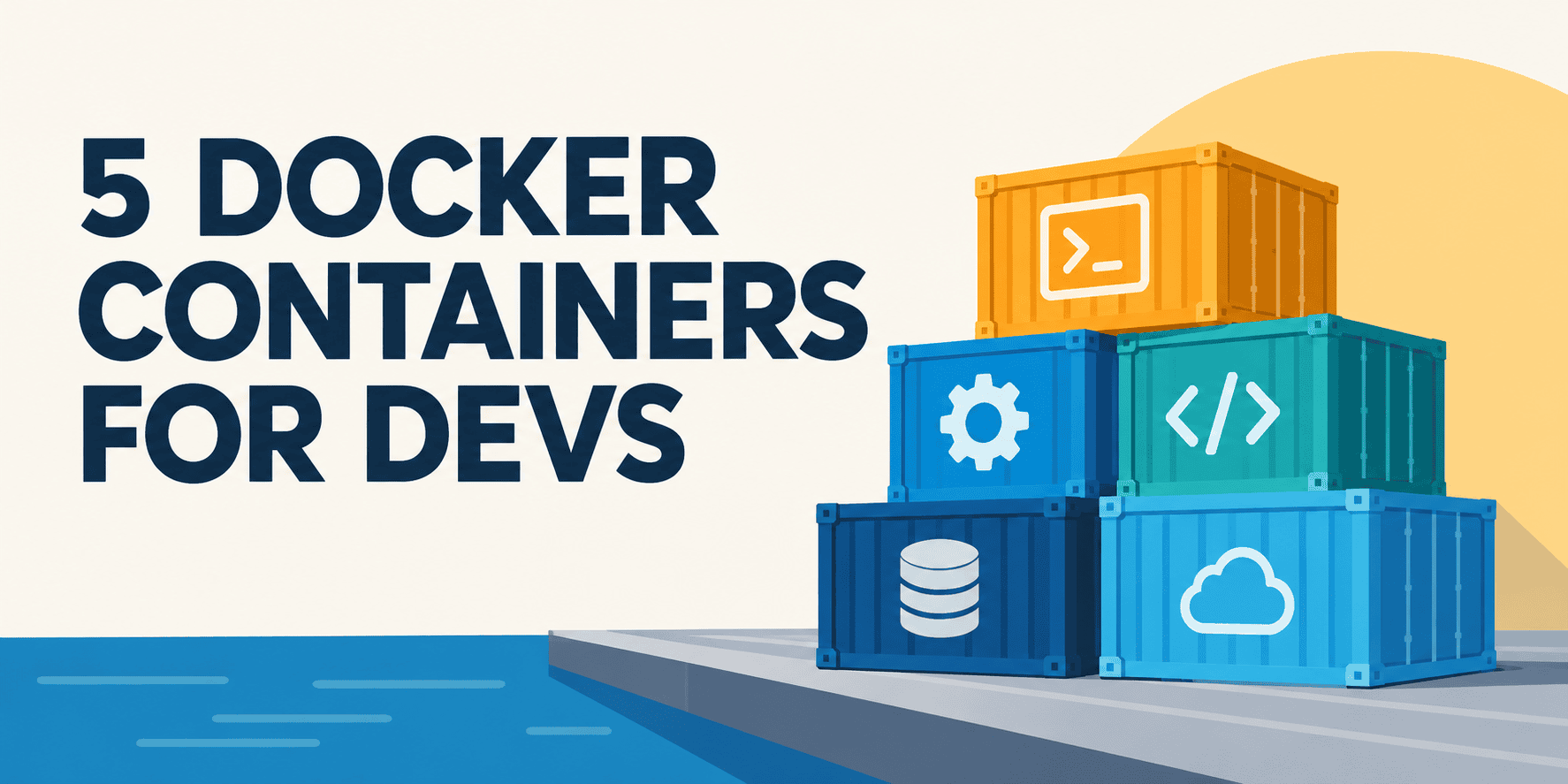
Five Self-Hosted Docker Tools That Keep Your Developer Data Local
If you're feeling constrained by traditional spreadsheets, it's time to explore a solution that empowers your data journey. Claude Haiku 5.5 now offers a smarter way forward, cutting list prices by 90% while adding adaptive thinking and a 1M token context window. That's faster workflows without the complexity. Discover how AI can transform your spreadsheet experience, making complex tasks simpler and more intuitive, because your tools should work for you, not the other way around.
Test your RAG apps against unauthorized document access with an open-source tool
A RAG app that quietly retrieves documents a user shouldn't see is a risk most teams don't catch until it's too late. This open-source checker tackles exactly that gap, supporting both offline test cases and live HTTP API checks with bearer-token or API-key auth. It's a practical, no-frills tool for validating access boundaries before they become a problem. The call for hands-on feedback from engineers testing non-sensitive environments is the right move.
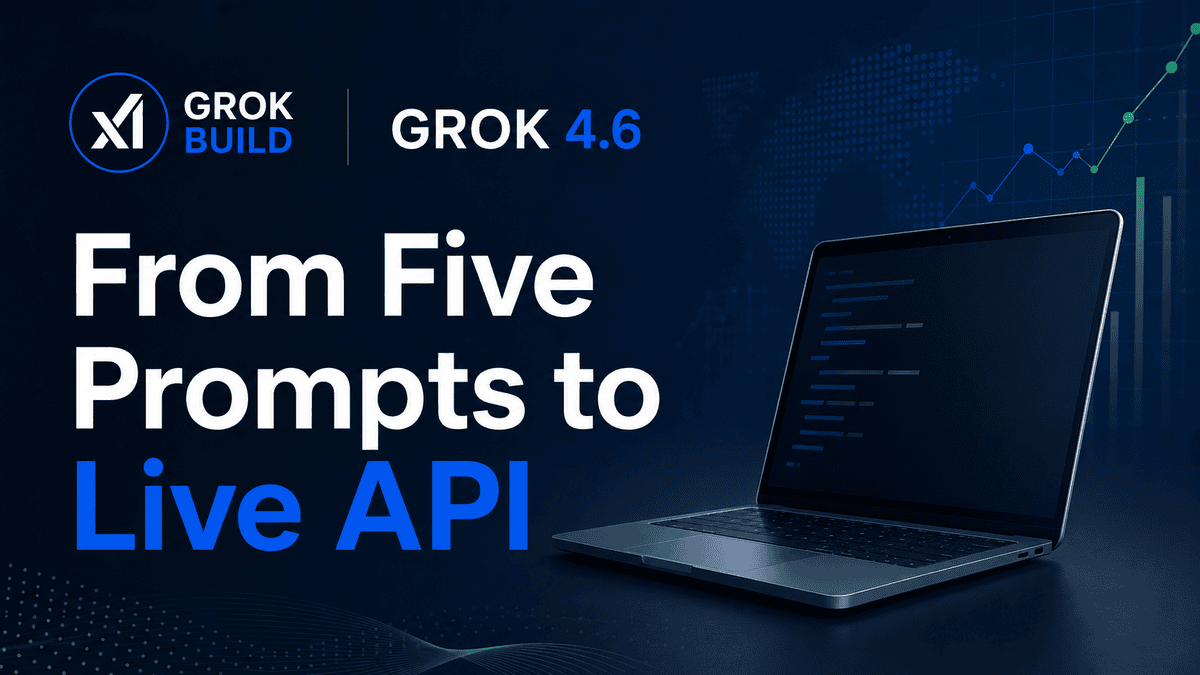
Turn Data Science Concepts into Deployable Workflows with Grok Build
Building a full data science project from scratch can feel overwhelming, but Grok Build and Grok 4.6 turn that chaos into a clear path. You'll move from exploratory analysis to scikit-learn models, then wrap it all in a FastAPI service, test it, and push it to the cloud. It's production-ready, not just a notebook experiment. For those wrestling with how AI models actually scale, our guide on distributed training algorithms pairs well with this workflow.