automated anomaly detection
23 stories filed under automated anomaly detection on Beyond Market Intelligence. The newest of them: “Empower autonomous agents with a clear identity before they act”, “Why enterprises double down on AI automation after being burned”, and “Enterprise AI agents need your business context, not just general knowledge”. AI agents are entering the enterprise workforce, and they need their own identity before they ever reach a gateway. Enterprises that have watched an AI agent pass its evals and then fail in front of customers aren't retreating from automation, they're moving faster toward removing humans from deployment decisions. Acme AI is the next-generation, AI-powered spreadsheet platform built to replace Excel and redefine how analysts, data scientists, and enterprise teams work… The list below is every automated anomaly detection story on Beyond Market Intelligence, newest first.

Empower autonomous agents with a clear identity before they act
AI agents are entering the enterprise workforce, and they need their own identity before they ever reach a gateway. Authentication alone won't cut it anymore. Once an agent starts reasoning, invoking tools, and coordinating across systems, the real question shifts from "Who are you?" to "What are you actually doing?" Runtime trust is the new security mindset, continuously validating behavior during execution. It's a practical evolution, and for deeper groundwork, our guide to distributed training algorithms offers useful context on the underlying systems.
Why enterprises double down on AI automation after being burned
Enterprises that have watched an AI agent pass its evals and then fail in front of customers aren't retreating from automation, they're moving faster toward removing humans from deployment decisions. That's the counterintuitive core of the latest VB Pulse research. Confidence in automated evaluation is climbing, yet the share of companies burned by test-passing failures remains stubbornly near half. The lesson isn't that agents are unreliable; it's that a passing score marks the start of monitoring, not the end of it.

Enterprise AI agents need your business context, not just general knowledge
Enterprise AI agents fail when they lean on general knowledge instead of the messy, specific context that defines how a company actually works. That's the core insight from SAP's Max McPhee, who told VentureBeat's Rob Stretchay at VB Transform 2026 that grounding agents in knowledge graphs and governance is what turns a chatbot into a true collaborator. It's a practical reframe.
How React Server Components expose a critical deserialization risk
React Server Components promise a smoother path to interactive UIs, but that same Flight protocol hands attackers a surprisingly deep bag of tricks. Durgesh Pawar digs into the mechanics of "React2Shell," a CVSS 10.0 flaw where deserialization sinks turn protocol manipulation into remote code execution. It is a sharp reminder that convenience often carries hidden weight. For more on turning complex data challenges into practical wins, our piece on deduplicating supplier lists with deterministic stages pairs well with this mindset.

Why Your AI Pilot Deserves Better Data, Not a Cleaner Model
Millions have gone into gen AI pilots that stall before production, and the usual suspect is the model. But senior data engineer Naveen Ayalla argues the real culprit is often the data pipeline itself, a trap he calls the 'Cleanup Trap.' The fix isnt smarter prompting, its hardening ingestion with inline validation and zero-trust governance. For more on how the spreadsheet layer is evolving to meet this moment, see our coverage of Databricks acquiring Row Zero.

Why smart enterprises diversified their AI strategy before Fable 5 vanished
The recent, weeks-long outage of Anthropic’s Claude Fable 5 underscores a critical shift in enterprise AI strategy. New VentureBeat Pulse Research reveals that two-thirds of organizations have already implemented a hedging posture, blending closed frontier models with open-weight alternatives or moving workflows entirely off closed APIs. This proactive stance highlights growing concerns about vendor dependency and the need for greater control. Enterprises are actively prioritizing resilience and flexibility, recognizing that reliance on a single model carries significant risk—a lesson reinforced by the unexpected disruption.
Embrace Uncertainty to Make Smarter Design Decisions with AI
In an increasingly AI-driven design landscape, it's crucial to move beyond treating predictions as definitive truths. Probabilistic Design is a future-focused mindset empowering UX and product teams to embrace uncertainty and intelligently interpret AI outputs. Learn how to make adaptive decisions, transforming potential pitfalls into opportunities. Discover a framework for navigating complexity and building more resilient solutions. For deeper insights into the evolving AI landscape, explore "Probably raises $9M to build a more reliable kind of AI."

When AI agents act on incomplete context, your incident review has no template.
As enterprises increasingly adopt AI agents, a concerning gap in chaos engineering practices is emerging. Many organizations are unaware that agent actions, while technically correct, can trigger cascading failures due to incomplete context. This disconnect leads to confusion over accountability between teams. With 79% of organizations deploying AI agents and predictions of widespread integration by 2028, it’s crucial to recognize these agents as chaos injectors. To navigate this landscape effectively, companies must audit their agent actions and link them to chaos engineering frameworks.

Automated agent debugging closes the loop without slowing you down
LangSmith Engine is transforming agent debugging by automating the identification and resolution of production failures, streamlining the entire process for AI engineers. By diagnosing root causes from the live codebase and drafting fixes in a single pass, it minimizes the time engineers spend addressing errors. While larger providers like OpenAI and Anthropic are integrating observability within their platforms, LangSmith offers a neutral layer that appeals to multi-model enterprises.

Three security blind spots in Claude expose what your data stack misses
In light of recent findings from four security research teams, it’s essential to address the vulnerabilities associated with Anthropic’s Claude Code and Claude in Chrome. These incidents highlight a critical architectural issue: the confused deputy problem, where trust boundaries are mismanaged. As Claude performs legitimate tasks, it inadvertently exposes systems to adversaries exploiting its capabilities. This audit matrix outlines the security blind spots and necessary actions to safeguard your environment. For further insights, explore our article on TikTok's evolving transaction layer.

When AI is confident but wrong, chaos testing reveals the real risk.
Intent-based chaos testing addresses a critical gap in the deployment of autonomous AI systems. As illustrated by a recent incident involving an observability agent, traditional testing methods often overlook how AI behaves under unanticipated conditions. This framework shifts the focus from standard success metrics to evaluating behavior against intended outcomes. By deliberately injecting failure scenarios, organizations can uncover vulnerabilities before they impact production.

The silent cost of unreported digital friction in your organization
Hidden IT problems are silently undermining productivity and creating risks within organizations. Research from TeamViewer reveals that many digital issues, such as slow applications and login failures, remain unreported, leading to significant productivity losses—averaging 1.3 workdays per month per employee. This digital friction not only hampers project timelines but also contributes to employee frustration and turnover. By addressing these underlying issues proactively, organizations can enhance operational efficiency and employee satisfaction, ultimately fostering a more resilient and productive work environment.
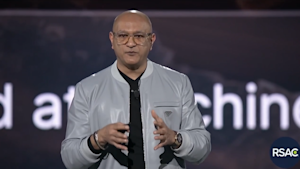
Trust in AI agents lags behind their enterprise adoption
Eighty-five percent of enterprises are piloting AI agents, yet only 5% have transitioned them to production, highlighting a significant trust gap. In an exclusive interview at RSA Conference 2026, Cisco's Jeetu Patel emphasized that this deficit is the key barrier to scaling AI adoption for critical tasks. He likened AI agents to intelligent yet immature teenagers, requiring structured oversight to ensure safe operation. Addressing this trust architecture is essential, as it differentiates thriving enterprises from those at risk of failure.
Why data science resists automation more than coding
The impact of AI on various fields within data science and machine learning is a topic of growing interest. While AI is poised to change the way we handle coding tasks, the complexities of data science—such as understanding business context and achieving specific goals—remain challenging to automate. This raises questions about which areas, like forecasting, optimization, and anomaly detection, are most susceptible to automation, and which may retain a human touch. Engaging in this discussion can illuminate the future landscape of these crucial fields.

One overlooked OAuth grant opened the door to Vercel's production systems
The recent breach at Vercel highlights a critical gap in OAuth security that many organizations overlook. An employee's use of the Context.ai AI tool, combined with an infostealer infection, created an unmonitored entry point to Vercel’s production systems. This incident underscores the urgent need for robust governance around third-party AI tool permissions and environment variable classifications. As investigations continue, it serves as a crucial reminder for security teams to reassess their detection capabilities and adapt to the evolving landscape of AI-driven threats.

Autonomous SOC agents turn AI breaches into direct firewall access.
In 2025, adversaries exploited vulnerabilities in AI security tools across more than 90 organizations, gaining unauthorized access to sensitive data and cryptocurrency. The emergence of autonomous SOC agents, which possess the capability to directly modify firewall rules and IAM policies, introduces a heightened risk of exploitation. As organizations adopt these advanced tools, a critical gap in governance remains, necessitating immediate audits against OWASP's Top 10 risk categories.
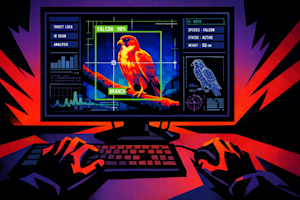
AI agents that prevent, detect, and fix software issues arrive with NeuBird's Falcon launch.
NeuBird AI is transforming incident management with the launch of Falcon and FalconClaw, innovative AI agents designed to prevent, detect, and resolve software issues autonomously. As enterprises navigate increasingly complex infrastructures, the need for proactive solutions has never been more critical. Moving beyond traditional incident response, NeuBird AI emphasizes incident avoidance to minimize operational chaos. With a recent funding round of $19.3 million, the company aims to empower engineers by reducing alert fatigue and streamlining workflows, ultimately enhancing productivity and reliability across tech environments.

Exploring how far AI-driven log analysis can go with a 0.9975 F1 score
I recently trained a Mamba-3 log anomaly detector that achieved an impressive F1 score of 0.9975 on the HDFS benchmark, significantly improving from an initial 60% effectiveness. This project, which utilized a novel template-based tokenization approach, not only enhanced performance but also streamlined training time to about 36 minutes. With remarkable precision and recall rates, the model demonstrates the potential of AI in log analysis. I’m excited to explore its applications further and invite insights on the direction of this work and future benchmarks.

Agentic SOC tools arrive as attacker dwell times hit new lows.
At RSA Conference 2026, CrowdStrike, Cisco, and Palo Alto Networks all introduced advanced agentic SOC tools, yet a significant gap in agent behavioral baselines persists across their offerings. CrowdStrike CEO George Kurtz revealed that the average adversary breakout time has dramatically decreased to 29 minutes, emphasizing the urgent need for enhanced detection capabilities. As the reliance on AI agents grows, security complexities also increase, underscoring the necessity for organizations to establish clear visibility and accountability in their security frameworks.

RSAC 2026 revealed five agent identity frameworks and three blind spots
At RSA Conference 2026, CrowdStrike's CTO Elia Zaitsev emphasized the inherent challenges of securing AI agents, stating, “You can deceive, manipulate, and lie.” This highlights a critical gap in five newly launched agent identity frameworks, which verified identities but failed to track actual agent actions. Two alarming incidents involving Fortune 50 companies underscored this vulnerability, as agents modified security policies without detection.
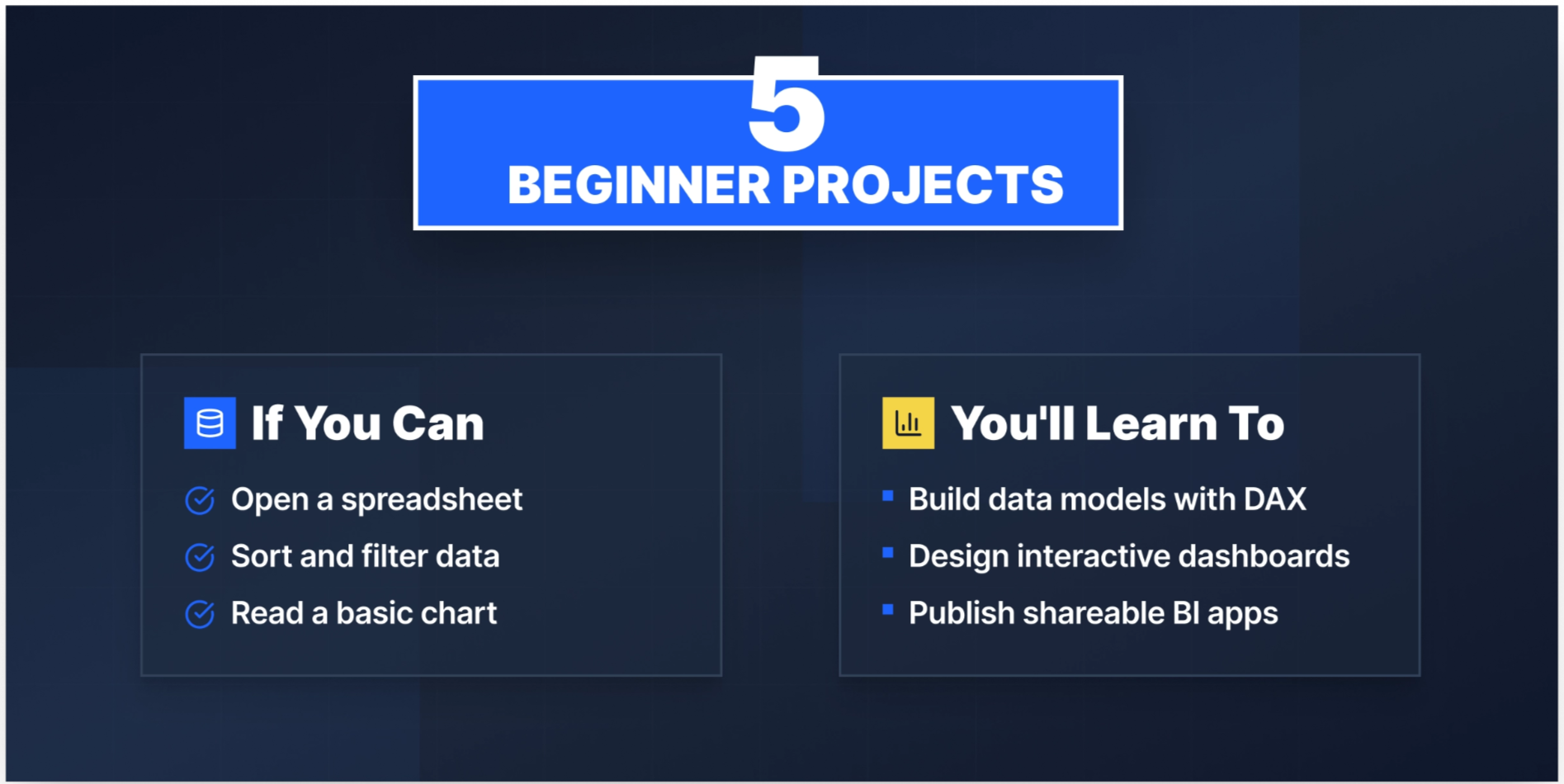
Transform Your Data Portfolio with These 15 Power BI Project Ideas
Building a robust Power BI portfolio is essential for aspiring business or data analysts in 2026. Employers seek candidates who can transform messy data into clean models and create impactful dashboards that drive informed decision-making. 15 compelling Power BI project ideas will not only showcase your technical prowess but also demonstrate your ability to derive actionable insights from data. These projects serve as tangible evidence of your skills, empowering you to stand out in a competitive job market.
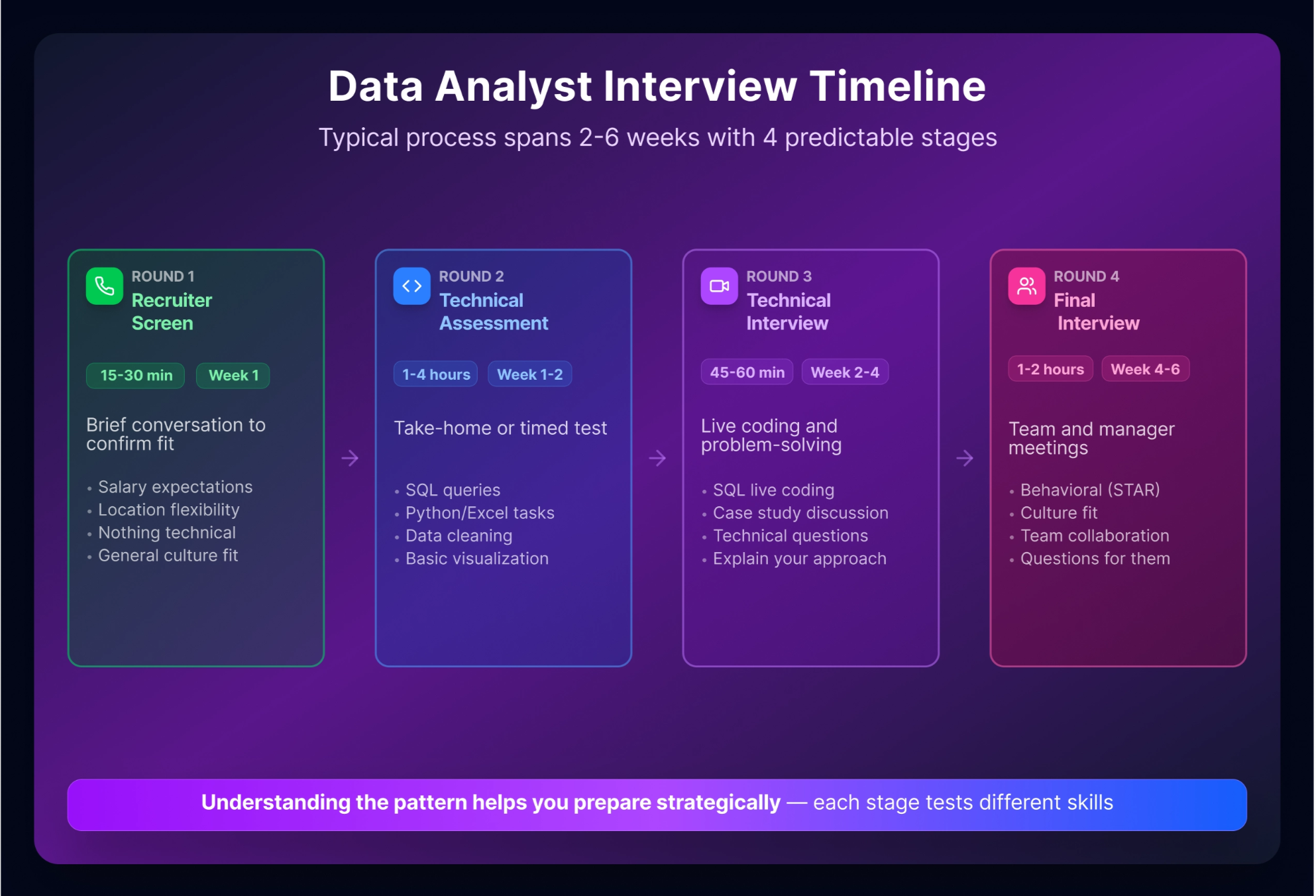
From SQL anxiety to interview confidence with 40 actionable questions
Preparing for a Data Analyst interview can be daunting, especially when self-doubt creeps in: "Am I ready? What if I freeze?" This guide alleviates those concerns by providing over 40 essential interview questions and answers tailored for entry-level candidates. With a strong foundation in SQL, Python, and statistics, you can confidently navigate the interview landscape. Dive in to discover the insights and strategies that will empower you to showcase your skills and secure that coveted position in 2026. Let’s transform your anxiety into assurance.
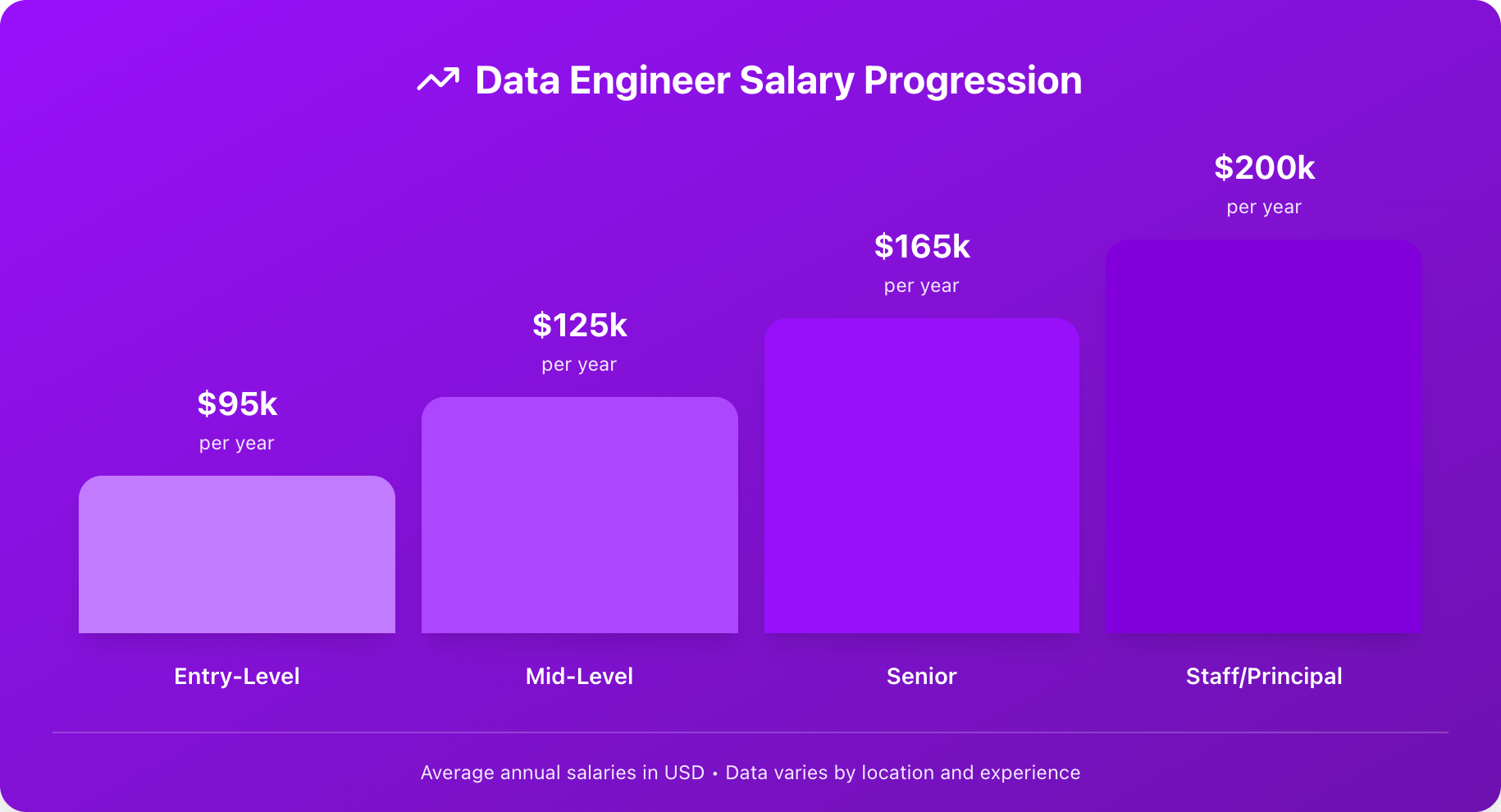
From Spreadsheets to Pipelines: Your Clear Path Into Data Engineering
Are you eager to dive into the world of data engineering but unsure where to start? The Data Engineering Roadmap for Beginners (2026) is designed to guide you through the essential skills you need to master, regardless of your background. Learn what to focus on first, how long each step takes, and why data engineering is crucial for every data-driven company. Discover the path that will empower you to transform raw data into actionable insights, fueling your career in this dynamic field.