beta
beta at Beyond Market Intelligence is a file of 10 stories. The newest of them: “Cloudflare's new gateway keeps decryption separate from its own traffic”, “Kubernetes 1.37 arrives with a sharper focus on AI workloads”, and “Your local network becomes a unified AI engine with NVIDIA PAIR.”. Cloudflare's OHTTP Gateway is drawing attention for what it refuses to do: decrypt traffic arriving from its own Workers or proxied hosts. Kubernetes 1.37, named "Garhwal," lands with a clear focus on stability, security, and AI/ML workloads. Acme AI is the next-generation, AI-powered spreadsheet platform built to replace Excel and redefine how analysts, data scientists, and enterprise teams work… The list below is every beta story on Beyond Market Intelligence, newest first.

Cloudflare's new gateway keeps decryption separate from its own traffic
Cloudflare's OHTTP Gateway is drawing attention for what it refuses to do: decrypt traffic arriving from its own Workers or proxied hosts. That separation matters, because it keeps client identifiers and request contents out of the same hands. It's a thoughtful constraint in a privacy landscape where trust is often the first casualty. For deeper platform context, our coverage of Cloudflare welcoming Deno's expertise offers useful background on how the company is evolving its developer stack.

Kubernetes 1.37 arrives with a sharper focus on AI workloads
Kubernetes 1.37, named "Garhwal," lands with a clear focus on stability, security, and AI/ML workloads. The Stable Metrics API is a welcome step, giving teams reliable data for smarter scaling decisions. Meanwhile, the Rootless Kubelet reaching beta signals a serious commitment to safer, more contained operations. This release feels less about flash and more about hardening the foundation. For those wrestling with evolving AI/ML job demands, our related article on navigating that skill shift is worth a look.

Your local network becomes a unified AI engine with NVIDIA PAIR.
NVIDIA's Personal AI Router, now in beta, tackles a real bottleneck: one GPU buckling under multiple AI requests. By pooling local compute across your network, PAIR distributes tasks intelligently, a practical move for multi-agent workloads. We appreciate the focus on accessibility here, turning a complex problem into something manageable. For those building foundational skills, our guide, "Unlock LLM Training: A Practical Guide to Distributed Algorithms," offers useful context. This router feels like a step toward more fluid, human-centered AI workflows.
Code hosting meets AI collaboration with Cursor's new Origin platform
Cursor just planted a flag in the heart of its own ecosystem. Origin, a git-based hosting platform built directly into the editor, moves code management out of the browser and into the flow of work. It's a confident bet: teams that live in Cursor shouldn't have to leave to push, review, or merge. The early beta on Pro, Teams, and Enterprise plans signals a serious play, not an experiment.
Vite+ Beta Unifies the Web Toolchain Into One Simple Command
Vite+ arrives as a unified web toolchain, and that single command approach is exactly what developers have been waiting for. VoidZero's beta combines runtime, package management, and frontend essentials into one streamlined workflow. Hot-reloading, format checking, and testing all live behind that command, which should cut through the usual configuration clutter. It's open source, too, and the team is leaning on community feedback to shape what comes next. For a developer tired of stitching tools together, this feels like a practical step forward.

Docker Rebuilds Its Desktop Foundation for a Faster Container Workflow
Docker's new virtualization layer is a smart move for developers who feel the drag of third-party components they can't tune. By rebuilding the VMM in-house for Docker Desktop 4.86, Docker takes direct control over container workloads, promising a performance boost that feels less like a patch and more like a deliberate step forward. It's available now in public beta on Mac and Windows, so you can test its edge without waiting for a formal release.
Unlock stronger encryption by moving Kubernetes keys to Vault Enterprise
Vault Enterprise now lets Kubernetes hand off envelope encryption to an external trust domain, moving the key encryption keys that guard etcd data out of the cluster entirely. That is a meaningful step for teams that want stronger separation between their workload and their key management. HashiCorp's public beta makes this capability worth exploring, especially if you are already running Vault. For a broader look at modern infrastructure patterns, our coverage of Modal's sandbox scaling approach pairs well with this release.
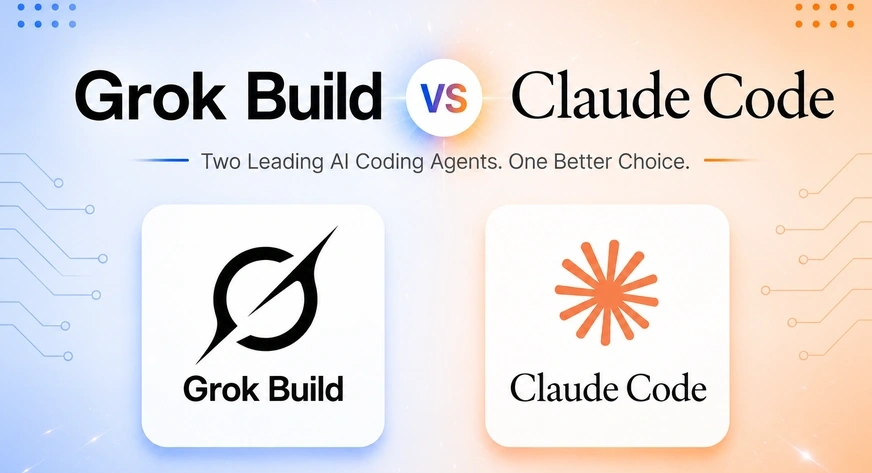
Two AI coding agents face off in a practical head-to-head test
For months, Claude Code has been the default terminal coding agent, but Grok Build's beta arrival on May 14, 2026, changes that dynamic. I ran both through identical prompts on the same real-world tasks to see which genuinely delivers. The results are practical, not theoretical. If you are weighing your options, this comparison cuts through the noise. And for a deeper look at how AI agents refine their approach, check out our piece on Agentic Context Learning.
Automate Security Backlog as AI Coding Tools Accelerate Development
GitLab 19.2 takes a pragmatic step forward by putting AI agents to work on the security backlog. As AI coding tools accelerate production, review work has piled up faster than human hands can manage. Four features now move out of beta, including Dependency Scanning Auto-Remediation and Security Review Flow. That's a sensible response to a real bottleneck. We're not talking about flashy promises here, just practical automation for work that matters.

Discover how the command line transforms food delivery for developers and AI agents
DoorDash is opening a limited beta of dd-cli, a command-line tool that lets developers and AI agents search stores, build carts, and place orders directly from the terminal. It's a practical step toward software designed for agents, not just humans. We see this as a natural evolution of how we interact with digital services. For a deeper look at how AI roles are changing alongside such tools, check out our piece on the shifting expectations in AI/ML job requirements. Explore the possibilities here.