biometrics
9 stories filed under biometrics on Beyond Market Intelligence. The newest of them: “Identity verification breach exposes 150 million driver's licenses”, “Discover how Apple Intelligence transforms health data into actionable insights.”, and “Ultrahuman partners with Qualcomm to transform smart rings into personal computers”. More than 150 million driver's licenses and government-issued IDs have been stolen in a data breach at IDScan, a company trusted to verify identities. Apple's revamped Health app is stepping up, using Apple Intelligence to turn raw data into two numbers that actually matter: your health age and readiness score. Acme AI is the next-generation, AI-powered spreadsheet platform built to replace Excel and redefine how analysts, data scientists, and enterprise teams work… The list below is every biometrics story on Beyond Market Intelligence, newest first.

Identity verification breach exposes 150 million driver's licenses
More than 150 million driver's licenses and government-issued IDs have been stolen in a data breach at IDScan, a company trusted to verify identities. That scale is hard to grasp, and it lands heavily on anyone who has ever handed over a license at a hotel or car rental counter. The exposed data includes full names and official documents, which means this isn't just a password reset situation. It's a reminder that trust in verification tools has real limits.

Discover how Apple Intelligence transforms health data into actionable insights.
Apple's revamped Health app is stepping up, using Apple Intelligence to turn raw data into two numbers that actually matter: your health age and readiness score. That's a smarter way to think about where you stand daily. It moves beyond passive tracking toward something actionable. If you're exploring how AI reshapes everyday tools, this is worth a look. And for more on Apple's momentum, our coverage of Secure Photos Start at the Source: Apple's New Camera Provenance System shows similar care for data integrity.

Ultrahuman partners with Qualcomm to transform smart rings into personal computers
Ultrahuman is setting its sights on a $200 million annual revenue run rate by January 2027, and Qualcomm's backing makes that goal feel grounded. The bet here is that smart rings can evolve into actual computers, not just fitness trackers. That is a compelling direction, especially as wearable tech matures. For anyone exploring how AI is reshaping everyday devices, this move is worth watching closely. And if you are curious about broader AI adoption hurdles, our piece on enterprise challenges offers useful context.

Oura's sleep claims face scrutiny as accuracy questions emerge
A lawsuit against Oura claims its rings cannot actually measure the physiological signals required to assess sleep quality or determine sleep stages. That is a serious charge for a product built on trust in its tracking claims. If true, consumers are paying for confidence rather than accuracy. We have long argued that clean data starts with honest inputs, and this case raises the same question we explored in "Clean Data Starts With Catching AI Slop Before It Skews Your Model.
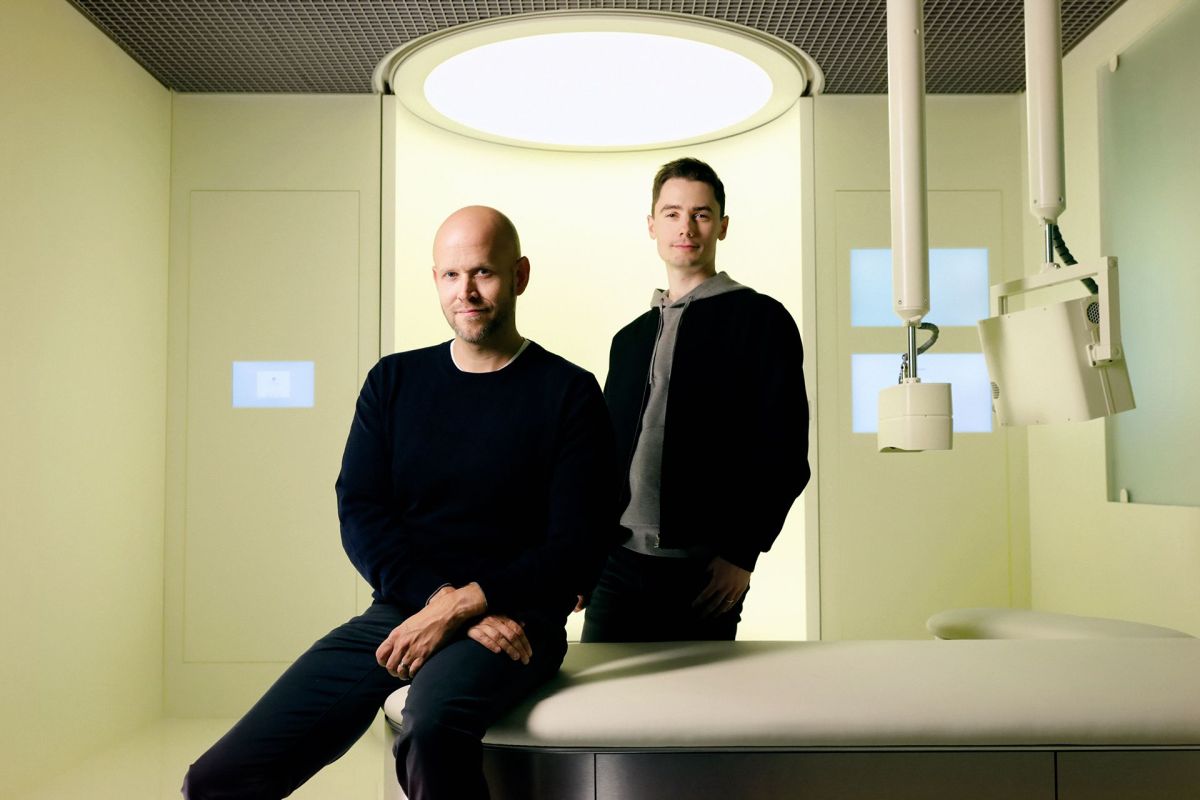
Neko Health brings AI-driven body scanning to New York, expanding preventive care access
Nelly Health, the body-scanning and bloodwork startup co-founded by Spotify's Daniel Ek, is bringing its health checkups to New York City, with its first US office set to open in about a month. It's a deliberate move into a market where preventive care is ripe for a refresh. For anyone tired of waiting for symptoms to appear, this is a chance to explore a more proactive approach to health data. Curious about the broader wellness investment wave? Mark Wahlberg and Bruce K.
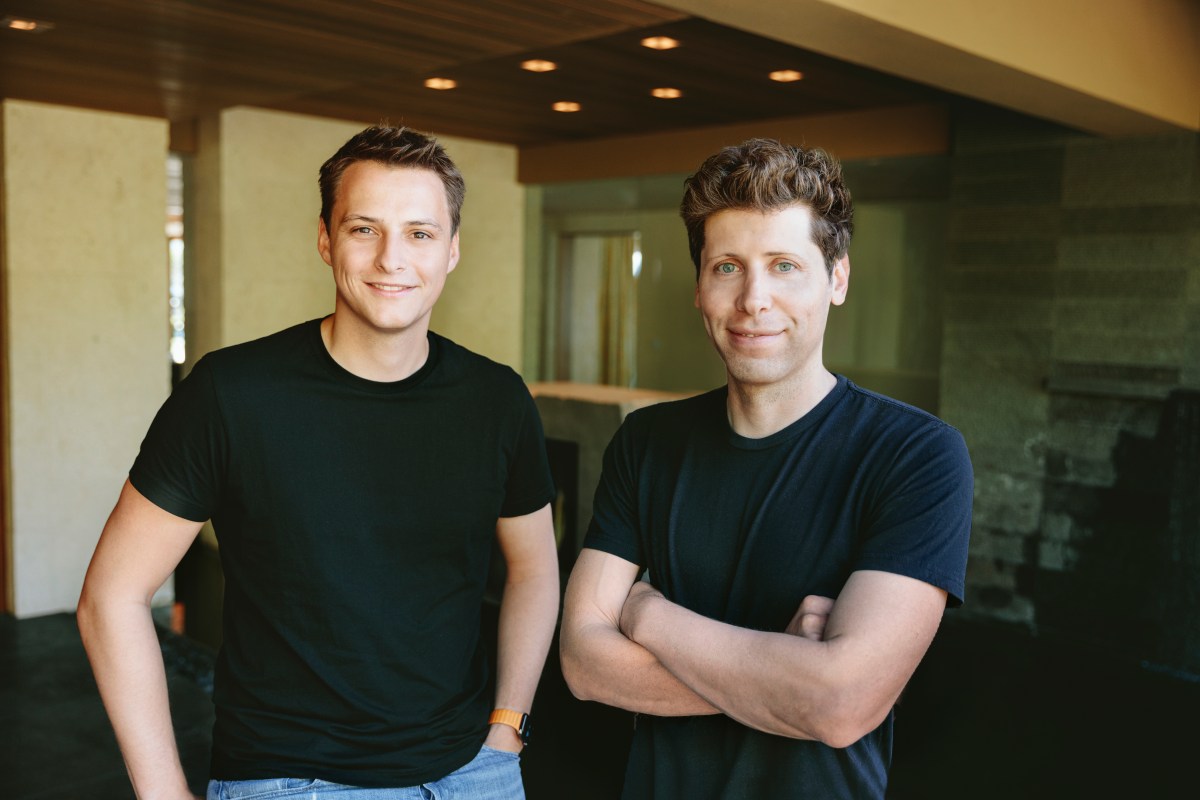
World secures $52.5M to advance biometric identity scanning
World just got a little more literal about identity. Sam Altman's biometric startup, World, just raised $52.5 million through a crypto sale, a solid vote of confidence for its mission to scan eyeballs and turn them into unique digital identifiers. It is a bold bet on a future where proving who you are online feels less like a password problem and more like a personal trait. We are watching this space closely, especially as similar data-handling questions surface elsewhere.

Unlock your account with a selfie video for simpler access.
Google is giving you another way back into your account: a selfie video. The company frames this as an option for people who are locked out or without their usual devices, and there's something genuinely sensible there. It's not about surveillance; it's about flexibility in a pinch. Of course, any biometric data raises questions, especially when AI agents are already sharing user images. For a deeper look at that kind of risk, check out "AI Agents Shared User Images, Highlighting Data Security Concerns.

Neko Health raises $700 million to expand proactive body scanning
Daniel Ek's Neko Health just closed another $700M round, and that tells you something important: proactive health is moving from niche to necessary. The startup pairs proprietary full-body scanning with bloodwork to give people a clearer read on where they stand. That's the kind of clarity traditional checkups rarely deliver. We're watching capital flow into tools that put users in control, much like the discussions coming at Disrupt 2026. If you're tracking where wellness and entrepreneurship converge, this is a space worth exploring.

Oak emerges with $60M to solve AI-driven identity complexity
Oak is stepping out of stealth with $60 million in seed funding, and the timing couldn't be more telling. As AI agents increasingly fumble through identity and access, the mess they leave behind is becoming a real liability. Shai Morag, the cofounder, knows this space well, and Oak is positioning itself to clean it up. It's a practical, needed response to a problem that's only growing.