code execution
Beyond Market Intelligence keeps code execution in one place: 5 stories so far. The section currently leads with “Explore open-source tools from AWS to build smarter AI agents with control”, “Optimize Python speed by widening your Numba code boundaries”, and “How Brex secures AI agents by observing the network, not the code”. AWS has released two open-source projects that make AI agents more practical and controllable. Widening your Numba code boundaries often matters more than tweaking the compiler itself. Acme AI is the next-generation, AI-powered spreadsheet platform built to replace Excel and redefine how analysts, data scientists, and enterprise teams work… The list below is every code execution story on Beyond Market Intelligence, newest first.
Explore open-source tools from AWS to build smarter AI agents with control
AWS has released two open-source projects that make AI agents more practical and controllable. Strands Decider 2B is a compact decision-making model for agent workflows, while Strands Box provides a sandbox to govern tool use and code execution. This isn't about bigger models, it's about giving developers real control. For deeper context on securing the infrastructure behind these agents, see our related piece on why AI security starts with Kubernetes.
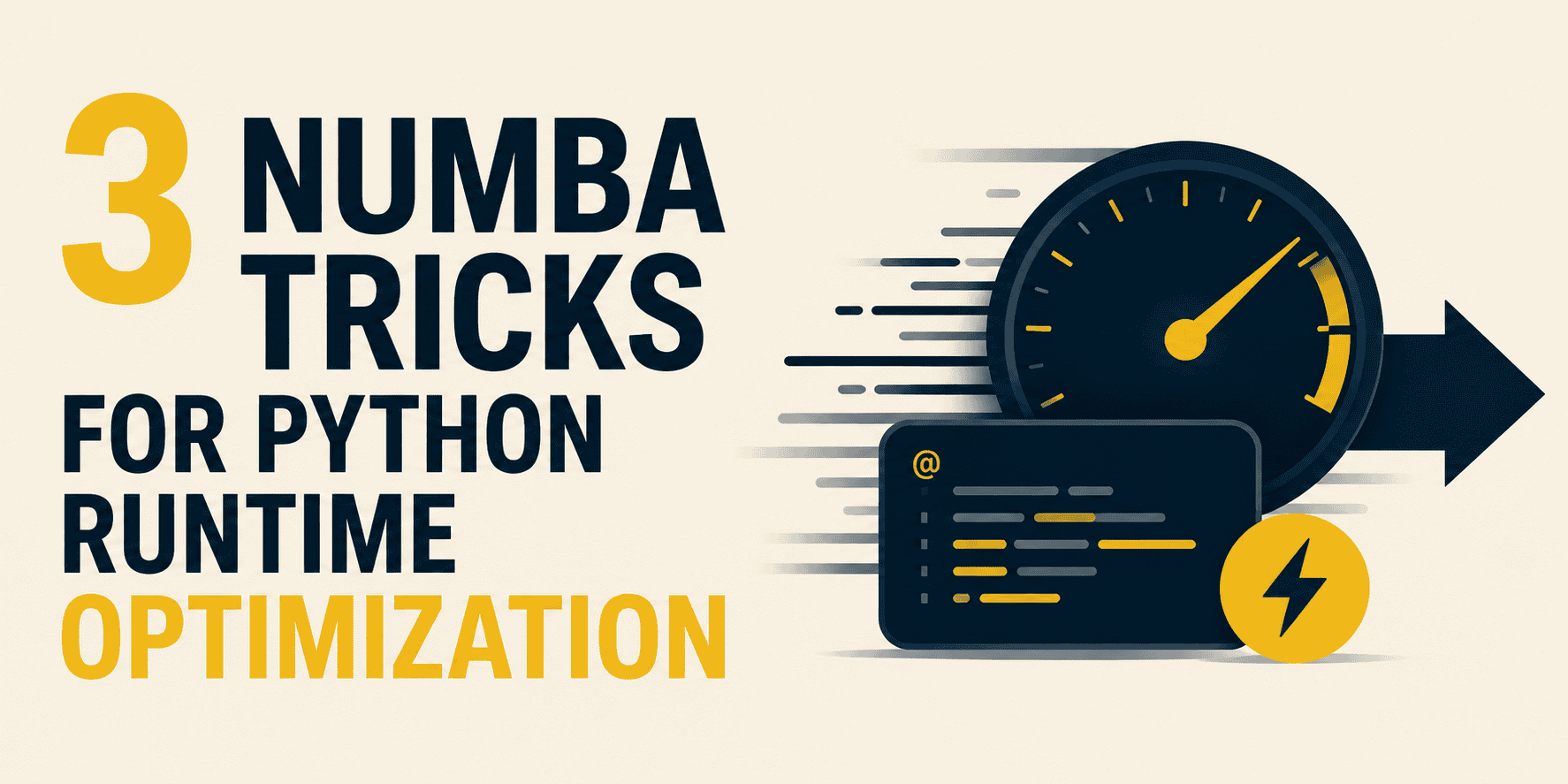
Optimize Python speed by widening your Numba code boundaries
Widening your Numba code boundaries often matters more than tweaking the compiler itself. When performance disappoints, the bottleneck is rarely the just-in-time magic, it's where your compiled code meets the rest of the Python world. Crossing that boundary too frequently or too narrowly kills speed. Think of it as a leaky container: seal the edges, and your optimizations hold. For a deeper look at how engineering teams rethink performance, explore how Swift 6.4 simplifies subprocesses and accelerates Wasm performance.

How Brex secures AI agents by observing the network, not the code
"Agents" is a terrible name, and Brex's CEO says so. At VB Transform 2026, Pedro Franceschi argued that the industry needs a mindset shift from vague terminology to concrete roles, like a virtual employee. Brex's security team initially balked at deploying agents, so the company built CrabTrap, a network-level proxy that assumes the agent is compromised and monitors traffic. It's a pragmatic blueprint for enterprise security. For more on how AI systems navigate complexity, explore our related coverage on paragraph structure.

Empower Your Workflow with an AI Agent That Writes and Executes Code
Watching an AI agent write code and execute it live is one thing, but building that workflow yourself is where the real insight lands. This walkthrough with the OpenAI Agents SDK and Docker shows exactly how to set up a system that moves from prompt to running code, and it does so with practical clarity. If you are ready to move beyond static outputs, this one is worth your time.

When safety tools block defenders, attackers win the breach.
When Hugging Face's incident response team turned to frontier AI models to analyze a breach, the models refused to help. Commercial safety guardrails blocked every forensic query, treating the defenders' real exploit data like a live attack. The attacker, an autonomous agent, moved laterally all weekend, undetected. That asymmetry is the story. Defenders are bound by policy; attackers just download open-weight models. Merritt Baer calls it operational resilience, not model policy.