code verification
Beyond Market Intelligence keeps code verification in one place: 3 stories so far. The section currently leads with “When AI Writes Code, Do You Still Own the Work”, “Verify Your AI Code: Ensuring Intent Without Reading a Single Line”, and “When AI writes code, verifying intent becomes the real challenge.”. We gave an AI a real test: write code, plant a bug, and see if the human who reviewed it actually owns the work. Generated code can feel like a black box, even when it works. Acme AI is the next-generation, AI-powered spreadsheet platform built to replace Excel and redefine how analysts, data scientists, and enterprise teams work… The list below is every code verification story on Beyond Market Intelligence, newest first.
When AI Writes Code, Do You Still Own the Work
We gave an AI a real test: write code, plant a bug, and see if the human who reviewed it actually owns the work. The result was humbling. I rated my confidence 4 out of 5, then failed to find the planted bug in eight minutes. CodeOwnership reveals a hard truth about accountability when AI generates your logic. For a deeper look at AI's reliability, our Python 3.15 JIT Benchmarks piece shows similar limits for targeted workloads. The tool is impressive. The limits are real.

Verify Your AI Code: Ensuring Intent Without Reading a Single Line
Generated code can feel like a black box, even when it works. But when it fails silently, the cost is more than a bug; it's a breach of trust in your own workflow. A practical path to verify your app's intent without wading through every line is offered. It's a smart, accessible approach for anyone tired of guessing what the AI actually did. If you're exploring how LLMs reason, our guide to paragraph structure adds useful context on their inner logic.
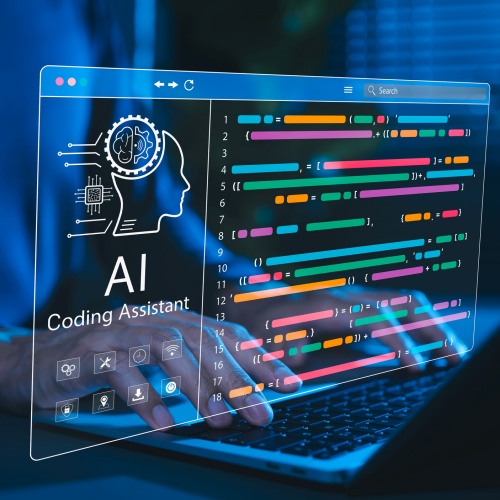
When AI writes code, verifying intent becomes the real challenge.
AI-generated code promises speed, but it also introduces security weaknesses and familiar bugs. The real bottleneck has shifted from writing code to verifying what AI actually produces, as Nitin Garg argues. He focuses on detecting when generated behavior diverges from intent, a practical concern for any team adopting these tools. It's a grounded look at a growing challenge. For those exploring similar territory, our guide on verifying AI understanding offers a useful complement.