enterprises
enterprises at Beyond Market Intelligence is a file of 8 stories. The newest of them: “Why your next insider threat might come from an AI agent”, “Beam gives enterprises the tools to build their own private AI factories”, and “BAG Ventures raises $11.3M to back AI startups built for real enterprise use”. Your next insider threat might not be a person, it could be an AI agent. Enterprises and sovereign nations are increasingly looking for AI they can truly call their own. Acme AI is the next-generation, AI-powered spreadsheet platform built to replace Excel and redefine how analysts, data scientists, and enterprise teams work… The list below is every enterprises story on Beyond Market Intelligence, newest first.

Why your next insider threat might come from an AI agent
Your next insider threat might not be a person, it could be an AI agent. Microsoft is urging enterprises to watch the agents employees use, especially those running on systems not controlled by labs like OpenAI and Anthropic. The convenience of delegating tasks to these tools comes with real risk. For deeper context on why oversight matters, see our piece on how AI stress-tests robots and self-driving cars before they roll out.

Beam gives enterprises the tools to build their own private AI factories
Enterprises and sovereign nations are increasingly looking for AI they can truly call their own. Beam's answer is the private AI factory: a system that trains Reflection's models on your proprietary data, inside your own infrastructure. This is a meaningful step beyond renting someone else's cloud brain. For readers tracking how AI moves from demo to deployment, this is a model worth watching.

BAG Ventures raises $11.3M to back AI startups built for real enterprise use
BAG Ventures has closed an $11.3 million Fund I with a clear mission: back AI startups built for actual enterprise use, not just buzz. That focus matters. Too many AI tools impress in demos but fail under real workflows. This fund aims to change that. For deeper context on the broader AI investment wave, readers can explore our coverage of EliseAI securing $350 million and doubling its valuation in a single year. The enterprise AI space is accelerating, and BAG Ventures is positioning itself wisely.

Anthropic, Clay, and Gamma on moving AI from demo to deployment
The leap from AI demo to daily deployment is the hardest part of the journey. At TechCrunch Disrupt 2026, Anthropic, Clay, and Gamma will share exactly what that transition demands. We expect real talk about friction, not just polished results. If you are serious about moving past the pilot phase, this session is worth your time. Register now and get 50% off a second pass. For more on Anthropic's latest advances, read our coverage of "Sonnet 5.5 delivers faster insights while reducing your token spend."
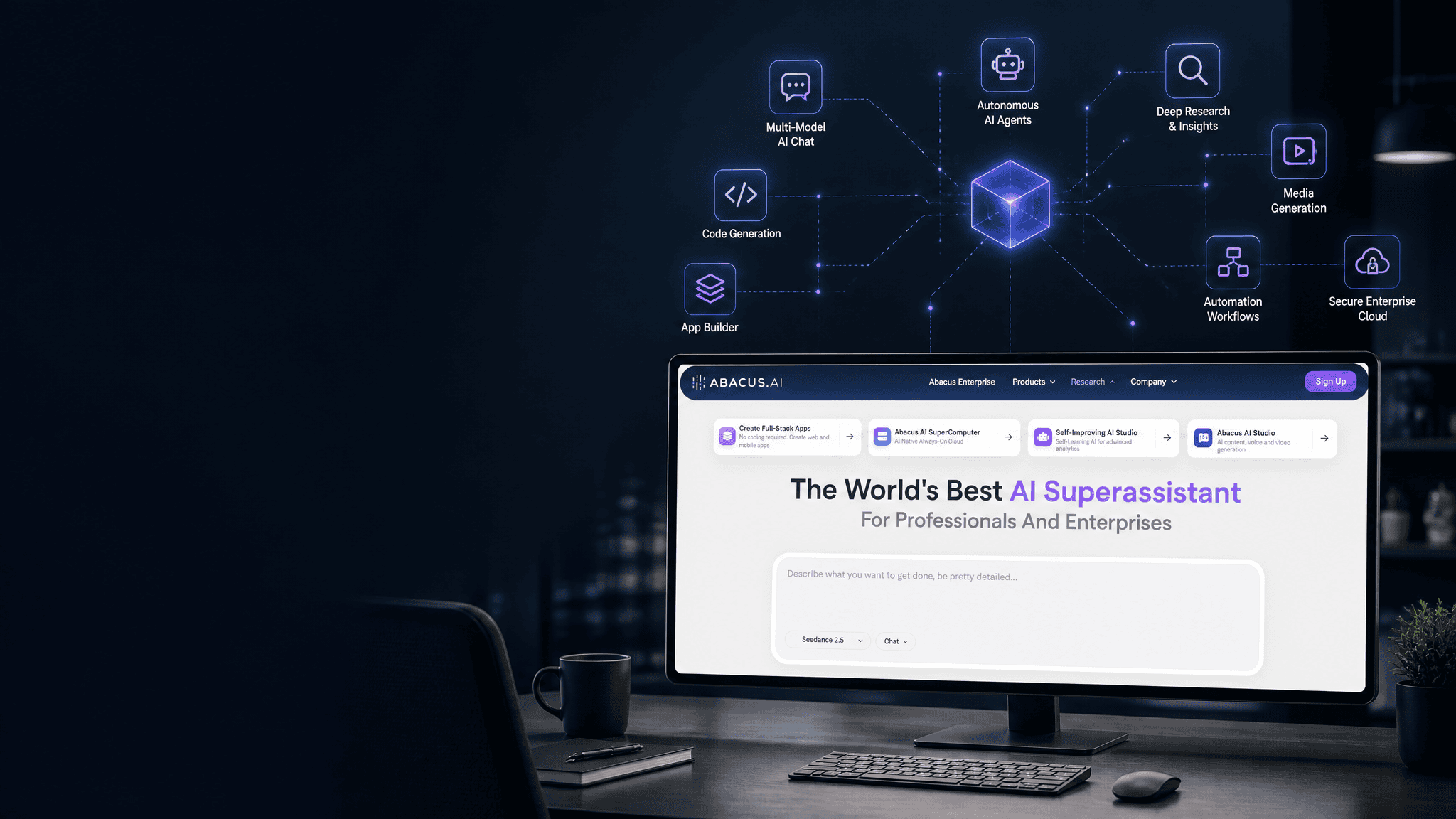
Discover How One AI Platform Can Streamline Your Current Tool Stack
If you're juggling separate subscriptions for ChatGPT, Claude, and another AI tool, the cost adds up fast. This review of Abacus AI asks whether an all-in-one platform actually delivers on its promise. It gets practical, breaking down what the platform includes and how the credit system works in real use. The verdict? It may genuinely replace your stack, not just add to it. For a broader take on AI's momentum, our piece on Meta's Muse AI Agent offers useful context.
Okta strengthens identity security for the age of AI agents
Okta's acquisition of Permiso, reportedly around $200 million, signals a clear response to a growing reality: not every identity in your cloud is human. As AI agents multiply, so do the access points that demand scrutiny. This move gives Okta serious threat detection for non-human identities, which is precisely where enterprise security gets tricky. It's a practical step, not a flashy one. For teams wrestling with agent sprawl, this feels timely.

Fish Audio secures $52M to expand AI voice models for millions of users
Eight million users in under a year, with $21 million in recurring revenue, tells a clear story: Fish Audio is building something people actually want. The $52M seed round backs a pragmatic bet that open-source and hosted AI voice models can serve both creators and enterprises without the usual friction. That traction is earned, not hype. For anyone tired of clunky voice pipelines, this is a signal worth exploring.

Open models are reshaping where enterprise AI actually runs
Hugging Face CEO Clem Delangue sees the AI race shifting ground. Enterprises are increasingly choosing open models for cost, accessibility, and ownership, not because frontier tech lacks dazzle, but because production reality demands control. That raises a fair question: does the latest benchmark matter if most real-world AI runs on open alternatives? I think the answer is nuanced, and it's worth exploring how these choices play out in practice.