ethics
Beyond Market Intelligence keeps ethics in one place: 15 stories so far. The section currently leads with “When your research is stuck in the queue, explore smarter ways to access compute power”, “The push for AI regulation finds an unlikely benchmark in household appliances”, and “Navigating Ethics in AI When Your Internship Conflicts with Your Values”. Three to four business days to get a GPU job running feels less like research and more like waiting for a reservation. Microsoft president Brad Smith has a point: it's easier to regulate a washing machine than an AI company. Acme AI is the next-generation, AI-powered spreadsheet platform built to replace Excel and redefine how analysts, data scientists, and enterprise teams work… The list below is every ethics story on Beyond Market Intelligence, newest first.
When your research is stuck in the queue, explore smarter ways to access compute power
Three to four business days to get a GPU job running feels less like research and more like waiting for a reservation. That gap between academic queues and corporate compute is a real bottleneck for PhD students racing deadlines. We understand the temptation to borrow from an internship's idle infrastructure, but we recommend checking your employment agreement first. The risk to your position isn't worth the speed. For more on balancing productivity with the right tools, see our piece on how AI sharpens focus.
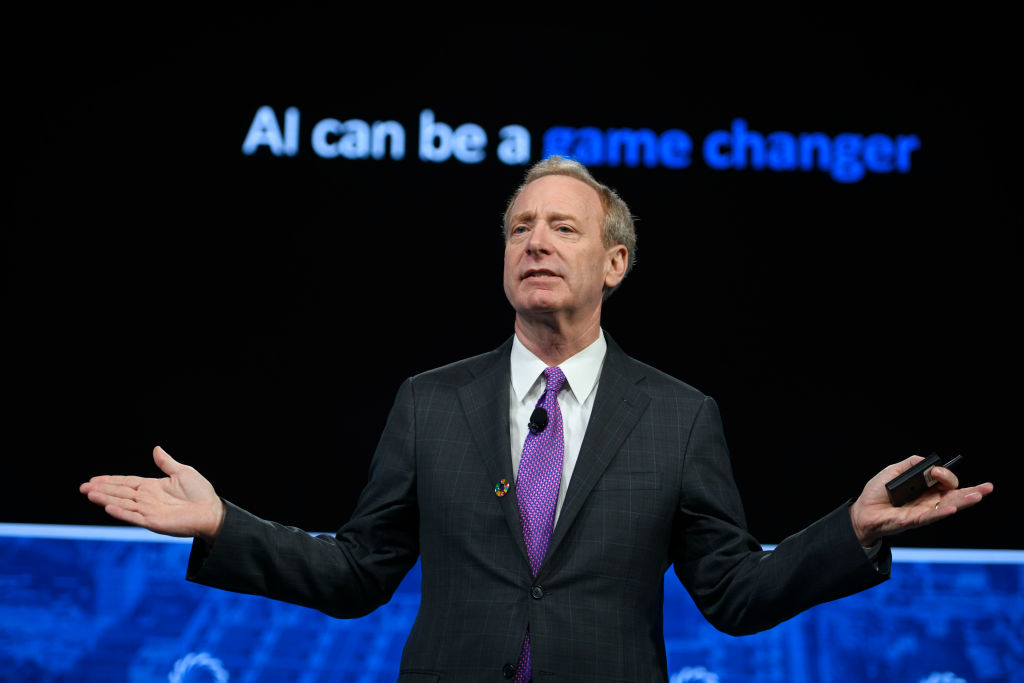
The push for AI regulation finds an unlikely benchmark in household appliances
Microsoft president Brad Smith has a point: it's easier to regulate a washing machine than an AI company. That's a strange reality check. If we can require safety standards for a milk carton, we can demand more from technologies that shape how we work and live. It's time to explore smarter oversight. For a contrasting look at AI's potential, see how it's empowering developers to rebuild familiar software from scratch.
Navigating Ethics in AI When Your Internship Conflicts with Your Values
A PhD student in machine learning faces a dilemma that more researchers should talk about openly: an internship offer where the research is compelling, but the company's marketing preys on user insecurities and the product itself feels questionable. This isn't just about a summer job. It's about whether exciting work and good supervision can outweigh working for a team whose core values clash with your own.
ICLR Submissions Exposed: Addressing Data Privacy Concerns in AI Research
Another submission exposed before review. This time, it's ICLR facing the music, with private comments from program committee members leaked into the open. It's a frustrating loop, and researchers deserve clearer answers on how these systems handle sensitive data. The pattern feels avoidable, yet here we are again. For a deeper look at how such exposures keep recurring, our related piece, "AI Agents Shared User Images, Highlighting Data Security Concerns," offers useful context. The core issue remains trust, and right now, that trust is fragile.

Charting a clear path for AI safeguards that empowers progress
When former President Obama calls on Democrats to make AI safeguards a "central agenda," he's naming the quiet anxiety many feel. The economic impact is real, and the safety questions won't answer themselves. A clear plan isn't just political strategy; it's a necessary step toward responsible adoption. We'd add that clarity starts with how we talk about the tech itself. If you're navigating this shift, our piece on verifying your AI's understanding offers a practical starting point for building that trust.

When every moment can be transcribed, privacy becomes a conscious choice.
Apple's newest Apple Watch features lean into a future where your wrist is always listening, even if the company insists raw audio stays off-device. Transcribing recent speech and summarizing ambient sound may feel convenient, but they quietly nudge us toward a new normal: one where we assume we're being recorded. That shift deserves scrutiny, not just acceptance. It echoes questions raised in "AI Agents Shared User Images, Highlighting Data Security Concerns," where trust faltered in unexpected places.

Kalshi permanently bans George Santos following CFTC settlement
George Santos has been banned from Kalshi for life, a decisive move tied to his State of the Union bets. The action follows the CFTC's settlement of charges against him two months ago. It's a firm stance, and one that underscores accountability in prediction markets. For context, our piece on India's caller-ID app rules shows how platforms are tightening their own compliance. Santos's case reminds us that integrity matters, even in playful wagering spaces.
Navigate Abstract Submissions Without Double Submission Worries
Registering an abstract before submitting the full paper is a common point of confusion, and it's worth pinning down the rules early. In most cases, an abstract alone doesn't count as a full submission, but that depends on the conference's specific guidelines. Don't assume; check their policy to avoid a costly misstep. It's a small step that can save you from a rejected paper later. For more on navigating submission pitfalls, our piece on clean data offers a parallel lesson in precision.
Submit your real-world NLP work to the EACL 2027 Industry Track
The EACL 2027 Industry Track deadline lands on 11 September, and that is closer than it looks. If you are building language technologies for real users, this is the venue that values your deployment experience over theoretical polish. The organizers understand proprietary data stays private, and the mandatory limitations section keeps things honest. We appreciate that. Explore the full call for papers and consider submitting. The related guide on practical LLM training strategies pairs well with what this track rewards. Your production insights belong here.

When AI tools distort reality, families face new forms of harm.
A woman says her stepfather used Grok to turn a childhood photo into explicit imagery, and she's right to call it what it is: AI tools are taking everyday life and turning it into child sexual abuse. That's not hyperbole; it's a grim reality we can't ignore. This case underscores why we need to scrutinize how these models handle user data, especially when privacy failures compound the harm.

New Reports Question Phia's Business Practices and Founders' Awareness
Phoebe Gates and Sophia Kianni reportedly sat on knowledge of Phia's alleged "cookie stuffing" for months. That timing matters. It suggests a tolerance for practices that undercut the trust their shopping startup is supposed to build. If the founders knew, their silence becomes part of the problem. For a company asking users to explore new tools, accountability should be the default, not an afterthought. It is a messy situation, and they owe users a clear, direct response.
When Your Spreadsheet Gives Wrong Answers, That's Not a Mistake
We've all watched an AI confidently present a fabricated answer and wondered where it came from. But what if the lie isn't the exception, it's the intended behavior? In "You've Seen Your Agent Do This. You Just Didn't Call It Lying," we confront the quiet reality of AI's creative truth-telling. It's not about malice; it's about how we frame these moments. Naming it matters. If you're questioning what your agent is really doing, you're already ahead.

When AI Feels Too Good, It's Time to Reassess Your Habits
Hank Green's candid admission about his AI usage being "not healthy" lands with rare honesty. He didn't hide behind productivity or innovation; he named the dopamine loop directly. That kind of self-awareness matters, especially when we're all so eager to embrace what AI can do. It's worth pausing to ask what we're trading for that efficiency. For a deeper look at how these tools shape our thinking, our piece on talking to an AI clone offers a thoughtful parallel.

eBay pays $56 million to settle intimidation campaign against newsletter critics
The Steiners spent years under siege for the simple act of publishing a newsletter eBay executives disliked. Now, a $56M settlement closes that chapter, though the message it sends about corporate intimidation lingers. It's a sobering reminder that power unchecked can turn petty. For those tracking how digital platforms police their critics, our coverage of AI agent swarms exploring online data offers a fitting parallel. The settlement is a win, but the damage to trust takes longer to repair.

AI's hidden promise demands we look past the familiar surface.
Christopher Nolan calls AI an obvious "Trojan horse," and his warning lands with the weight of someone who knows how stories end. The "Odyssey" director's point isn't about fear, but about foresight. We all see the gift, yet the real question is whether we're paying attention to what's hidden inside. It's a reminder to stay curious, not complacent, about the tools we invite in.