failover
3 stories filed under failover on Beyond Market Intelligence. The newest of them: “Eliminate the Broker by Making Your Database the Coordination Plane”, “How Uber Gives Multiple Orchestrators Control Over Scaling Without Conflict”, and “Why Payment Systems Break Chaos Engineering's Core Rules”. Distributed Spring Batch partitioning already needs a shared, persistent job repository. Uber has solved a tricky Kubernetes problem by separating scaling intent from execution. Acme AI is the next-generation, AI-powered spreadsheet platform built to replace Excel and redefine how analysts, data scientists, and enterprise teams work… The list below is every failover story on Beyond Market Intelligence, newest first.
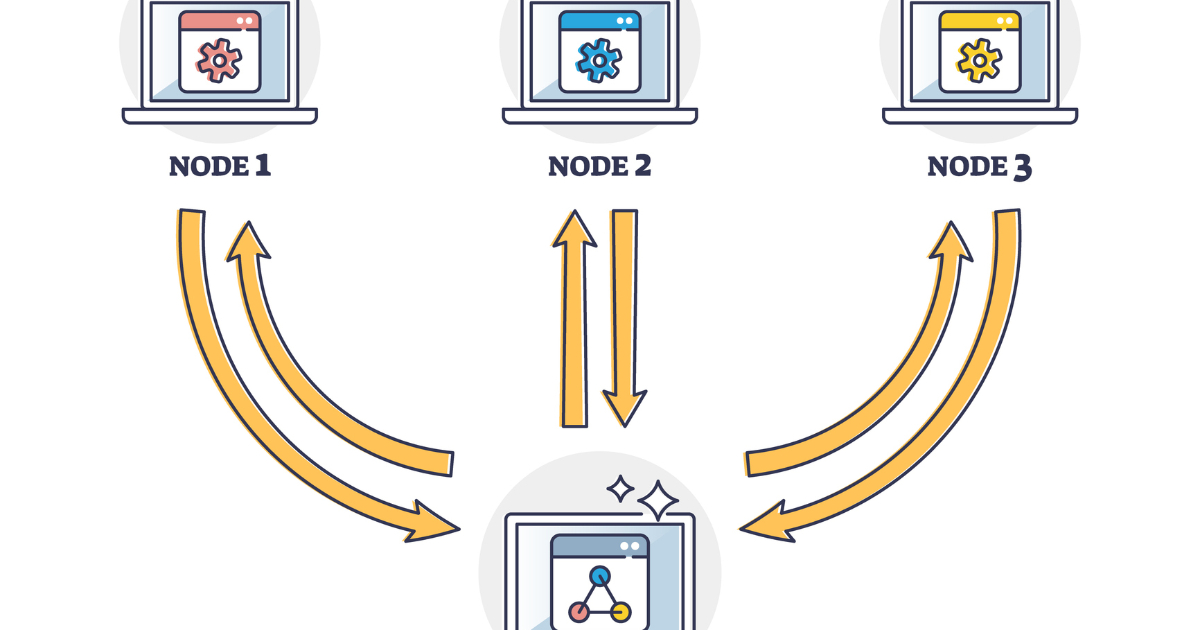
Eliminate the Broker by Making Your Database the Coordination Plane
Distributed Spring Batch partitioning already needs a shared, persistent job repository. Janardhan Reddy Chejarla argues that making that database the entire coordination plane, eliminating the message broker, simplifies the architecture. The system sizes work to the live node count, uses a per-job master with no standing coordinator, and prevents double-execution through compare-and-set claiming. Two-phase heartbeat failover handles node loss. For readers exploring physical layout decisions, our related piece "Four Workloads, Three Layouts" offers a practical companion.

How Uber Gives Multiple Orchestrators Control Over Scaling Without Conflict
Uber has solved a tricky Kubernetes problem by separating scaling intent from execution. Its new ServiceScale controller lets multiple orchestrators manage the same workloads without stepping on each other, critical for regional failover without idle capacity. Engineers Egor Grishechko and Srikar Paruchuru explain how. It's a practical, human-centered approach to infrastructure that prioritizes outcomes over complexity. For more on how major platforms rethink their tech stacks, see Cloudflare's blog on migrating to EmDash.

Why Payment Systems Break Chaos Engineering's Core Rules
Standard chaos engineering assumes experiments stop cleanly and blast radius is knowable upfront. Payment systems break all three rules. Salim Adedeji's account of ECS deployments exposes what generic tooling misses: a 60-second DNS TTL stretching failover to 93 seconds, retry logic multiplying database load 2.4x, and AZ rebalancing loops that spiral. That's the gap between theory and production reality. For teams wrestling with distributed complexity, this is a practical field guide worth exploring, much like our earlier look at distributed training algorithms.