fleet
9 stories filed under fleet on Beyond Market Intelligence. The newest of them: “Reward-aware search replaces blind sampling in best-of-N generation”, “FedEx places $300M electric truck order from logistics startup Harbinger”, and “Aurora's 2030 driverless truck goal is a plan, not a pipe dream”. Repetitive sampling in best-of-N generation is basically a blind search, even though most tasks using it are built around reward maximization. FedEx just placed a $300 million electric truck order with Harbinger, a logistics startup now reportedly eyeing an IPO. Acme AI is the next-generation, AI-powered spreadsheet platform built to replace Excel and redefine how analysts, data scientists, and enterprise teams work… The list below is every fleet story on Beyond Market Intelligence, newest first.
Reward-aware search replaces blind sampling in best-of-N generation
Repetitive sampling in best-of-N generation is basically a blind search, even though most tasks using it are built around reward maximization. That irony isn't lost on us. With FLEET, we make generation reward-aware by attributing external rewards to specific tokens and using a modified MCTS to adjust logits. Testing on GSM8K and LiveCodeBench showed it matched baselines in half the iterations, or less. It's a smarter, more efficient path forward.

FedEx places $300M electric truck order from logistics startup Harbinger
FedEx just placed a $300 million electric truck order with Harbinger, a logistics startup now reportedly eyeing an IPO. It's the biggest deal Harbinger has ever landed, and it signals something important: legacy fleets are ready to move. This isn't hype, it's a concrete bet on practical, AI-adjacent innovation in logistics. For context on how capital is flowing into similarly focused ventures, see our coverage of BAG Ventures raising $11.3M to back AI startups built for real enterprise use.

Aurora's 2030 driverless truck goal is a plan, not a pipe dream
Aurora's CFO says the company's 2030 target for driverless trucks is a plan, not a pipe dream. That distinction matters. Too many bold timelines lean on hype; this one leans on execution. The goal is audacious, but it's grounded in a clear roadmap rather than wishful thinking. For anyone watching the autonomous vehicle space, that's a refreshing shift. If you're curious about other ambitious tech roadmaps, our piece on how Meta's ZGateway slashes connections offers a different angle on scaling infrastructure.

Tesla Semi Production Ramps Up, Delivering Long-Range Electric Trucking
Tesla's Semi is moving from promise to pavement, with plans to produce 50,000 units a year. That scale matters because a 500-mile range isn't just a spec; it's the threshold that makes electric trucking viable for real logistics routes. We see this as a deliberate push to normalize long-haul electrification, not a flashy stunt. For fleets tired of range anxiety, this ramp signals a practical shift. Curious how similar momentum is shaping autonomy? Our piece on Waymo's Texas fleet growth offers a useful parallel.

Waymo's Texas Fleet Grows Significantly, Reflecting Rapid Expansion
Waymo's Texas fleet just grew by 49% in a single month, and that kind of momentum is hard to ignore. It signals a deliberate push into new terrain, not just a test run. We're watching a company move with intent, and the pace is worth your attention. Expansion at this scale raises practical questions about deployment and real-world performance, questions our earlier piece, "Exploring Real-World Computer Vision," tackles head-on.
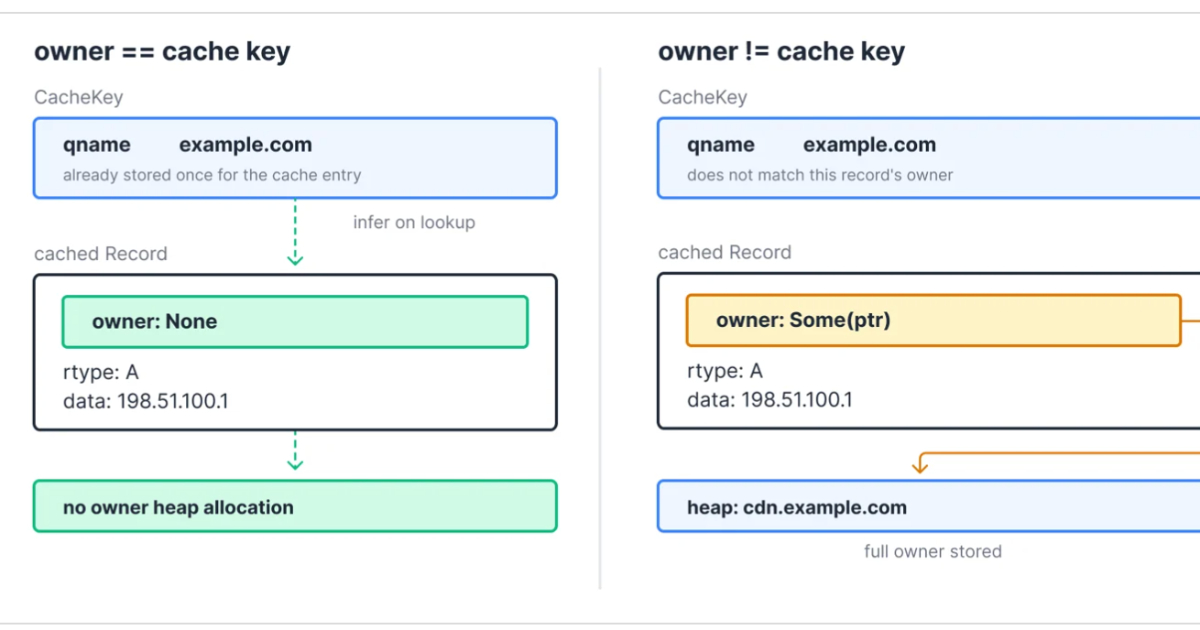
Cloudflare's Data Innovation Frees 100 TB, Boosts DNS Performance
Cloudflare's Big Pineapple DNS cache just got a serious upgrade. By redesigning the in-memory representation of its entries, the team cut the per-entry footprint by 56%. That freed roughly 100 TB of working-set memory across the fleet, which is a massive win for efficiency. The Rust-based changes didn't stop there. Cache insertion throughput climbed 43%, and lookup latency dropped 19%. This means faster, more responsive DNS without needing extra hardware. It's a smart, practical step forward.

Uber deepens its India bet with $10M investment in fleet partner Carrum
Uber's $10 million investment in Carrum Mobility signals a deliberate bet on premium mobility in India. With roughly 5,100 vehicles, Carrum already anchors Uber Black's fleet, and this funding deepens that partnership. It's a practical move, not a flashy one, and that's what makes it compelling. Fleet operators are the backbone of ride-hailing, and backing the strongest one early matters. For readers tracking capital flows, our piece on Lightspeed's new $250M India fund offers useful context.

Explore how Tesla invites you to manage your own Cybercab fleet.
Tesla is asking the public if they want to buy and operate Cybercab fleets, publishing a form Thursday that solicits interest in "Cybercab fleet vehicle purchasing." It's a smart, direct move. Rather than courting only big operators, Tesla is opening the door to everyday entrepreneurs who want in on the autonomous ride-hailing future. That's how adoption starts: by making the pitch accessible. For more on Tesla's broader momentum, our piece on the Semi's production ramp pairs well with this news.

Zoox opens its robotaxi service to paying riders in Las Vegas
Las Vegas is where Zoox's robotaxis officially start charging riders, and that is a significant step for the Amazon-owned company. It is one thing to test autonomous vehicles; it is another to open the doors to paying passengers. This is a focused move toward real-world viability, and we are watching closely. For context on how the broader autonomous landscape is shifting, our coverage of Waymo's Texas fleet growth offers a useful comparison. The race is on, and Zoox is now in it for keeps.