GenAI
4 stories filed under GenAI on Beyond Market Intelligence. The newest of them: “Validating LLMs: What Banking Model Rules Teach Us About AI Testing”, “Build and benchmark production RAG with fully open models”, and “Untangle the Data Hairball with Autonomous Data Products for AI”. Banks have spent decades refining model validation, but large language models don't fit neatly into those established frameworks. Building a RAG system that actually works in production takes more than stitching together a vector database. Acme AI is the next-generation, AI-powered spreadsheet platform built to replace Excel and redefine how analysts, data scientists, and enterprise teams work… The list below is every GenAI story on Beyond Market Intelligence, newest first.
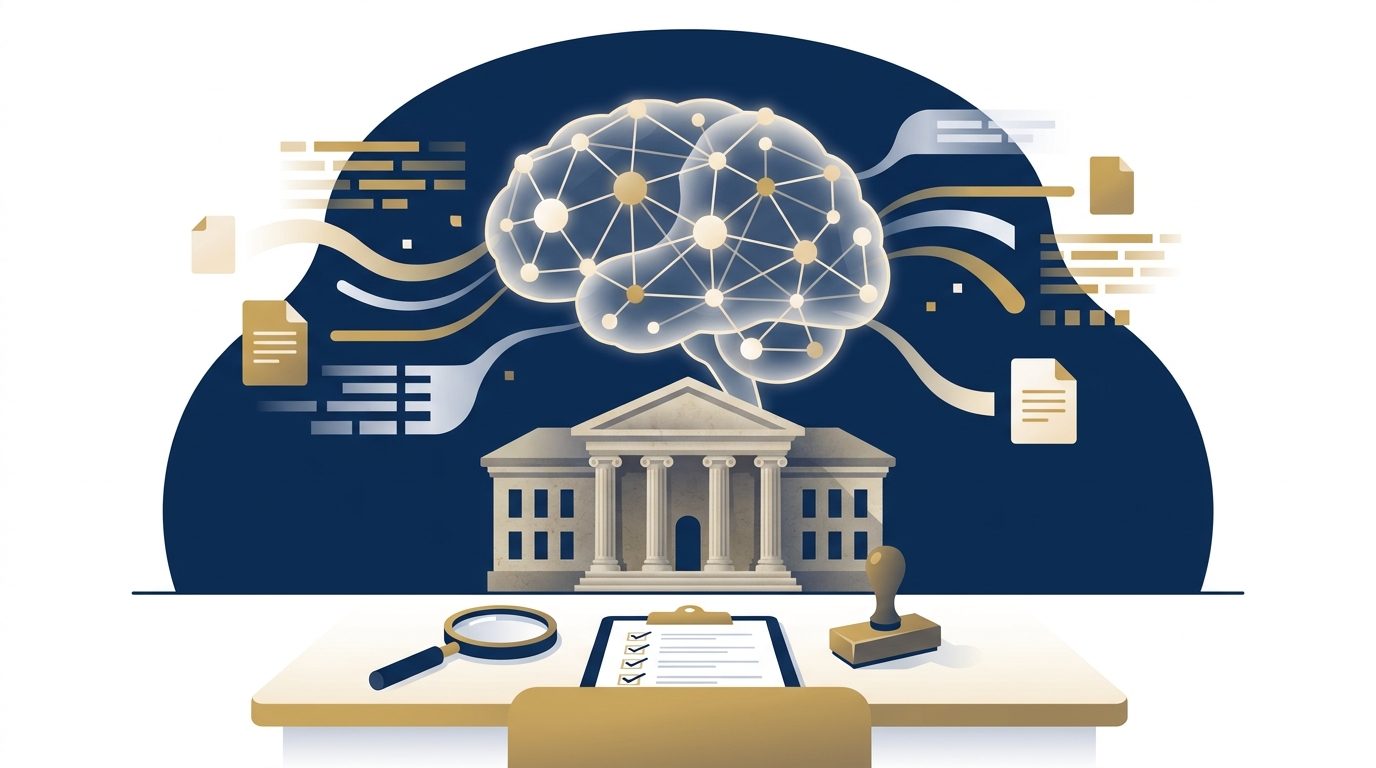
Validating LLMs: What Banking Model Rules Teach Us About AI Testing
Banks have spent decades refining model validation, but large language models don't fit neatly into those established frameworks. This piece examines what actually breaks when the rules shift from statistical models to generative systems, and more importantly, what survives the transition. It's a practical look at testing output quality where traditional assumptions no longer hold. For anyone wrestling with AI governance, this offers a grounded starting point.
Build and benchmark production RAG with fully open models
Building a RAG system that actually works in production takes more than stitching together a vector database. This workshop on August 29, led by Ben Auffarth of Chelsea AI Ventures, tackles the messy parts head-on: hybrid retrieval, reranking, and guardrails built in from the start. It's refreshing to see evaluation with RAGAS and real cost benchmarking treated as essentials, not afterthoughts. If you're tired of demo-grade AI, this hands-on session is worth exploring.

Untangle the Data Hairball with Autonomous Data Products for AI
Data doesn't scale by adding more pipelines. It scales by giving data a boundary. Jörg Schad makes that case with autonomous data products, which wrap pipelines, schemas, and metadata into self-contained units. The promise is a cleaner architecture for GenAI, one where governance isn't bolted on but built in. He also shows how protocol-driven discovery can reduce context rot, a real pain for AI reliability.
Explore the agent-driven repositories reshaping AI development this July
If you've spent time on GitHub Trending this July, you've seen the shift: it's not research papers turning into repositories anymore, it's agents. Coding agents, pentesting agents, trading agents, and the infrastructure holding them together. We tracked star growth and real-world impact to surface the ten repos that mattered most. The momentum is tangible, and it points toward a more accessible AI workflow. For a deeper look at how these tools shape behavior, our piece on AI agents learning by editing context pairs well here.