GPU programming
Beyond Market Intelligence keeps GPU programming in one place: 2 stories so far. The section currently leads with “When AI Writes Faster CUDA Kernels Than PyTorch, Benchmarks Decide” and “Explore how Triton simplifies custom GPU kernels for faster ML workflows.”. AI agents are now writing CUDA kernels that beat PyTorch on speed, but proving those gains are real is the harder problem. Triton shines when the bottleneck is memory-bound rather than compute-bound. Acme AI is the next-generation, AI-powered spreadsheet platform built to replace Excel and redefine how analysts, data scientists, and enterprise teams work… The list below is every GPU programming story on Beyond Market Intelligence, newest first.
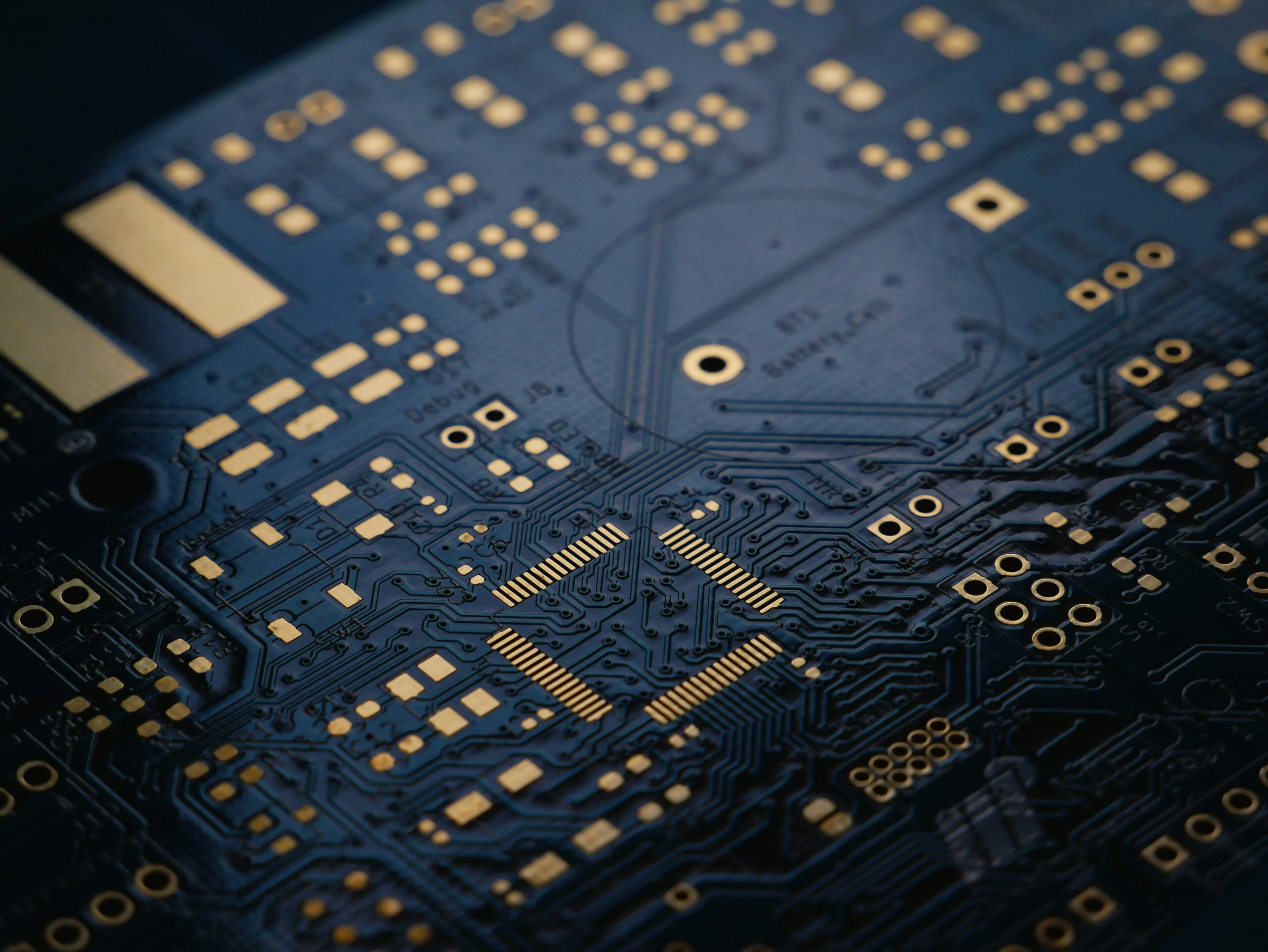
When AI Writes Faster CUDA Kernels Than PyTorch, Benchmarks Decide
AI agents are now writing CUDA kernels that beat PyTorch on speed, but proving those gains are real is the harder problem. I tested them on an NVIDIA DGX Spark and found that benchmark design matters as much as the code itself. When the hype machine sells you AI at every turn, a clear-eyed test like this cuts through the noise. For more on staying grounded, see our related piece on keeping your judgment amid the AI sales pitch.

Explore how Triton simplifies custom GPU kernels for faster ML workflows.
Triton shines when the bottleneck is memory-bound rather than compute-bound. Operations like element-wise fusions, reductions, or attention that stall on data movement are prime candidates for custom kernels. Harshwardhan Fartale's early-access book gets this right: it focuses on practical acceleration, not theory. If you're stuck waiting on a stubborn layer, that's the signal to explore. For those new to kernel work, pairing this with broader distributed training context, like the guide on LLM training algorithms, helps frame when optimization matters most.