knowledge graphs
Beyond Market Intelligence keeps knowledge graphs in one place: 8 stories so far. The section currently leads with “Uber's AI Agent Saves Lawyers 20% Time on Contract Reviews”, “From Static Graphs to Living Memory: 6 Agentic Patterns for Smarter Data”, and “When Presenters Can't Answer Questions, AI Papers Fail the Test”. Uber's legal team has built an AI agent that cuts contract review time by over 20%, with 91% accuracy on AI-generated decisions. A static knowledge graph is a map. Acme AI is the next-generation, AI-powered spreadsheet platform built to replace Excel and redefine how analysts, data scientists, and enterprise teams work… The list below is every knowledge graphs story on Beyond Market Intelligence, newest first.

Uber's AI Agent Saves Lawyers 20% Time on Contract Reviews
Uber's legal team has built an AI agent that cuts contract review time by over 20%, with 91% accuracy on AI-generated decisions. The system combines RAG, historical lawyer feedback, and deterministic rules into a practical tool that works inside Microsoft Word. Built with LangGraph, OpenSearch, and Redis, it's a grounded example of AI solving a real workflow problem, not a flashy demo. For more on how governed autonomy is changing data work, see our coverage of *Governed AI brings trusted autonomy to mission-critical data work*.
From Static Graphs to Living Memory: 6 Agentic Patterns for Smarter Data
A static knowledge graph is a map. A living Context Graph is a memory that remembers decisions, user intent, and operational history. This guide explores six agentic patterns that transform that map into something smarter. For teams already monitoring quality and cost over error rates, our related piece on monitoring AI agents offers a natural next step. It is time to explore data that learns.
When Presenters Can't Answer Questions, AI Papers Fail the Test
A presenter at an A* AI conference couldn't explain how he represented knowledge graphs, stalled for five minutes, then said "with a vector." Another opened ChatGPT mid-Q&A and read answers aloud. One researcher published the same paper at two conferences and left his LLM prompts in the repo, faked data included. This isn't a few bad apples; it's a systemic rot. Rejecting AI-generated papers outright is a blunt tool, but the alternative is trusting garbage. Hardworking researchers deserve better.
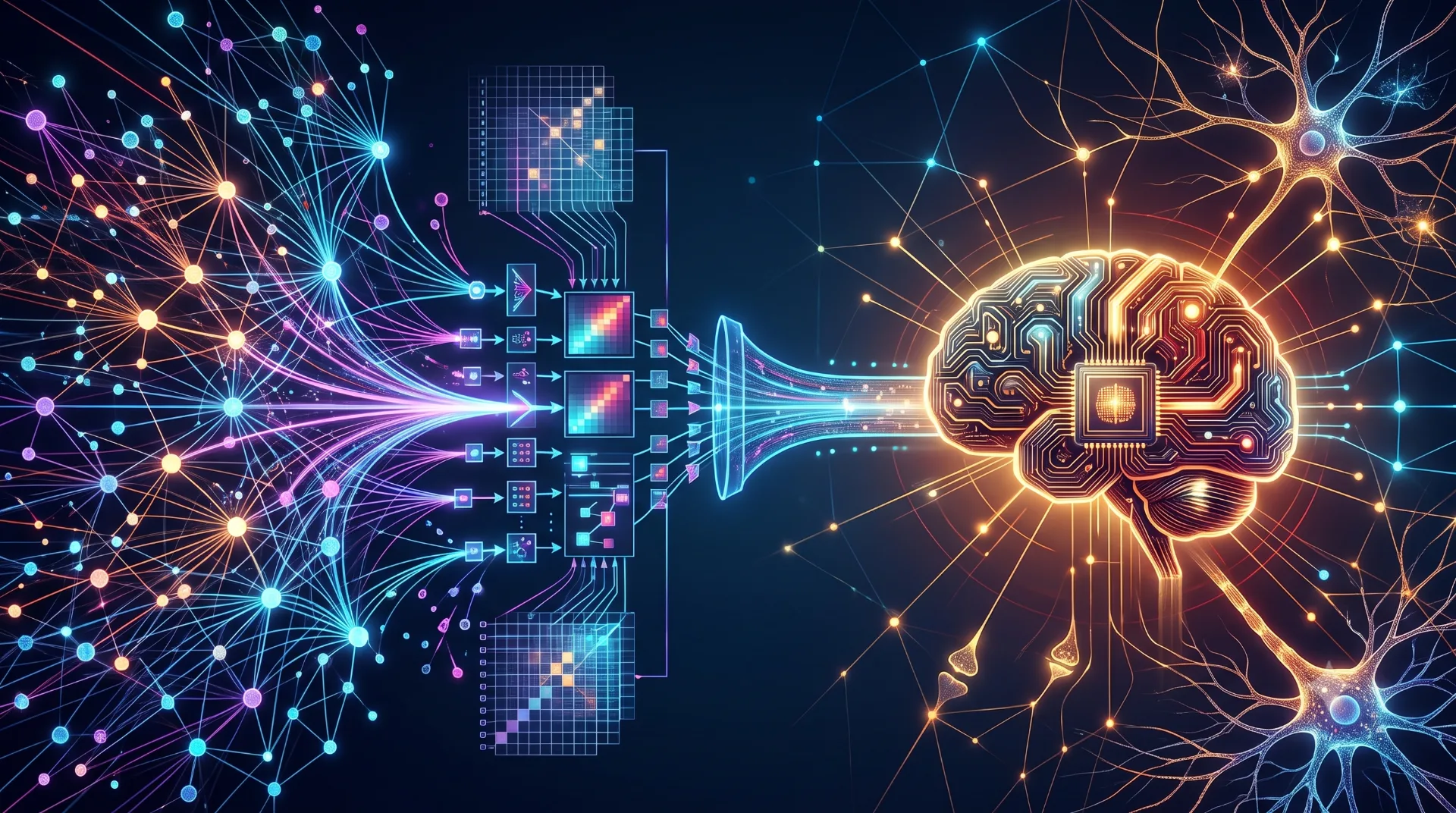
Smart Graph Decisions at Scale: Where TypeSafe Jev Meets LLM Reasoning
High-frequency graph decisions demand speed and consistency, not just clever prompting. TypeSafe Jev delivers that calibrated, System One approach, while LLMs handle the synthesis and open-ended reasoning where they excel. It is a practical division of labor that finally makes GraphRAG scalable. For readers tracking how these models handle structure and long-form generation, the related piece on paragraph structure in token space offers a useful complement.
Unlock Your Codebase: Explore AI-Powered Knowledge Graphs for Seamless Development
Multi-file reasoning has long been the silent killer of AI coding workflows. Graphify, launched in April 2026, tackles this head-on by turning codebases and unstructured data into queryable knowledge graphs. The recent parser upgrades and cross-file resolution improvements show real momentum, though community feedback rightly notes that daily integration still needs polish. We see promising architecture here, and we are watching closely. For more on how AI tools are reshaping developer expectations, check out our piece on navigating AI/ML job requirements.
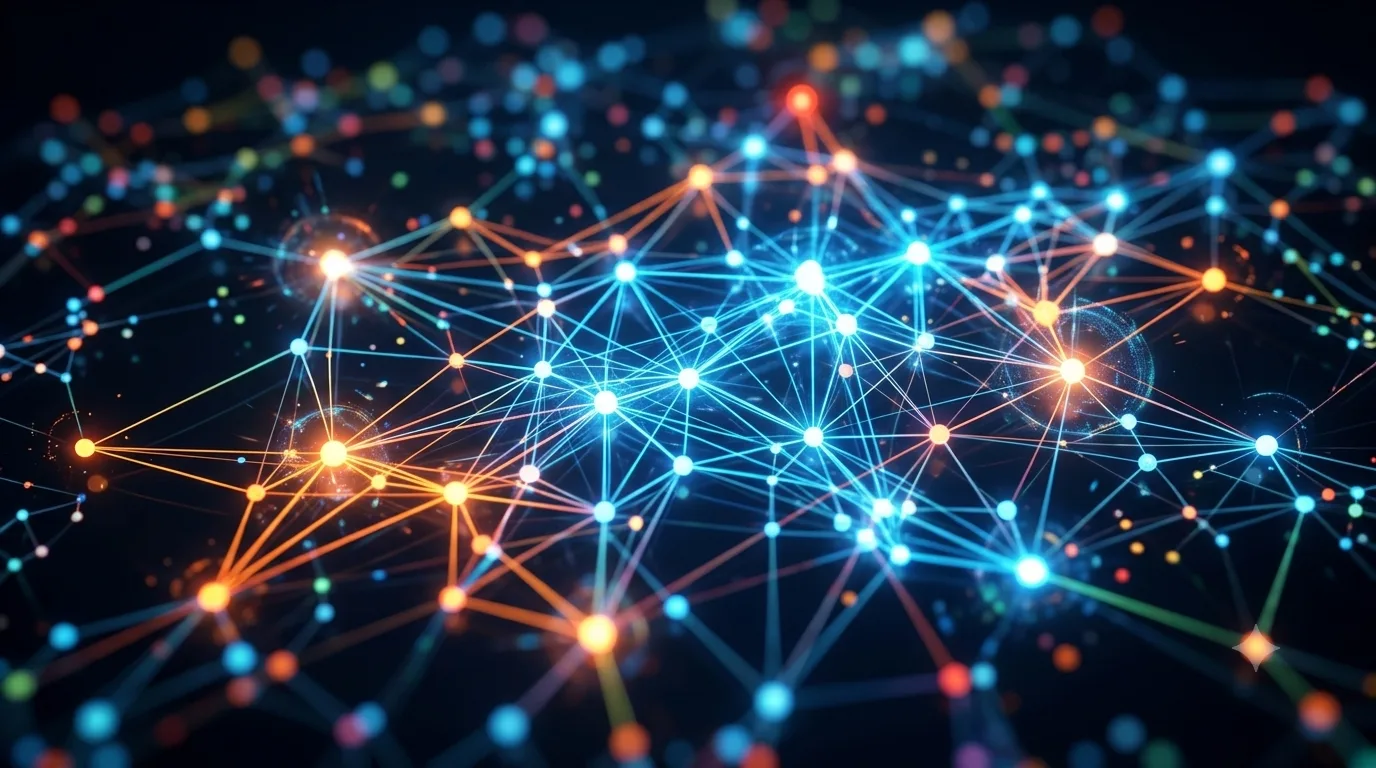
Unlock Advanced RAG: 6 Architectures for Semantic Search & LLMs
Basic graph retrieval only gets you so far. This guide walks through six production-oriented architectures that pair semantic search with knowledge graphs and LLM reasoning, giving practitioners a practical route beyond simple vector lookups. It's a grounded, no-nonsense read for teams ready to move past toy demos. For a deeper look at how LLMs handle structure internally, pair it with our piece on paragraph structure and token space. The ideas complement each other well.

Move beyond basic RAG with four knowledge graph patterns for agentic AI.
Knowledge graphs are moving from the background to the backbone of agentic AI, and Cassie Shum is here to show you why. In her talk, she moves past basic retrieval to outline four practical architecture patterns that bring reasoning into production. It's a grounded, actionable look at building systems that don't just retrieve, but reason. For a broader perspective on how these ideas connect, our piece on bridging retrieval and action offers a useful parallel.
Enterprise AI agents need your business context, not just general knowledge
Enterprise AI agents fail when they lean on general knowledge instead of the messy, specific context that defines how a company actually works. That's the core insight from SAP's Max McPhee, who told VentureBeat's Rob Stretchay at VB Transform 2026 that grounding agents in knowledge graphs and governance is what turns a chatbot into a true collaborator. It's a practical reframe.