local-first
5 stories filed under local-first on Beyond Market Intelligence. The newest of them: “Google's AI Edge Foresight brings offline meeting notes to your device”, “Build a Decentralized Web: Exploring Spritely’s Innovative Architecture”, and “Designing a Smarter Desktop: Beyond Stagnation Toward Agentic UX”. Google's AI Edge Foresight brings offline meeting notes directly to your device, transcribing conversations and answering questions without an internet connection. Spritely's architecture takes on decentralization's hardest problems with a clear-eyed focus on user agency. Acme AI is the next-generation, AI-powered spreadsheet platform built to replace Excel and redefine how analysts, data scientists, and enterprise teams work… The list below is every local-first story on Beyond Market Intelligence, newest first.

Google's AI Edge Foresight brings offline meeting notes to your device
Google's AI Edge Foresight brings offline meeting notes directly to your device, transcribing conversations and answering questions without an internet connection. This is a smart move for anyone who values privacy or works in low-connectivity environments. The on-device approach feels more trustworthy than cloud-dependent alternatives. For a deeper look at how AI models perform under real conditions, see our related piece on benchmarking without leaking data to training. It pairs well with this story's focus on practical, local intelligence.
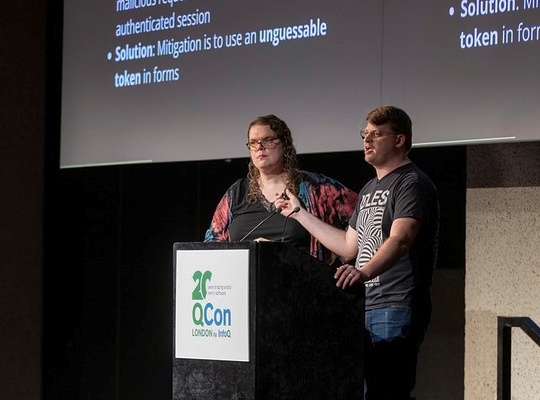
Build a Decentralized Web: Exploring Spritely’s Innovative Architecture
Spritely's architecture takes on decentralization's hardest problems with a clear-eyed focus on user agency. Christine Lemmer-Webber and David Thompson walk through capability-based access control via Goblins, actor-model communication through OCapN, and the trust-building role of petname systems. What stands out is how naturally Scheme, WebAssembly's Hoot, and local-first CRDTs fit together to support peer-to-peer apps without central servers. It's a thoughtful, practical design worth exploring. For broader context on decentralized tooling, our coverage of the Forrester function offers a useful parallel.

Designing a Smarter Desktop: Beyond Stagnation Toward Agentic UX
Desktop operating systems have barely changed in decades, and Scott Jenson, a veteran UX designer behind the Macintosh, Google Maps, and Chrome, wants to know why. In this episode, he challenges the stagnation of the desktop and questions our reliance on mobile and cloud-centric models. His perspective is refreshingly direct, pushing us to rethink what an interface can be. If you're exploring how interfaces evolve, our piece on Canvas UI offers a glimpse into one experimental direction.

Sync Your Frontend to the Server with Declarative Data Bindings
Fetching data on demand is starting to feel like the past. James Arthur makes a compelling case for sync as the next frontier in frontend architecture, and his reasoning is hard to ignore. By extending reactivity to the server with Electric and TanStack DB, he replaces imperative fetching with declarative bindings that just work. The result? Insanely fast, collaborative apps built on your existing stack. It's a practical shift toward local-first development that empowers teams to move with confidence.

Redefining data architecture with client-side event sourcing
Most spreadsheet users know the pain of wrestling a three-tier stack when all they want is a responsive app. Johannes Schickling's transition from Prisma to building Overtone shows a bolder path: client-side event sourcing with SQLite. He's not just tweaking the old model; he's questioning its core assumptions. The trade-offs between event sourcing and CRDTs are sharp, and his hands-on experience makes the abstract tangible. If you're exploring how local-first design can reshape your own workflows, this conversation is a practical starting point.