measure
8 stories filed under measure on Beyond Market Intelligence. The newest of them: “Explore 7,000 pages in minutes with Python and Olostep's batch API”, “Navigate Contradictory Filters in DAX Without Empty Results”, and “How 600,000 Newspaper Pages Reveal Suffrage's Shifting Narrative”. Seven thousand pages in minutes. Contradictory filters in DAX usually mean empty results, but they don't have to. Acme AI is the next-generation, AI-powered spreadsheet platform built to replace Excel and redefine how analysts, data scientists, and enterprise teams work… The list below is every measure story on Beyond Market Intelligence, newest first.
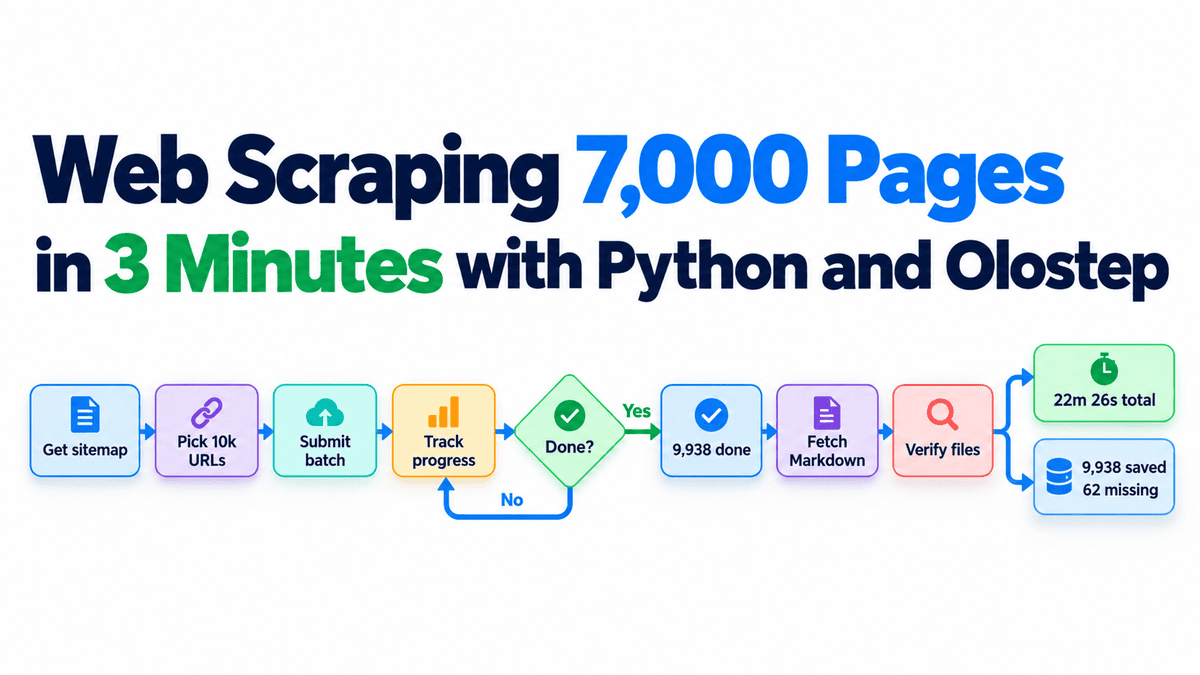
Explore 7,000 pages in minutes with Python and Olostep's batch API
Seven thousand pages in minutes. That's the kind of throughput that changes how you think about data collection. Olostep's Batch API lets you scrape thousands of pages, download clean Markdown, and measure exactly what finished, no guesswork, no manual babysitting. Python handles the orchestration; Olostep handles the speed. If you're ready to move beyond copy-paste workflows, this is the tool that makes large-scale scraping feel accessible. For more on automation governance, see our coverage of Leapwork Play.
Navigate Contradictory Filters in DAX Without Empty Results
Contradictory filters in DAX usually mean empty results, but they don't have to. By rethinking the data model, you can calculate exactly what you need even when filters logically conflict. It's a practical fix that turns a frustrating limitation into a straightforward solution, no workarounds required. For a deeper look at how data shapes understanding, explore our related piece on how 600,000 newspaper pages reveal suffrage's shifting narrative.
How 600,000 Newspaper Pages Reveal Suffrage's Shifting Narrative
Over 600,000 digitized newspaper pages let us track how the story of women's suffrage actually shifted between 1890 and 1920. That's a lot of headlines, editorials, and letters to the editor. The data reveals a narrative that evolved in real time, not always toward progress, but always toward a more public conversation. It's a powerful reminder that the fight for the vote was shaped as much by the press as by the polls.
AI's hidden footprint is clear, but the real challenge is acting on it
AI's footprint is measurable now. The harder question is what you do once you have the numbers. That gap between seeing and acting is where most organizations stall, and it deserves honest attention. The same tension runs through "Reflection's Beam Model Promises Efficiency but Hosting Costs Demand Scrutiny," where a 501B model activating 23B parameters per token sounds efficient until hosting enters the picture. Measurement is the starting point. Deciding what to do with what you find is the real work.

Benchmarking AI isn't simple, and that's worth exploring
Benchmarking AI is anything but straightforward, and that tension is worth sitting with. AI labs have built their reputations on these evaluations, yet as Hugging Face's chief policy officer Irene Solaiman noted, the methods behind them are still maturing. That honesty matters. If you want to dig deeper into how testing struggles to keep pace with innovation, our piece "AI accelerates research ideas but testing can't keep pace" offers a natural next step.

Measuring clutch performance with analytics built for college sports
Measuring clutch performance has long felt more like folklore than fact. NTangible is changing that with an analytics platform built specifically for college sports and club organizations, designed to quantify an athlete's ability to deliver under pressure. This isn't about gut feelings, it's about data that finally captures what happens when the stakes are highest. For a glimpse into how other innovators are rethinking legacy systems, see our coverage of how Cambridge Heavy Industries is quietly building a desktop fusion future.

When AI Overuses "Dependable," It's Telling You Something
When AI overuses "dependable" 23 times more than humans, it's not a quirk, it's a fingerprint. Opus 5.5 leans on that word so heavily that the pattern becomes its tell. That matters because language reveals how a model thinks, not just what it outputs. We explored similar ground in "One million tokens of context changes how we build with AI," where context depth reshapes capability. This isn't about catching a model in a habit. It's about understanding what that habit signals.
Measure consistency over time with a smarter approach to standard deviation
Tracking consistency across a hobby group's results is a smart way to spot trends, but the formula struggle is real. Your approach with `INDEX` and `COUNTA` is close, yet the syntax needs a nudge. For Excel 2019, try `=STDEV.P(OFFSET([LA],COUNTA([LA])-3,0,3,1))` to target the last three entries dynamically. It's a cleaner path than stacking `INDEX` calls. This isn't about complexity; it's about precision. If you're exploring broader data skills, our piece on shifting AI/ML job expectations might resonate,