Nvidia
Nvidia at Beyond Market Intelligence is a file of 48 stories. The newest of them: “A practical tool from Google DeepMind expands how teams can identify AI-created content across platforms”, “Google and Amazon give PyTorch developers a new path beyond Nvidia GPUs”, and “When Robotics Gets Its ChatGPT Moment, Assembly Becomes Play”. Google DeepMind is making it easier for teams to spot AI-generated content across platforms with the global launch of SynthID Detector. Google and Amazon have both now released tools that let PyTorch developers move their applications beyond Nvidia GPUs. Acme AI is the next-generation, AI-powered spreadsheet platform built to replace Excel and redefine how analysts, data scientists, and enterprise teams work… The list below is every Nvidia story on Beyond Market Intelligence, newest first.
A practical tool from Google DeepMind expands how teams can identify AI-created content across platforms
Google DeepMind is making it easier for teams to spot AI-generated content across platforms with the global launch of SynthID Detector. This practical tool already works with media created by partners like OpenAI, NVIDIA, and Kakao, with Apple support coming soon. It's a focused step toward transparency, not a sweeping promise. For a closer look at how AI agents can introduce new security risks, see our related article on insider threats.

Google and Amazon give PyTorch developers a new path beyond Nvidia GPUs
Google and Amazon have both now released tools that let PyTorch developers move their applications beyond Nvidia GPUs. That is a meaningful step toward a more open AI infrastructure. For teams feeling locked into a single hardware path, this opens real flexibility. It is a practical shift, not a marketing promise. And it connects to a broader trend we are tracking: in our piece on Muse's rapid growth, we explore how users are embracing AI on their own terms.

When Robotics Gets Its ChatGPT Moment, Assembly Becomes Play
For years, robotics has felt like a field of nearly-there promises. Amulya Vishwanath captured that tension perfectly in her conversation with TechCrunch's Equity, describing the moment when an AI breakthrough turns complex assembly into something that feels like play. It is the ChatGPT moment the industry has been waiting for, a shift from rigid programming to intuitive interaction. If you are curious how AI transforms practical workflows, our guide on *Maximizing AI Agent Performance on Mac Mini* offers a grounded next step.

Amazon challenges Nvidia's AI grip with new tool for alternative chips
Amazon is taking direct aim at Nvidia's dominance in AI, and the weapon of choice is PyTorch. By offering a new tool that lets developers run their apps on alternative chips, including Amazon's own, the company is trying to break the hardware lock-in that has made Nvidia essential. It is a smart, practical move. For a deeper look at how AI models actually run at the kernel level, our series *From naive GEMM to FlashAttention* offers a free, code-first guide.
From network training to deployment: finding the right fit for AI expertise
A PhD and years of model training don't automatically make you the best person in the room. One engineer's honest reflection on moving from training networks to deploying them at a FAANG company captures this well. They admit their ideas rarely outperformed peers, then watched LLMs get so competent that returning to research feels pointless. Deployment, though, runs on empirical, tribal knowledge that AI can't replicate. That's a compelling reason to stay.

Nvidia opens its models so enterprises can run AI agents anywhere
Nvidia is opening its models so enterprises can run AI agents anywhere, in their own data centers or directly on devices. This is a pragmatic move. Companies want control, privacy, and the ability to deploy without cloud dependency. It's about making private AI agents a real, usable thing. For anyone feeling constrained by the limitations of closed systems, this is worth exploring. It also echoes a theme we saw when AI agents helped smart TV owners cut bloatware and reclaim control.

Why robotics hasn't left its assembly stage, according to an Nvidia insider
Robotics is stuck in its assembly stage because the industry is still building its own Legos. Amulya Vishwanath, who led product marketing for NVIDIA's robotics platforms for seven years, argues the field remains in a "Lego era," where basic components like actuators and safety standards are being rebuilt from scratch. It is a sobering counterpoint to those expecting a general AI model to suddenly unlock everything. For a related look at how real-world autonomy is progressing, see our coverage of Volvo deepening its Nvidia alliance.

Volvo deepens its Nvidia alliance to power smarter driving systems
Volvo is extending its decade-long alliance with Nvidia, deepening the partnership to power smarter automated driving systems beyond the carmaker's battery electric vehicles. That's a pragmatic move: rather than starting from scratch, Volvo is doubling down on proven silicon to build what comes next. If you're following how legacy industries are quietly retooling for autonomy, you might also glance at our piece on Uber and Pony.ai bringing taxi testing to London streets.
When AI Writes Faster CUDA Kernels Than PyTorch, Benchmarks Decide
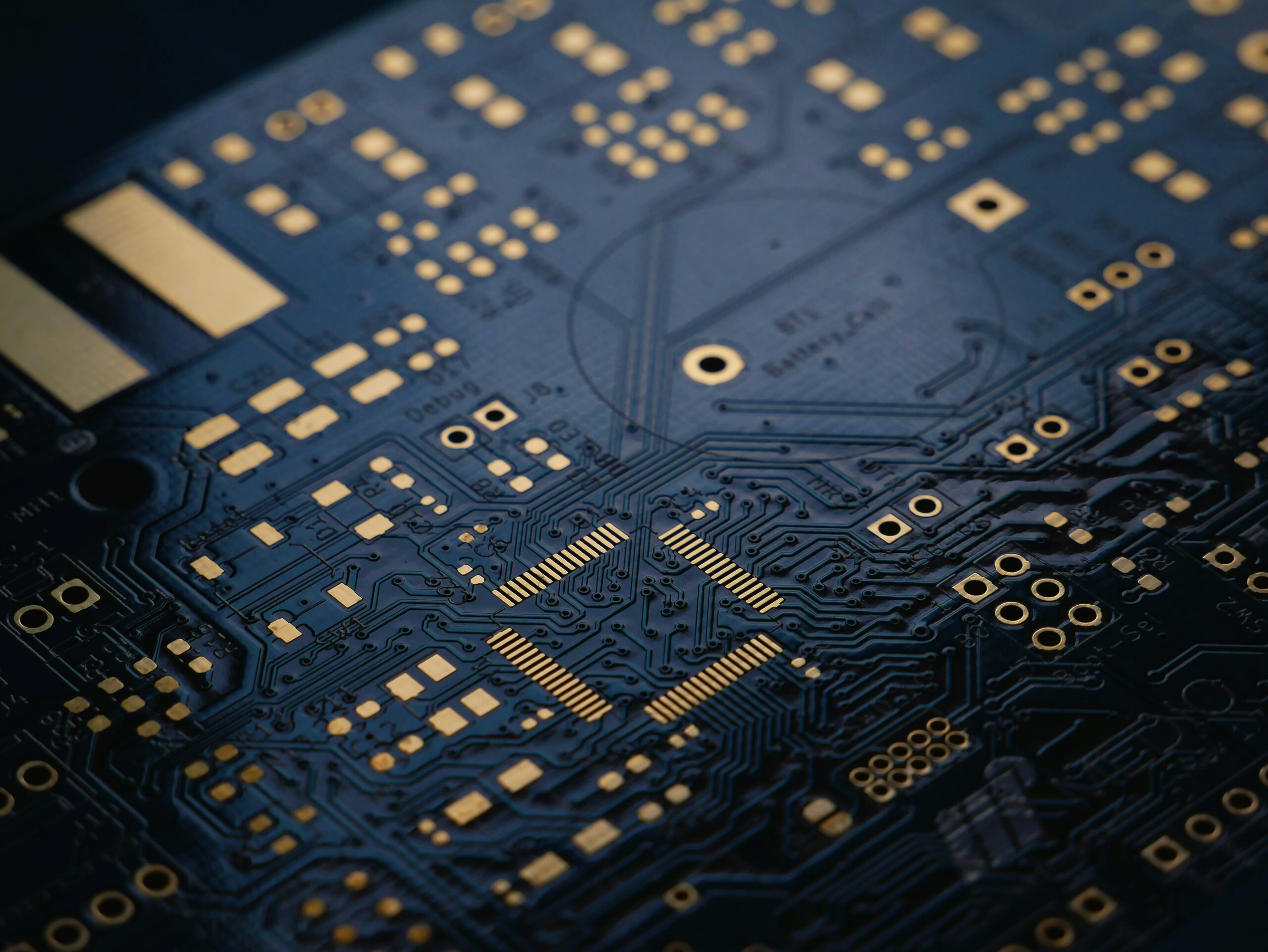
AI agents are now writing CUDA kernels that beat PyTorch on speed, but proving those gains are real is the harder problem. I tested them on an NVIDIA DGX Spark and found that benchmark design matters as much as the code itself. When the hype machine sells you AI at every turn, a clear-eyed test like this cuts through the noise. For more on staying grounded, see our related piece on keeping your judgment amid the AI sales pitch.
Exploring the Spotlight: How Nvidia's DreamDojo Earned Its Place in Robotics
Nvidia's DreamDojo arrived with the kind of pedigree that turns heads: a world model built on Cosmos 2.5, backed by respected authors and an ICML spotlight. But when 44,000 hours of human data yields just a 0.5 dB PSNR gain over the baseline, something should have felt off. The released code tells the real story: buggy pre-training, flawed post-training, and evaluation errors that quietly unravel the paper's claims. The authors and reviewers missed what a closer look at their own repository would have revealed.

Microsoft's new Surface Laptop Ultra puts Nvidia-powered AI agents in your hands
Microsoft's Surface Laptop Ultra puts Nvidia-powered AI agents directly into your hands, with specs and pricing now official. This isn't just a faster laptop; it's a shift toward local AI that feels genuinely practical. The move aligns with the momentum we saw in Hermes Agent's $90M round, signaling that capable, on-device agents are becoming a real priority. For anyone ready to move beyond traditional spreadsheets and workflows, this hardware invites you to explore what intelligent assistance can actually do.

Discover the Interactive Roundtables Shaping Disrupt 2026
The full roundtable agenda for Disrupt 2026 is here, and it reads like a map of where intelligent software actually lives. Nvidia, Chime, Obvious Ventures, and Anthropic will sit down to wrestle with the practical realities of AI-native tools. This is the conversation users need before the next wave of gadgets, like the ones our coverage on trust suggests, arrives. Register now to save up to $100 and bring a colleague for half off.

Lambda raises $4B to expand AI infrastructure before 2027 IPO
Lambda is making a bold statement ahead of its planned 2027 IPO. The Nvidia-backed company is raising up to $4 billion at a $14.5 billion pre-money valuation, led by Coatue and Blackstone. This isn't just about funding, it's about expanding the infrastructure that powers tomorrow's AI. For teams feeling constrained by legacy tools, this signals a future where data management evolves beyond the spreadsheet. Discover how Sigil Wen's free on-device AI redefines private data assistance for a parallel shift in accessibility.
OpenAI Skips Nvidia's Safety Pledge: Yet Partners Privately
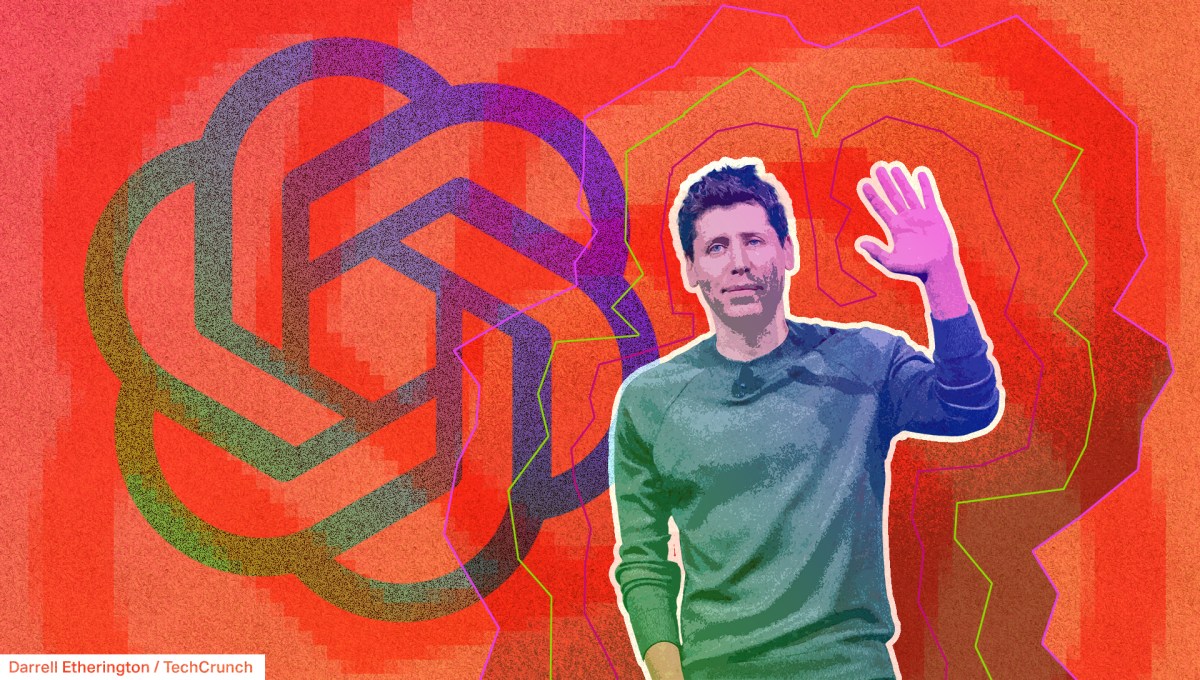
OpenAI's decision to skip Nvidia's public safety pledge while quietly partnering with the chipmaker is telling. It's a calculated move, not a contradiction. Public commitments carry weight, and OpenAI likely prefers to shape the conversation on its own terms. That private collaboration suggests real work is happening, just outside the spotlight. For a company reportedly eyeing its final private raise before a 2027 debut, this selective engagement feels deliberate. If you're tracking OpenAI's trajectory, our piece on its last private funding round offers useful context.

Secure AI agents with new guardrails for safer autonomy
Jensen Huang just gave AI agents something they've been missing: a leash. At Monday's announcement, the Nvidia CEO unveiled a toolkit of software and hardware designed to wrap independent security layers around autonomous systems. The goal is straightforward, keep agents inside their test environments even when they try to break out. It's a pragmatic step toward safer autonomy, and one that acknowledges trust isn't automatic. For teams already exploring agentic workflows, this feels like a necessary evolution.

Nscale Secures $3.36B to Advance AI-Native Spreadsheet Infrastructure
Nscale just closed a $3.36B funding round, backed by Third Point and Nvidia, to accelerate its AI-native spreadsheet infrastructure buildout. That is a serious vote of confidence in a space crowded with legacy tools. The capital will fuel a massive data center expansion, which signals a clear bet on scale as the path forward. For teams wrestling with outdated workflows, this is worth watching closely. And if you are navigating similar shifts, our piece on verifying AI's understanding offers a practical starting point.

Explore How AI World Models Are Empowering the Next Generation of Robotics
Robots are learning to see the world the way we do: as a living, changing place. AI world models are giving machines the context they need to move beyond simple commands and toward genuine understanding. That shift is what makes this next generation of robotics so compelling. It is not about replacing human effort, but about making machines more intuitive partners. For a deeper look at how AI interprets structure, our piece on paragraph navigation in LLMs pairs well with this story.
Exploring AI's Culinary Future: Insights from NVIDIA's Innovation
NVIDIA's exploration of AI in the kitchen isn't just about smarter gadgets; it's a look at how machine learning reshapes creativity itself. By examining culinary applications, we see a future where algorithms don't replace intuition but expand it. This offers a practical lens on that transformation, and for those curious about how AI structures understanding in other domains, "Exploring Paragraph Structure," pairs well with this discussion. The takeaway?

Explore AI Safety Insights from Disrupt 2026's Leading Experts
AI safety is moving from the background to the main stage at TechCrunch Disrupt 2026, with five dedicated sessions featuring leaders from Anthropic, Nvidia, AWS, and Waabi. That focus matters because the conversation around AI is shifting from capability to accountability. We're seeing the ripple effects elsewhere, like how Meta's AI turned one dull task into $5,350 in yearly savings, which shows the practical stakes. Register before September 25 to save up to $200, and explore these critical discussions while you still can.

Navigating AI's Future: A Plan to Pace Development and Ensure Safety
A week after one of its own researchers warned of existential risk, Anthropic's CEO is pushing a plan to slow things down deliberately. Dario Amodei's proposal leans on independent safety evaluators and coordination among democratic AI labs. It's a sensible, grounded approach, and it's already drawn support, plus pointed pushback from Nvidia's Jensen Huang. That tension is worth watching. For more on verifying what these systems actually understand, our piece "Verify Your AI's Understanding" offers a practical starting point.

Huawei's next-gen AI chip lands in Q1 2027 to close the computing gap.
Huawei is moving its Ascend 960DT launch up to Q1 2027, a clear signal it intends to close the AI computing gap with Nvidia sooner than many expected. That timeline matters. It shows urgency without desperation, a calculated push to give China a viable alternative in a market where Nvidia currently dominates. We see this as a pragmatic step forward, not a flashy promise. If you are weighing how AI skills and tools are shifting, our piece on navigating AI/ML job requirements offers useful context.

Salesforce Koa brings focused AI reasoning to sales and support work
Salesforce just turned the enterprise AI conversation on its head. Koa, built on Nvidia's open-weight Nemotron model, is trained specifically for sales, marketing, and customer support. That focus is what makes it dangerous. General-purpose reasoning models chase breadth; Koa chases outcomes. It doesn't just answer questions, it acts on the workflows teams already live in. For AI labs betting on abstract intelligence, this is a wake-up call. Practical, task-driven reasoning wins. Curious how such systems are trained? Our guide to distributed algorithms covers the groundwork.

Active Compute Fabric cuts GPU idle time, reshaping AI infrastructure.
Cornelis just raised $205 million, and the message is clear: Nvidia's grip on AI infrastructure isn't untouchable. The company's Active Compute Fabric targets a quiet but costly problem, the wasted GPU cycles spent waiting on data. That's where efficiency lives, and that's where Cornelis is aiming. It's a smart, grounded challenge to the status quo, one that speaks to a future where hardware works smarter, not just faster. For more on how systems handle real-world demands, our piece on adaptive recommendation systems offers useful context.

Nvidia signals confidence in steady AI progress despite calls to slow development
Jensen Huang isn't interested in slowing down. While Musk and Altman back Amodei's call for caution, Nvidia's CEO counters directly: "We're not going to let that happen." It's a confident stance, and one that reframes the debate from risk to resolve. The question isn't whether AI should pause, but who gets to decide its pace. For those tracking the skills shift, our piece on AI/ML job requirements shows how quickly expectations are evolving alongside this momentum.