open-weight model
open-weight model at Beyond Market Intelligence is a file of 6 stories. The newest of them: “Hydrogen-1.0 matches GPT-6 Astra on research with a fraction of the cost”, “Reflection's Beam Model Promises Efficiency but Hosting Costs Demand Scrutiny”, and “EmbeddingGemma 2 Now Processes Code, Images, Video, and Audio”. Hydrogen-1.0 matches GPT-6 Astra on research tasks while cutting costs by roughly 72%. Reflection's Beam activates just 23B of its 501B parameters per token, which sounds like remarkable efficiency until you consider what hosting the full model actually demands. Acme AI is the next-generation, AI-powered spreadsheet platform built to replace Excel and redefine how analysts, data scientists, and enterprise teams work… The list below is every open-weight model story on Beyond Market Intelligence, newest first.

Hydrogen-1.0 matches GPT-6 Astra on research with a fraction of the cost
Hydrogen-1.0 matches GPT-6 Astra on research tasks while cutting costs by roughly 72%. That is a practical win for computational chemistry and materials science. The Deep Principle team trained it on scientific workflows, lab records, failed attempts, discovery trajectories, so the model learns how decisions connect. Open-weight and accessible, it invites real scrutiny. For anyone curious about how frontier models handle structured reasoning, the related article on weight-space programming offers a deeper look.
Reflection's Beam Model Promises Efficiency but Hosting Costs Demand Scrutiny
Reflection's Beam activates just 23B of its 501B parameters per token, which sounds like remarkable efficiency until you consider what hosting the full model actually demands. That gap between benchmark performance and real infrastructure cost deserves a closer look before anyone commits. If you are weighing where enterprise AI architectures are heading, "Six Architectures for Smarter Enterprise AI Beyond Basic RAG" offers useful grounding on building cost-efficient context for agents. Efficiency claims are easy to make and harder to host.
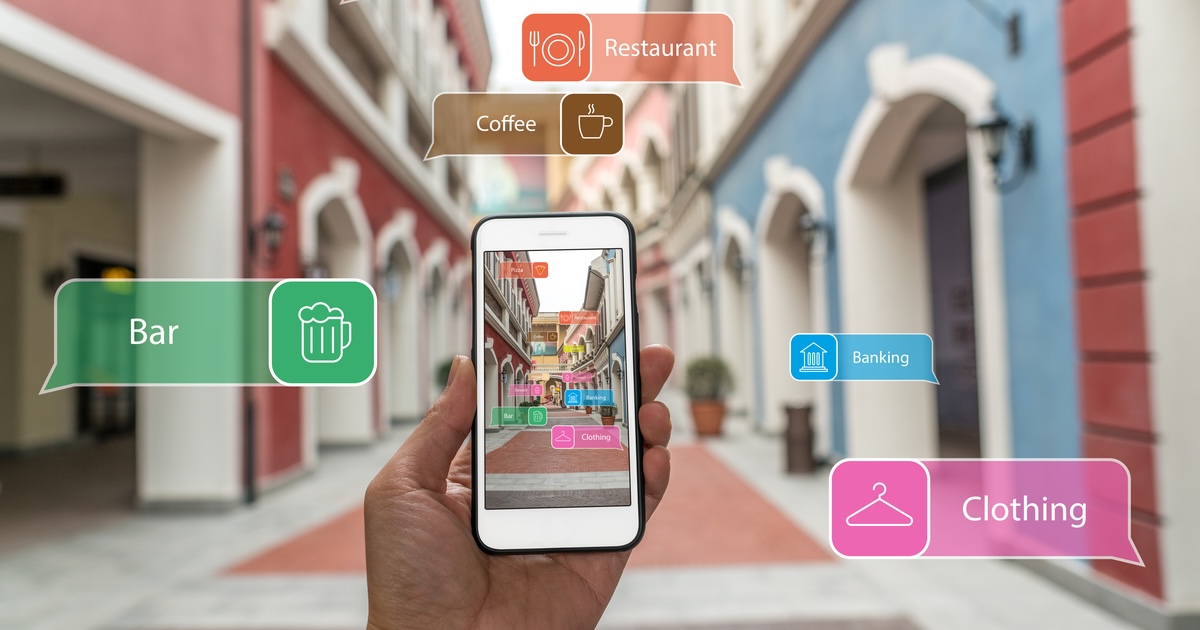
EmbeddingGemma 2 Now Processes Code, Images, Video, and Audio
EmbeddingGemma 2 now understands more than just text: code, images, video, and audio are all in its grasp. Built on Gemma 4 and released under Apache 2.0, this compact model from Google is purpose-built for efficient semantic search and on-device RAG. It is a focused, practical tool that prioritizes performance without demanding massive resources. For those exploring how AI handles locked-down code, our piece on "When Closed Code Won't Open, Can AI Do the Heavy Lifting" offers a fitting companion read.
Explore how Kimi K3 makes powerful AI more accessible and affordable.
A 2.8-trillion-parameter model that only activates a fraction of its weights per token sounds like a paradox, but that's exactly what makes Kimi K3 interesting. Moonshot AI built it with a Mixture-of-Experts architecture to keep inference costs down while pushing coding and agentic performance. It's a practical alternative to proprietary systems, especially when you weigh open weights against near-frontier capability. We think that trade-off is worth exploring.

Meta opens AI access but keeps its most powerful model locked
Meta's new open-weight Glimmer model is a deliberate counterpunch to the idea that AI's future belongs behind closed doors. Zuckerberg's letter makes the case for accessibility, yet the contrast is stark: Glimmer is free to download, while the more capable Spark stays locked in Meta's APIs. That split raises a fair question about whether "for everyone" truly means what it sounds like.

Meta empowers local AI agents with a lightweight 30B model.
Meta AI Research has released Muse Glimmer, a 30-billion-parameter open-weight model under Apache 2.0, built for local execution on consumer GPUs. That is a meaningful step for anyone who wants autonomous agents without cloud dependency. The multi-stage training and multimodal support make complex coding and automation tasks more approachable. We are watching this space closely, especially after our piece on questioning AI clones and the limits of trust. Explore how this model fits into your own workflows.