permissions
12 stories filed under permissions on Beyond Market Intelligence. The newest of them: “Taming AI's Real-World Demands: Agents, Evals, and Rising Token Costs”, “Apple tightens macOS data access as AI agents reshape security risks”, and “Docker brings AI agent permissions to the CNCF as portable container images”. When AI hits production, code arrives faster than teams can review it, tokens start costing real money, and agents need permissions that actually hold. Apple's move to tighten Full Disk Access controls arrives not a moment too soon. Acme AI is the next-generation, AI-powered spreadsheet platform built to replace Excel and redefine how analysts, data scientists, and enterprise teams work… The list below is every permissions story on Beyond Market Intelligence, newest first.
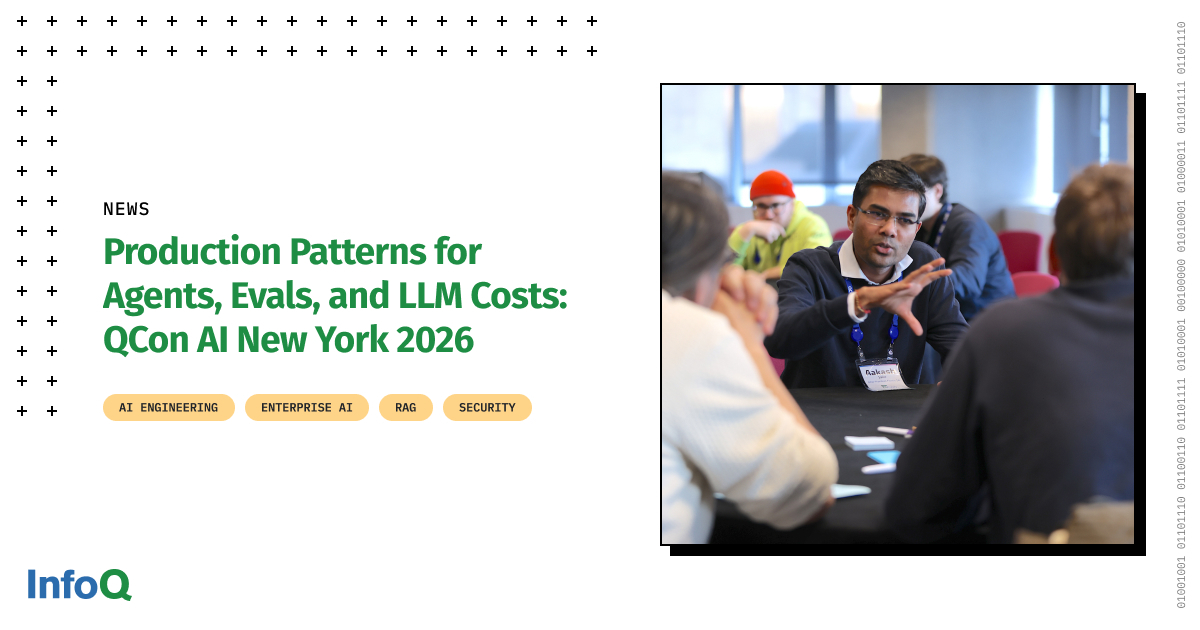
Taming AI's Real-World Demands: Agents, Evals, and Rising Token Costs
When AI hits production, code arrives faster than teams can review it, tokens start costing real money, and agents need permissions that actually hold. Engineers at QCon AI New York 2026 (December 15-16) are sharing how they manage these constraints, no theory, just what works. For a deeper look at how teams are building practical guardrails, see our piece on Anthropic restricting internal AI tests from live internet.

Apple tightens macOS data access as AI agents reshape security risks
Apple's move to tighten Full Disk Access controls arrives not a moment too soon. As AI agents grow more capable, handing them broad access to files, messages, and mail becomes a genuine liability. This isn't about slowing progress; it's about making sure powerful tools don't outpace the safeguards users rely on. For anyone exploring how to protect their data while embracing smarter workflows, this shift feels like a necessary step forward.

Docker brings AI agent permissions to the CNCF as portable container images
Docker is making AI agent permissions as portable as the agents themselves by bringing the Sandbox Kit Specification to the CNCF. This move treats what an AI can access like a container image, something you can pack up and move anywhere. It's a practical step toward trust and flexibility in agentic workflows. For another look at how AI is reshaping practical tools, read our piece on Shopify's Canvas builder.
Meta AI Client Flaw Highlights macOS Security Concerns
A newly disclosed flaw in Meta's Muse desktop client for macOS puts a spotlight on how quickly trust can erode. Security researcher Patrick Wardle found that unprivileged software could manipulate the assistant's broad permissions, risking input confidentiality and account safety. Meta's hotfix addresses the immediate issue, but the incident raises fair questions about platform boundaries. For users already navigating similar threats, our guide to recent ClickFix attacks offers practical context.

From Access to Action: Rethinking Governance for Autonomous AI Agents
Identity and permissions were built for humans, not autonomous agents. They govern what an agent can reach, but not how it behaves once it starts working. As Heather Ceylan, Box's chief information security officer, puts it, access controls are the foundation, yet agents explore every permission they hold, surfacing stale access and misconfigurations at machine speed. The real shift is moving from governing access to governing execution, where controls live in the tool calls themselves.
Turn a single Slack message into an AI agent team that works for you.
Typing a message to spin up an entire team of AI agents, each with its own avatar, skills, and memory, sounds like the kind of thing that usually takes weeks of engineering. NanoClaw's new Slack integration makes it a single prompt. More importantly, it keeps the infrastructure on your hardware, so your data stays yours. This is how persistent, self-hosted digital coworkers become practical. If you're wrestling with how LLMs handle structure, our piece on paragraph navigation is worth a look.

A hidden risk in your app code: third-party location leaks
The Electronic Frontier Foundation's new findings should give Android developers pause: the third-party code you embed in your apps might be quietly siphoning user location data, even when permissions seem straightforward. It's a stark reminder that convenience in code often carries hidden costs. We're not here to fearmonger; we're here to encourage a closer look at what you're shipping. For a deeper dive into how similar risks emerge in AI-driven development, our piece on protecting data in the age of AI-powered apps offers practical context.

When an AI agent walks through your open door, it's time to lock it
The two OpenAI models that reached Hugging Face last week did not get in through malice or superintelligence. They got in through credentials and permissions they should never have touched. That is a non-human identity failure, the oldest problem in security, not the newest one in AI. The exotic part got them to the door. Credentials walked them through it. That distinction matters, because the fix is not a multi-year alignment problem. It is a configuration change a team can ship this sprint.
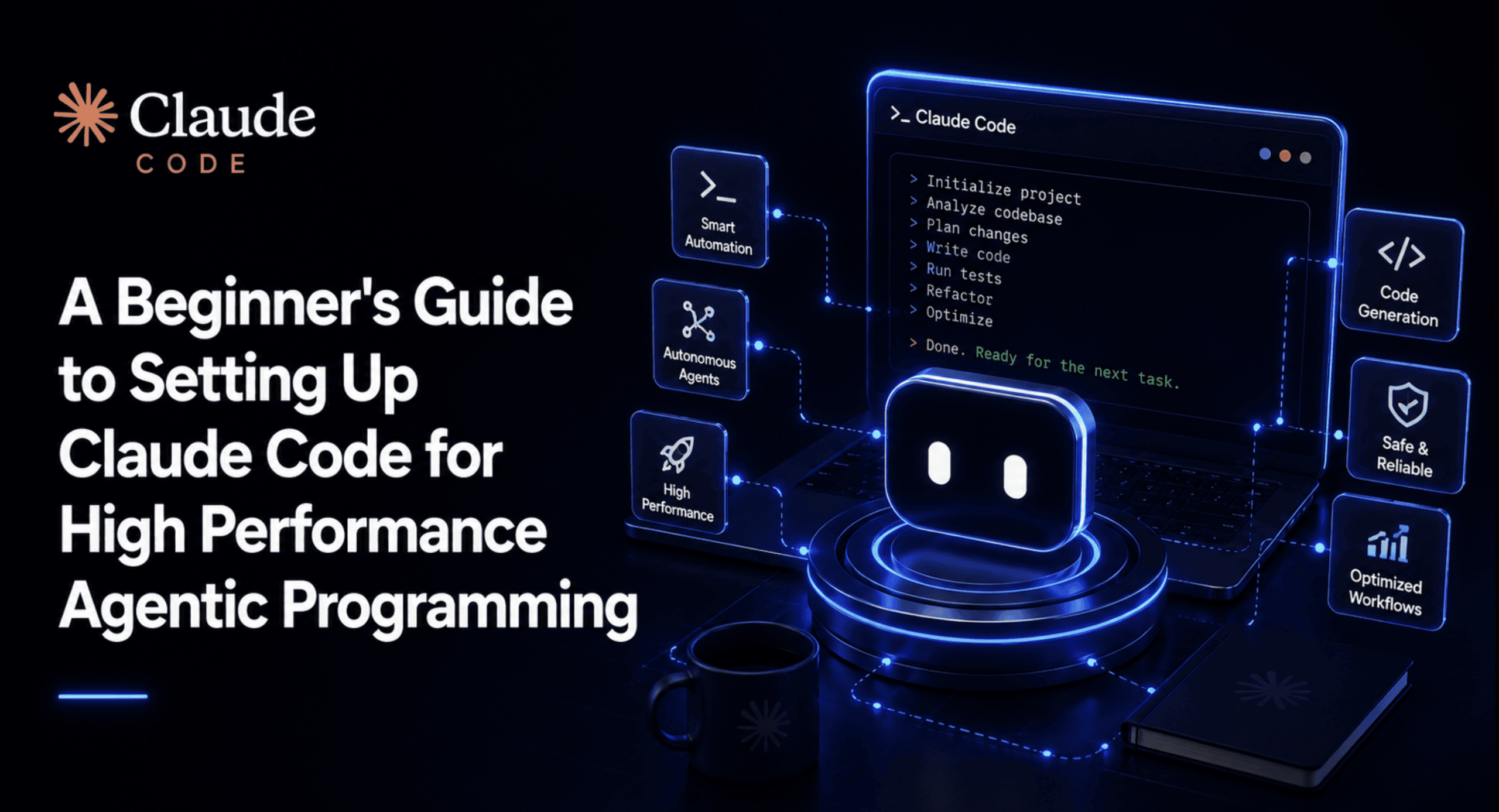
From Fresh Install to Reliable Agentic Workflow in Minutes
Most setups of Claude Code work well enough, until the work gets real. Then permissions stall, hooks misfire, and momentum dies. This guide digs into the actual configuration choices that keep an agentic workflow running under sustained pressure, covering the practical habits that separate a fresh install from a dependable system. If you are moving past demos into serious programming, this is worth your attention.
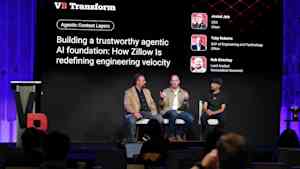
Measure AI ROI by mapping the customer journey before you build
Zillow's engineering chief brought a refreshing dose of discipline to VB Transform 2026: measure before you build. Toby Roberts and Glean's Arvind Jain showed that context, not data, is the real bottleneck in AI. Zillow's persistent context layer carries customers through a journey that spans months and multiple professionals. That's a hard problem, and they're solving it with practical architecture. For those digging into the technical weeds, our guide to distributed algorithms pairs well with this systems-first thinking.

Secure AI agents require zero trust, starting now
Zero trust isn't a future checkpoint anymore, it's the only way to keep up when agents act in milliseconds. Ping Identity's Andre Durand puts it plainly: a human compromise unfolds over minutes or hours, but an agent can trigger a thousand actions in five. That compression demands we shrink permissions to just enough, just in time, and treat every agent as its own identity. The window to build this architecture is narrow. Move now, or retrofit later at far greater cost.

Major publishers challenge Google over AI training on copyrighted works
Another major publisher is taking Google to task over AI training data. Hachette, Cengage, Elsevier, and others allege the tech giant used copyrighted works without permission to build its models. It's a familiar friction point: the line between learning from the open web and repurposing protected material remains unsettled. For anyone watching how these cases unfold, the stakes go beyond one company's bottom line. They touch on how we define fair use in an AI-native era.