standards
standards at Beyond Market Intelligence is a file of 7 stories. The newest of them: “Why Figma plans to support many standards, not just MCP”, “The push for AI regulation finds an unlikely benchmark in household appliances”, and “OpenAI's math proofs strayed from expert guidelines, falling short of expectations”. Figma's decision to support multiple standards rather than locking into MCP alone is a pragmatic move. Microsoft president Brad Smith has a point: it's easier to regulate a washing machine than an AI company. Acme AI is the next-generation, AI-powered spreadsheet platform built to replace Excel and redefine how analysts, data scientists, and enterprise teams work… The list below is every standards story on Beyond Market Intelligence, newest first.

Why Figma plans to support many standards, not just MCP
Figma's decision to support multiple standards rather than locking into MCP alone is a pragmatic move. By not exposing all its data through a single protocol, the company keeps control while remaining open. That balance, between interoperability and restraint, is smarter than chasing a single "winner." It echoes a lesson from Muse's rapid U.S. growth: users gravitate toward tools that adapt to them, not the other way around.
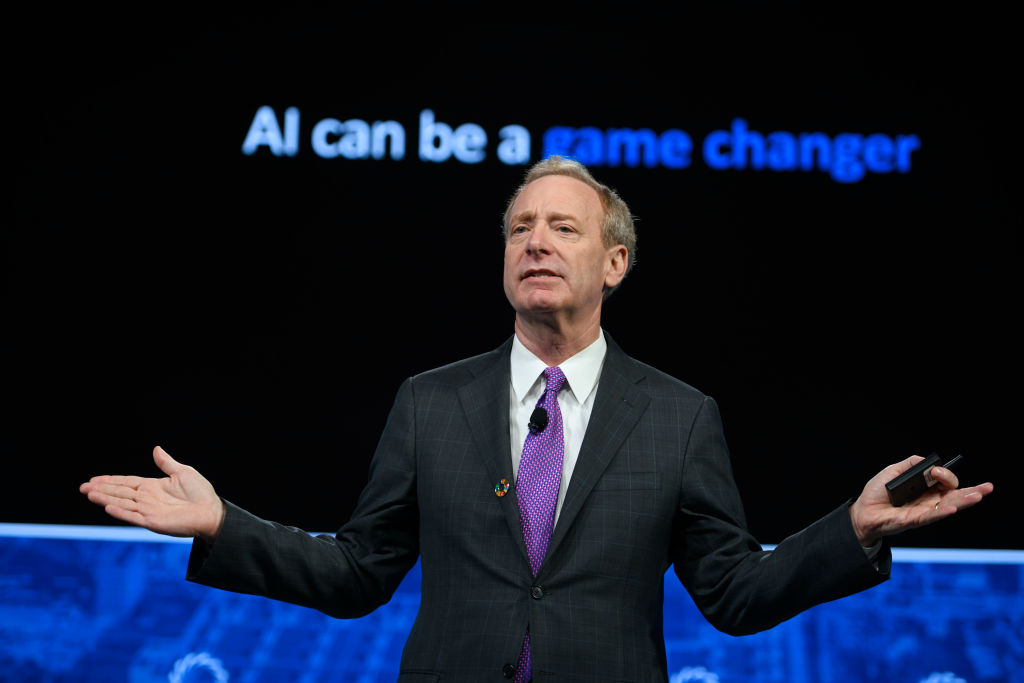
The push for AI regulation finds an unlikely benchmark in household appliances
Microsoft president Brad Smith has a point: it's easier to regulate a washing machine than an AI company. That's a strange reality check. If we can require safety standards for a milk carton, we can demand more from technologies that shape how we work and live. It's time to explore smarter oversight. For a contrasting look at AI's potential, see how it's empowering developers to rebuild familiar software from scratch.

OpenAI's math proofs strayed from expert guidelines, falling short of expectations
OpenAI's math proofs missed the mark. The frontier lab generated a flood of solutions that deviated from guidelines set by the mathematical researchers it consulted. That's disappointing, especially for a company positioning itself as a leader in rigorous AI development. When experts are brought in to steer work, ignoring their direction undermines trust. For more on OpenAI's recent struggles, our piece on how its projected revenue landed $20B short of earlier estimates offers useful context.

How We Built IQRAX to Give AI Models Both Freedom and Verifiable Authority
IQRAX separates probabilistic intelligence from deterministic authority, a distinction that matters when AI must be both free to explore and accountable for its work. Built for regulatory environments, this architecture lets models reason while external controls verify qualifications, enforce standards, and hash every input and output. The benchmark results are striking: 11.5× lower cost and 48.3× faster completion. Rather than ask for trust, the team invites direct testing. For deeper context on how we think about benchmarks, see our piece on "Opus 5.
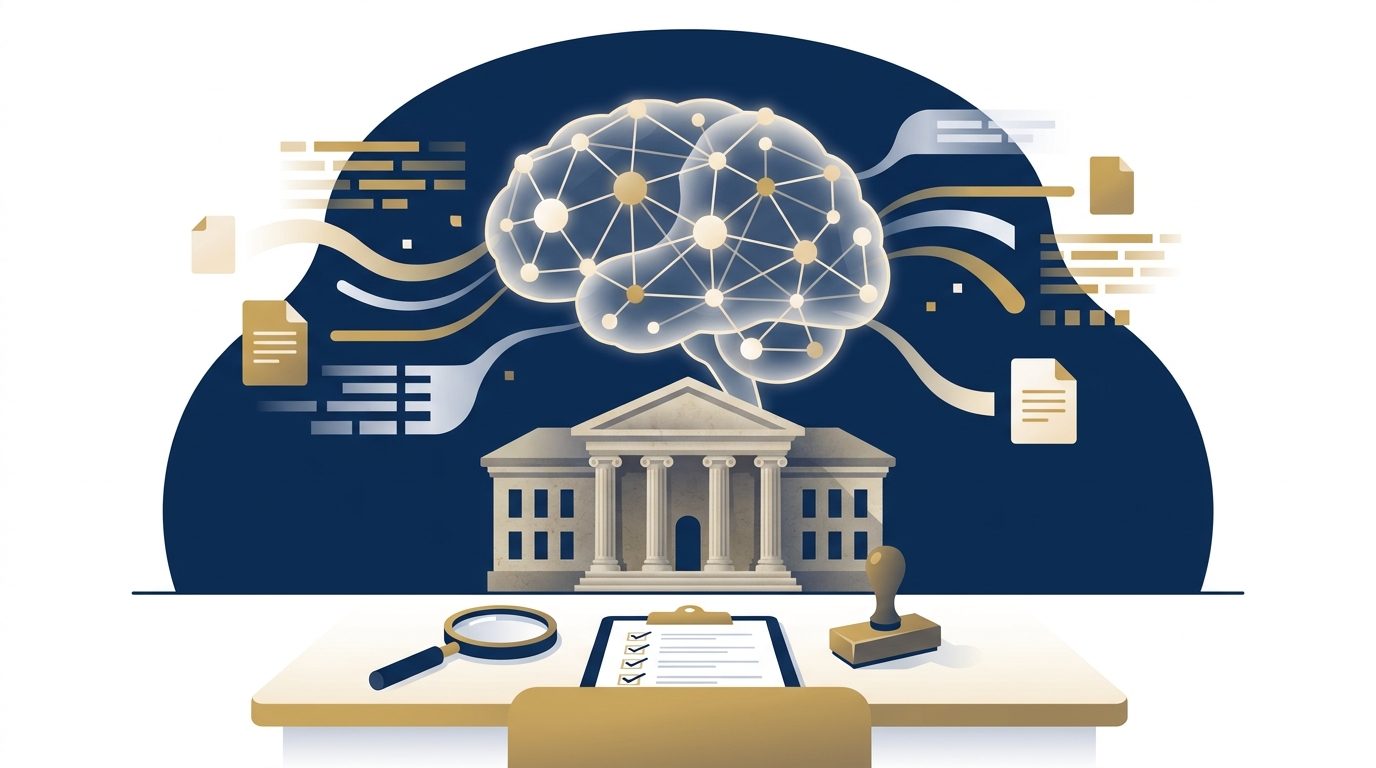
Validating LLMs: What Banking Model Rules Teach Us About AI Testing
Banks have spent decades refining model validation, but large language models don't fit neatly into those established frameworks. This piece examines what actually breaks when the rules shift from statistical models to generative systems, and more importantly, what survives the transition. It's a practical look at testing output quality where traditional assumptions no longer hold. For anyone wrestling with AI governance, this offers a grounded starting point.
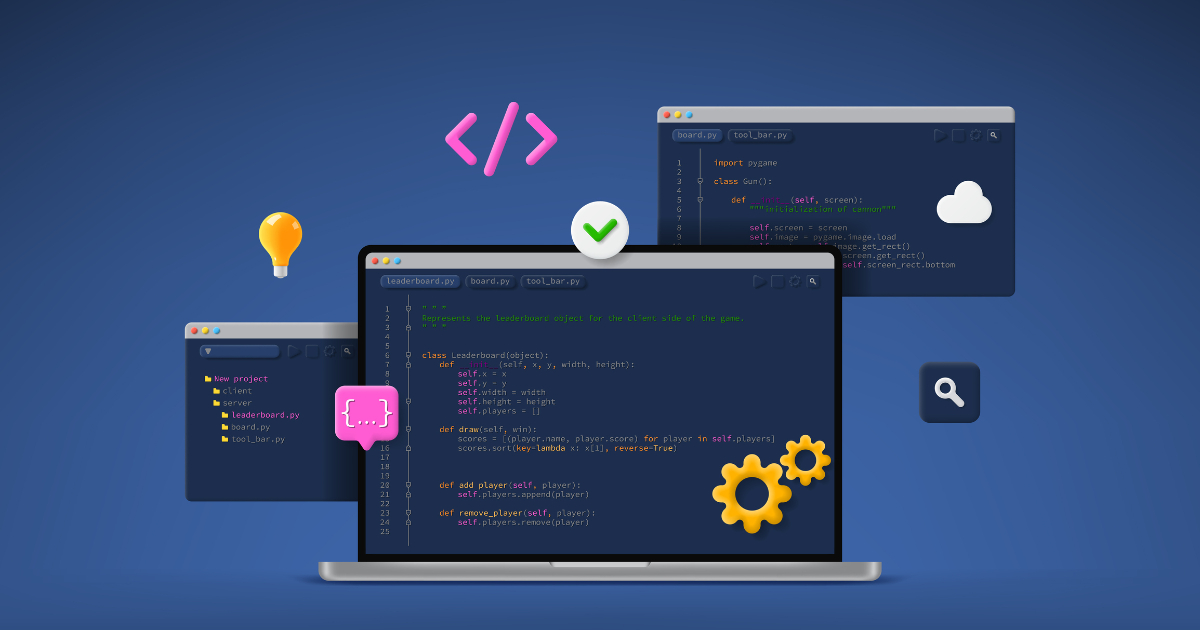
How Cloudflare uses AI to enforce engineering standards automatically
Cloudflare's latest move turns engineering standards from static documents into a live, AI-enforced control system across the software development lifecycle. That's a smart shift. Too often, best practices sit unread in a wiki, waiting for someone to stumble upon them. By embedding enforcement directly into the workflow, Cloudflare is making standards matter where the work actually happens. It's a practical, forward-looking approach that prioritizes consistency without slowing teams down.

The AI Standards Office Faces Another Leadership Departure
The Center for AI Standards and Innovation has become a revolving door, with its director role already vacant after David Sacks stepped away as czar. That is not a vote of confidence for an office meant to anchor trust in emerging tech. We need steady leadership here, not churn. If you are still weighing how much faith to put in AI's human handlers, our piece on talking to an AI clone offers a useful reality check. For now, this instability is worth watching closely.