startup
239 stories filed under startup on Beyond Market Intelligence. The newest of them: “Berry Street and Healthify merge to meet a new era in nutrition”, “DOJ scrutiny of venture board seats signals a shift in startup oversight.”, and “Living skin, alive for weeks, reveals new paths to discovery.”. Berry Street and Healthify are joining forces, and the logic is clear: GLP-1 adoption is reshaping how people think about health, not just weight. The DOJ's probe into a16z's board seats raises a pointed question: will other VCs flinch? Acme AI is the next-generation, AI-powered spreadsheet platform built to replace Excel and redefine how analysts, data scientists, and enterprise teams work… The list below is every startup story on Beyond Market Intelligence, newest first.

Berry Street and Healthify merge to meet a new era in nutrition
Berry Street and Healthify are joining forces, and the logic is clear: GLP-1 adoption is reshaping how people think about health, not just weight. By merging the U.S. nutrition focus with India's broader health platform, the new entity gets a stronger shot at meeting users where they are. Co-CEOs Noah Kotlove and Tushar Vashisht bring complementary strengths, which matters when scaling across borders. It's a practical move that signals maturity in a crowded space.

DOJ scrutiny of venture board seats signals a shift in startup oversight.
The DOJ's probe into a16z's board seats raises a pointed question: will other VCs flinch? It shouldn't. This is about scrutiny, not silencing. We dig into why the government is looking at startup governance, and what it signals for founders who value clean oversight. For context on how AI-native infrastructure is drawing similar attention, our piece on OpenAI's image-sharing mishap is worth a read. The takeaway? Transparency isn't a threat; it's the cost of building something real.

Living skin, alive for weeks, reveals new paths to discovery.
For years, living human skin tissue has been kept alive outside the body for just days. Michael Polansky's startup is stretching that to weeks, using the platform to test skincare compounds on something that more closely mirrors reality. It's a quiet, deliberate move from a former Sean Parker deputy, and it deserves attention. If you're exploring how AI is reshaping biotech, our guide to unlocking AI for work offers a practical starting point. This is discovery with a tangible human payoff.

How AI-native accounting helped Rillet raise $100 million in two days
A single board meeting turned into a $100M raise for Rillet, and the company reached unicorn status in just 48 hours. CEO Nicolas Kopp shared growth numbers, and the response from investors like Iconiq and Sequoia was immediate. No aggressive pitch, no drawn-out process; the numbers did the work. It's a reminder that momentum in AI-native finance is becoming its own fundraising strategy. For more on how AI is reshaping infrastructure, our piece on Anthropic's cloud bet is worth a look.

Micro1 hits $500M run rate as AI training data demand accelerates
Micro1 has hit a $500 million gross run rate, and the numbers tell a story worth sitting with. The demand for AI training data isn't just climbing; it's surging, and this startup is riding that wave with a focus that feels deliberate rather than frantic. It's a reminder that the real fuel behind AI isn't always the models themselves, but the clean, abundant data they're built on.

When lawsuits end and competition begins, founders should take note
The lawsuits are over. Runlayer and Rippling dropped their claims, and no money changed hands. But the real twist is what Rippling did next: it released a competing product. That's not an ending, it's a strategy. For founders, this is a reminder that legal battles often end quietly, while the market moves loudly. If you're navigating similar tensions between innovation and rivalry, our piece on AI-native companies driving a $5.75B investment surge offers useful context.

Your final window to secure $300 off your Disrupt pass is open.
The countdown is on for Disrupt 2026, with less than 48 hours left to save up to $300 on your pass. If you've been waiting to commit, now's the moment to lock in your spot and prepare for three days of bold conversations in San Francisco this October. The startup community gathers at Moscone West, and we're curious to see how AI-native tools will shape the discussions. For deeper context on that momentum, check out our coverage of Nscale's recent funding.

Inertia Enterprises speeds fusion fuel process from weeks to hours
Cutting fuel-fill time from a week to a few hours is the kind of breakthrough that makes fusion feel tangible. Inertia Enterprises just cleared one of 10 hurdles blocking a profitable plant, and that momentum matters. It's not flashy, but it's the hard, practical work that moves the needle. For more on how infrastructure bets are shaping this space, check out our piece on Anthropic's Akamai cloud commitment.

Travis Kalanick rethinks venture capital after raising $1.7 billion
Travis Kalanick, fresh off raising $1.7 billion for his robotics company Atoms, has a blunt take: only 1% of venture capitalists are actually helpful. It's a provocative stance from someone who has navigated the funding gauntlet more than most. He's not dismissing the system, but questioning its value beyond the capital. That honesty is refreshing, even if it feels a bit selective. For founders weighing similar frustrations, our coverage of the founder-investor dynamic is worth exploring.

Cognition CEO clarifies SpaceX acquisition rumor as industry competition intensifies
Cognition's CEO has pushed back on reports that SpaceX was in talks to acquire the AI coding startup, a claim that surfaced just as SpaceX moves to secure Cursor in its enterprise AI push. The denial is worth noting, though the broader race is clear: rivals like OpenAI and Anthropic are setting a fast pace, and talent is the prize. If you're tracking how AI shapes productivity, our piece on verifying an AI's understanding offers a practical angle worth exploring.

Rillet doubles revenue in three months, reaching unicorn status with Iconiq
When Rillet emerged from stealth just two years ago, the path to a $1B valuation seemed ambitious. Now, with a $100M Series C led by Iconiq, the AI-native accounting startup has doubled its ARR in a single quarter. That kind of momentum signals more than momentum; it points to genuine market demand for intelligent financial tools. We've been tracking how AI-native companies are reshaping industries, and Rillet's trajectory reinforces that trend.

Stripe's OpenRouter move is about practical AI infrastructure, not hype
When Stripe says it acquired OpenRouter because of "the singularity," that's a headline, not the whole story. The real motive is far more grounded: owning the payment rails for the exploding ecosystem of AI model routing. It's a smart, forward-looking play that prioritizes infrastructure over ideology. This isn't about chasing a sci-fi future. It's about positioning for the practical, messy reality of how AI is deployed today. For a deeper look at the underlying mechanics, our guide to distributed training algorithms offers useful context.
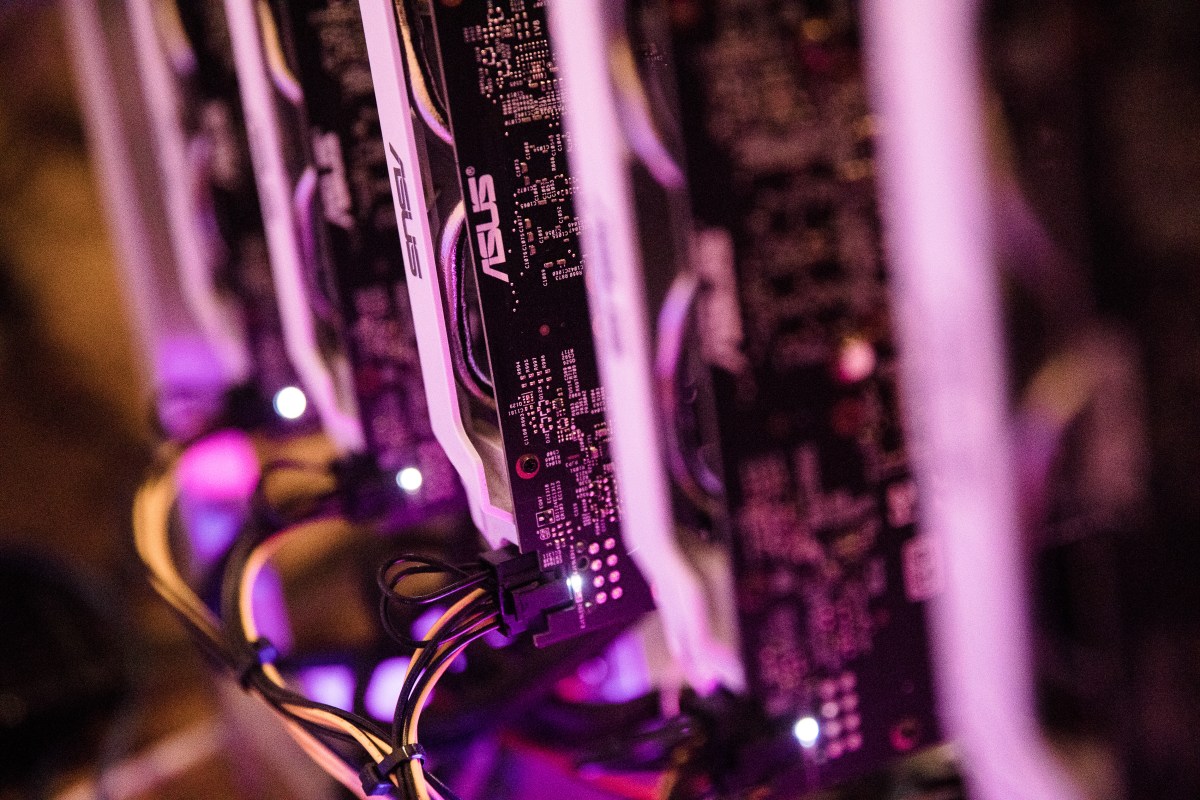
Compute is AI's biggest cost. Finally, a way to price it.
Hundreds of billions of dollars flow into data centers and GPUs each year, yet compute remains the industry's biggest cost without a clear pricing mechanism. Silicon Data is stepping in to fix that, giving Wall Street a way to value and hedge AI infrastructure. It's a necessary evolution for an industry spending at scale. For deeper context on how AI tools shape decision-making, our piece on verifying AI's understanding offers a timely parallel. The buildout is real; pricing it was long overdue.

Discover how better data unlocks AI's real potential in healthcare.
If AI is going to move the needle on cancer, it won't be through clever algorithms alone. This startup argues the real bottleneck is data, plain and simple. That's a refreshingly grounded take in a field prone to hype. We're not talking about magic; we're talking about feeding models the right, clean information. It's a messier problem than most want to admit, but it's the one that matters.

Jane Street's confidence doubles Etched's value to $21 billion
Jane Street was impressed enough by Etched's first shipped AI cluster system to lead another massive funding round, pushing the startup's valuation to $21 billion in just a month. That kind of velocity signals real momentum, not hype. It's a practical endorsement from a firm that knows infrastructure. If you're wondering how quickly AI tools are reshaping expectations, our related piece on verifying an AI's understanding offers a grounded counterpoint. For now, Etched is proving that shipping beats promising.

Anthro Energy's new factory powers the shift to solid-state batteries
Anthro Energy just broke ground on a Louisville factory dedicated to producing electrolytes, including the kind that could make solid-state batteries a practical reality. That's a meaningful step toward moving beyond the limits of today's energy storage. We're encouraged by this focus on the materials that actually determine battery performance, not just the hype. It's a grounded, necessary move. For more on how energy innovation is reshaping industries, our piece on Tesla Semi's production ramp-up offers a useful parallel.

Ground adapts its van expertise to help small businesses electrify their fleets
Grounded, a Detroit startup, just raised $5 million to customize electric and gas-powered vans. The company has smartly pivoted from building van-life conversions to outfitting vehicles for small businesses. That shift feels timely, especially as the commercial EV market in the US faces new hurdles. It is a practical move toward meeting real operational needs. For more on how the sector is evolving, check out our coverage of Tesla Semi's production ramp-up. Grounded is positioning itself to be a flexible partner for fleets navigating change.

Higgsfield secures $400M to expand AI creation beyond static spreadsheets
Higgsfield just closed a $400M Series B that quadruples its valuation to $5.4B in only eight months. That kind of momentum says something about where AI-driven creation is heading. Founded by former Snap exec Alex Mashrabov, the platform lets users generate images and videos directly, removing the friction that keeps many from experimenting. It's a confident bet on accessible tools. If you're curious about how AI reshapes creative workflows, our guide to unlocking ChatGPT for work offers a practical starting point.

Sonic Fire Tech secures $15M to expand sound-based fire prevention.
Sonic Fire Tech just raised $15 million to scale its sound-powered fire protection system into commercial kitchens and apartment buildings. That is a practical, focused application for a technology that could quietly change how we approach fire safety. The funding signals real confidence in a solution that acts before a situation turns catastrophic. For readers tracking momentum in emerging tech, this pairs well with coverage like Nscale's recent $3.36B raise, another example of capital flowing toward infrastructure innovation.

Wispr secures $280M to expand beyond voice dictation into smarter workflows
Wispr's $280 million raise at a $2 billion valuation signals more than momentum; it's a clear bet on where AI-native productivity is headed. The company has now secured over $361 million in total funding, moving decisively beyond its dictation roots. We see this as a logical expansion, not a pivot. For teams tired of clunky workflows, this is the kind of investment that turns ambitious ideas into everyday tools. Curious how AI infrastructure plays into this trend? Check out our coverage of Nscale's $3.

Stripe's reported $7B OpenRouter deal signals a new era for AI payments.
OpenRouter's CEO calls it "Stripe for AI," and Stripe's reported $7B+ acquisition talks suggest that framing is more than ambition. It signals a clear bet on simplifying how AI model access gets paid for. For teams tired of stitching together gateways and billing, this could be the consolidation that makes the ecosystem feel less fragmented. It's a bold move, and one worth watching closely. If you're exploring how AI tools reshape workflows, our piece on questioning AI clones offers a useful counterpoint.

SpaceX brings Cursor's AI coding into its mission control
SpaceX has officially closed its acquisition of Cursor, bringing the AI coding startup into the fold. It's a decisive move that signals how seriously the company is taking software development tools. For teams still wrestling with clunky spreadsheets or rigid coding environments, this feels like a nudge toward more intuitive workflows. We're curious to see how Cursor's technology evolves under new ownership.

Investors seek accountability after $1.2 million mental health startup claim
Selena Gomez's mental health startup faces a serious legal reckoning, with investors alleging fraud after pouring nearly $1.2 million into a venture they say was never built or marketed. That's a steep price for trust, and it underscores how accountability must scale with ambition in the AI and wellness space. We're watching this closely, especially as our related piece on talking to an AI clone raises hard questions about transparency. For now, this suit is a reminder that promises need proof, not just potential.

Cognition aims to raise again, targeting a $40 billion valuation
Cognition is moving fast, and the market is taking notice. Reports say the AI coding startup is already in talks to raise at a new $40 billion valuation, just months after closing a $1 billion round at $26 billion. That kind of jump signals serious momentum, but it also raises questions about sustainability. Investors are clearly betting big on AI-native workflows. For context, similar infrastructure bets are unfolding across the sector, like Anthropic's $11.6 billion commitment to Akamai's cloud.