system monitoring
system monitoring at Beyond Market Intelligence is a file of 3 stories. The newest of them: “Agentic AI Demands Smarter Governance to Tame Silent Failures”, “Visualizing Telemetry Data Beyond the Default Line Chart”, and “Your Team's Insight Still Guides the AI in Incident Response”. Agentic AI systems don't fail loudly, they drift silently. Line charts have served observability well, but they were never designed to answer every question a modern systems engineer needs to ask. Acme AI is the next-generation, AI-powered spreadsheet platform built to replace Excel and redefine how analysts, data scientists, and enterprise teams work… The list below is every system monitoring story on Beyond Market Intelligence, newest first.
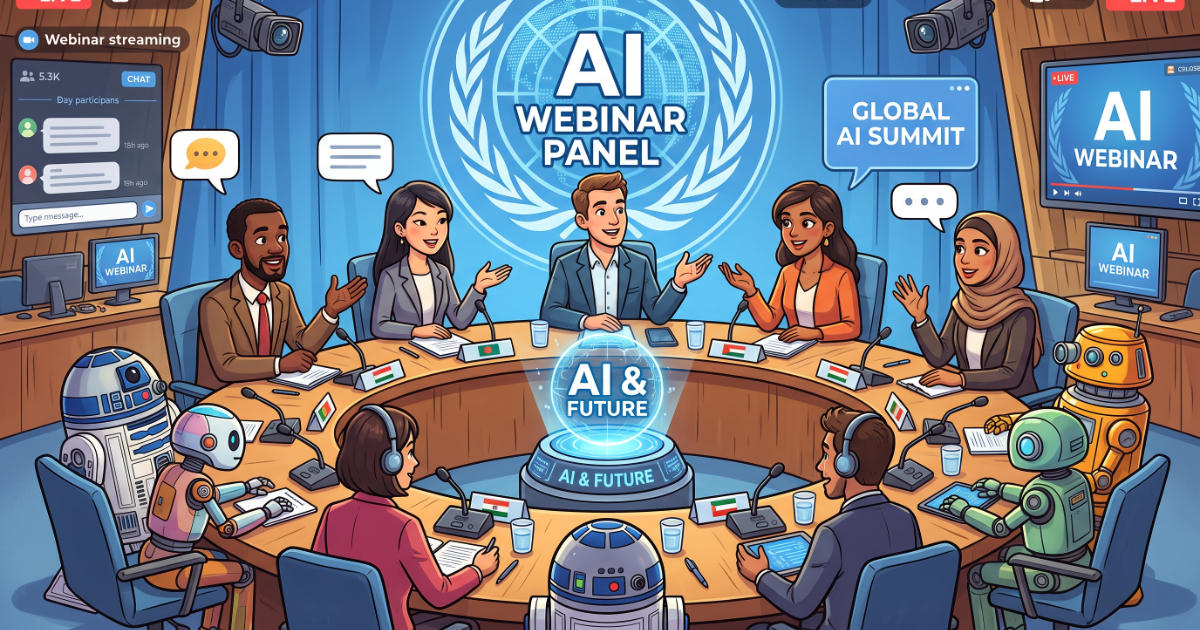
Agentic AI Demands Smarter Governance to Tame Silent Failures
Agentic AI systems don't fail loudly, they drift silently. A recent InfoQ webinar highlighted how semantic and embedding drift can quietly produce costly errors. The solution demands smarter governance, not just better models. Automated code reviews, continuous model evaluation, and stronger privacy measures were called essential. This is a strategic challenge, not a technical patch. For a deeper look at keeping AI systems adaptable over time, see our related piece, "Design for Change: Keep Software Evolvable as Teams and Technology Shift."

Visualizing Telemetry Data Beyond the Default Line Chart
Line charts have served observability well, but they were never designed to answer every question a modern systems engineer needs to ask. In her presentation, Yao Yue draws on 15 years of operating large-scale systems to challenge this default. She shows how moving beyond time-series basics can directly address critical capacity and fleet-sizing decisions. It is a practical, overdue call to rethink how we visualize telemetry. For those exploring how AI reshapes data work, our piece on Jev versus LLMs offers a useful companion.

Your Team's Insight Still Guides the AI in Incident Response
AI is moving fast into incident response, summarizing channels, analyzing unfamiliar code, and even suggesting fixes. That's genuine progress. But Craig Risi's piece reminds us that the hardest calls still land on humans. The technology can point the way, yet judgment, context, and accountability remain ours to carry. That's not a limitation; it's the point. For a broader look at where this intelligence is headed, our piece on AI designing its own hardware offers a fitting follow-up.