technical leaders
Beyond Market Intelligence keeps technical leaders in one place: 5 stories so far. The section currently leads with “From Engineer to Founder: Gonzalo Maldonado's Lessons on Navigating Startup Success”, “From Code to Influence: Shaping Outcomes Beyond Engineering”, and “When Evaluations Fail, Trust in Automation Grows, Not Shrinks”. Gonzalo Maldonado argues that engineers don't need to unlearn their technical instincts to succeed as founders, they need to translate them. Great engineering usually stops at the code, but Brad Grantham argues it shouldn't end there. Acme AI is the next-generation, AI-powered spreadsheet platform built to replace Excel and redefine how analysts, data scientists, and enterprise teams work… The list below is every technical leaders story on Beyond Market Intelligence, newest first.
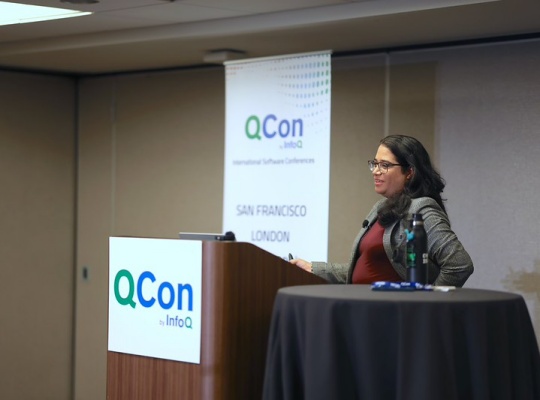
From Engineer to Founder: Gonzalo Maldonado's Lessons on Navigating Startup Success
Gonzalo Maldonado argues that engineers don't need to unlearn their technical instincts to succeed as founders, they need to translate them. His "VC Abstraction Layer Knowledge" (VALK) framework reframes pitching as structured documentation and treats product-market fit as a solvable problem. This is practical, hard-won advice for a post-ZIRP world, especially his insights on evaluating internal tools as commercial ventures. If you're a technical leader weighing the leap, start here.

From Code to Influence: Shaping Outcomes Beyond Engineering
Great engineering usually stops at the code, but Brad Grantham argues it shouldn't end there. In this talk, he maps the journey from individual contributor to technical leader, focusing on how to translate deep expertise into business and legal fluency. It's a practical push to communicate with non-technical stakeholders and trade ego for team empowerment. If you're looking to broaden your influence, this offers a clear path forward. For a related read on expanding technical horizons, explore our piece on Spritely's architecture.
When Evaluations Fail, Trust in Automation Grows, Not Shrinks
Confidence in automated agent evaluation surged this July, nearly tripling to 13% across 108 enterprises – a shift largely driven by those yet to experience a “false-confidence” failure. Critically, the failure rate of agents passing evaluations but then causing customer issues remained unchanged at just under half. While trust is rising, enterprises are simultaneously increasing investment in human review workflows, hedging against evaluations that don’t always reflect real-world outcomes.
Your AI agent passed your tests. Then it failed your customer.
Enterprise AI is granting agents more autonomy than the evaluations meant to govern it can support. Half of organizations have shipped an agent that passed internal tests, then failed a customer. Only 5% fully trust the automated evaluations in use today. The most-cited weakness: evaluations align poorly with real-world outcomes. Yet two-thirds are already deploying on automated results alone, or engineering toward it. That gap between autonomy and assurance is where failures scale.
Your AI agents are passing tests but failing customers
Enterprise AI is granting agents more autonomy than the evaluations meant to govern them can support. Half of organizations have shipped an agent that passed internal tests, then failed a customer. Only 5% fully trust automated evaluation today. Yet two-thirds are moving toward zero-human deployment. That gap between trust and autonomy is the defining tension, and the market is responding. Tooling is fragmented, investment is shifting toward human review, and the next year will show whether assurance catches up to ambition.