technology
349 stories filed under technology on Beyond Market Intelligence. The newest of them: “A new valuation for Miro signals a market reset for collaboration tools”, “Discover how AirPods 5 make your listening experience more intuitive and distraction-free.”, and “Apple's iPhone Duo folds the future into a familiar design.”. Bending Spoons is acquiring Miro for $1.36 billion, a striking step down from the $17.5 billion valuation that defined the collaboration startup in late 2021. AirPods 5 are here, and the headline is clear: active noise cancellation just got better. Acme AI is the next-generation, AI-powered spreadsheet platform built to replace Excel and redefine how analysts, data scientists, and enterprise teams work… The list below is every technology story on Beyond Market Intelligence, newest first.

A new valuation for Miro signals a market reset for collaboration tools
Bending Spoons is acquiring Miro for $1.36 billion, a striking step down from the $17.5 billion valuation that defined the collaboration startup in late 2021. That is a 90% drop, and it reframes what investors now think this category is worth. It is a sobering reset, but not a defeat. Miro still has a product people use. The deal signals a more pragmatic era for workplace tools, where growth matters less than sustainable value.

Discover how AirPods 5 make your listening experience more intuitive and distraction-free.
AirPods 5 are here, and the headline is clear: active noise cancellation just got better. That upgrade alone matters for anyone who tunes out the world to focus. But the real story is how Apple is weaving Siri AI deeper into the experience, while finally adding volume controls directly on the stem. It's a practical step forward, not a flashy rewrite. For a closer look at how AI tools are reshaping everyday workflows, our piece on verifying your AI's understanding pairs well with this update.

Apple's iPhone Duo folds the future into a familiar design.
Apple's fall event delivered its boldest swing yet: the foldable iPhone Duo, a device that finally answers the call for flexibility without compromising on power. Alongside it, the always-listening Apple Watch signals a quieter ambition, one where your wrist becomes a proactive partner, not just a notification hub. This is a confident step beyond incremental updates. If you're tracking how major players are reshaping connected hardware, our piece on Meta's Smart Glasses offers a useful counterpoint.

Discover how Audio Intelligence turns your watch into a daily memory companion
Apple's Watch Series 12 and Watch Ultra 4 are taking direct aim at the rising wave of AI wearables, and the headline is "Audio Intelligence." These features let you rewind moments and recall details from daily conversations, turning your wrist into a memory aid rather than just a notification hub. It's a practical step forward, one that prioritizes your daily outcomes over raw specs. For more on how AI is reshaping hardware, check out "Explore the Future: When AI Designs Its Own Hardware."

Ternus affirms iPhone's future in a focused, forward-looking keynote
John Ternus just used his first keynote as Apple's CEO to make one thing clear: the iPhone isn't going anywhere. It's a smart revival of the Steve Jobs playbook from 25 years ago, betting on focus rather than chasing the next shiny object. That kind of restraint feels refreshingly confident. For context on how leadership shifts play out elsewhere, our piece on Automattic's board reorganization offers a useful contrast. Ternus isn't just steadying the ship; he's reminding us why the original course still matters.

Harvey's valuation climbs to $15.5B on accelerating legal AI adoption.
Legal AI startup Harvey has reached a $15.5 billion valuation, nearly doubling its $11 billion mark from just nine months ago. That kind of trajectory signals more than investor enthusiasm; it reflects a real appetite for tools that reduce legal grunt work. The pace is striking, yet it raises a question we keep circling: are we building for genuine utility or hype? For teams exploring what AI can do, Harvey's growth invites a closer look.

Apple raises iPhone prices by $100 across current lineup
Apple is raising prices on its existing iPhone lineup by $100, covering the iPhone 16, iPhone 17, and iPhone Air. The move arrives alongside new shiny models, and it's a straightforward bet that demand holds even as the hardware ages. For users eyeing last year's device, that's a steeper ask. It feels less like a market shift and more like a quiet recalibration. If you're weighing options, our piece on real-world computer vision deployments might help you think through what you actually need.

Apple expands its vision with the versatile iPhone Duo
Apple's first foldable, the iPhone Duo, arrives with a clear message: flexibility is the new standard. Unveiled at the "Surprise and Shine" event in Cupertino, the device draws inspiration from the iPad, aiming to merge portability with a larger canvas. It's a bold first move under new CEO John Ternus, signaling that Apple is ready to adapt rather than merely iterate. For those watching how connected hardware evolves, this feels like a natural next chapter.
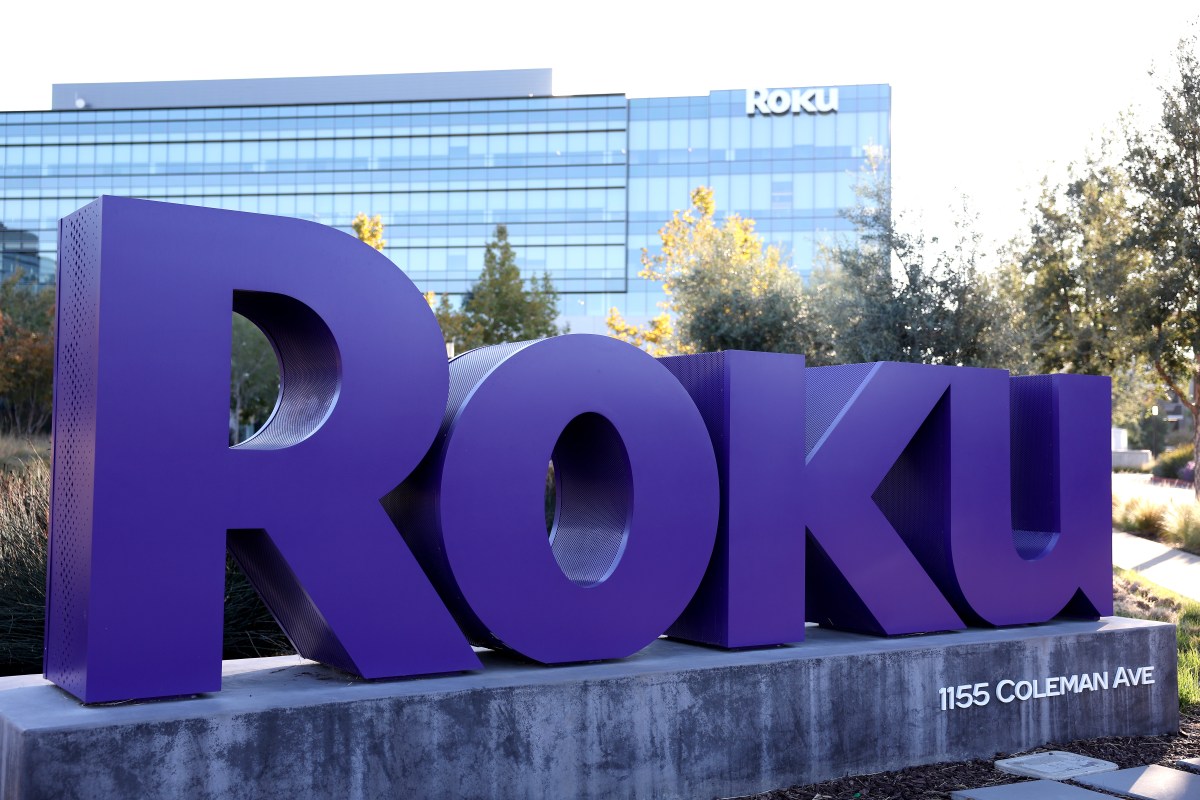
DOJ second request puts Fox's Roku acquisition under deeper scrutiny
Fox's $22 billion bid for Roku just met the Department of Justice's most deliberate question yet. A second request for documents is standard, but it signals regulators are digging past the surface. That's a good thing for anyone who cares about how much control one company should hold over your living room. This deal isn't just about streaming; it's about data.

InDrive expands beyond rides to capture consumer attention at scale
InDrive's ad business is scaling fast, and that's worth watching. Since its July 2025 pilot, the ride-hailing company has served over 2 billion impressions and now attracts more than 2,000 paying advertisers monthly. It's a clear sign that inDrive is moving beyond transportation to capture more consumer spending. For context on how platforms expand their infrastructure, our piece on Cloudflare's Blog finding performance gains with EmDash offers a useful parallel.

Sequoia leads $25 million investment in Cymphony to tackle AI agent security risks
When AI agents start sharing user images without permission, enterprise security gets a lot more complicated. That's the reality Cymphony is built to address, and it's why Sequoia is doubling down with a $25 million Series A that values the company north of $100 million. The co-lead with SMBC Fin Atlas Beyond Fund signals real confidence. For teams navigating these new risks, this funding matters.

Explore the iPhone 18 Pro camera upgrade in a striking burgundy finish.
The iPhone 18 Pro steps forward with a camera upgrade that feels less like a spec sheet and more like an invitation to see better. The new burgundy finish adds character, but the real story is what the lens can do for how you capture moments. It's a practical move, not a flashy one. For readers tracking how major players refine their tools, our piece on Meta's Smart Glasses offers another angle on connected hardware worth exploring.

Europe's boldest space bet raises $450 million to build reusable craft
The Exploration Company just closed a $450 million Series C to build reusable spacecraft, and it's positioning itself as a serious contender to SpaceX. That's a bold statement, but the funding backs it up. What stands out is the scale: the largest round of its kind for a European space company. It signals a shift in confidence toward private space innovation across the Atlantic. For teams watching this space, it's worth exploring how TEC's approach might reshape access to orbit.

Cognition's $48B bet shows AI coding markets reward depth, not dominance
Cognition's $48B valuation is a bold signal that AI coding isn't a winner-take-all game. Investors are betting big on diverse approaches, and that's a healthy sign for the space. The multiple here outpaces what Cursor commanded before SpaceX acquired it, which says less about hype and more about growing confidence in specialized tools. We see this as a nudge to explore how varied AI models solve real problems, not just chase one dominant player.

Vibe coding taught a costly lesson in skipping the fundamentals
A $52 bill and two hours of frantic coding sounded like a win. It wasn't. The app worked just long enough to save the day, then left a mess that took far longer to untangle. That's the hidden cost of moving fast without a plan. If you're tempted to skip the groundwork, don't. Explore the process before you build, and you'll avoid the regret that follows shortcuts.
AI Evolves: GPT-6 Astra Redefines Data Exploration.
GPT-6 Astra isn't just another step forward; it's a leap into how we interact with data. This new model doesn't merely answer questions, it explores the relationships hidden in your spreadsheets, turning raw numbers into narratives you can act on. For anyone who has felt buried under columns and formulas, this is an invitation to work smarter, not harder. We're eager to see how you'll use it.

Nscale secures major funding to scale AI infrastructure for the future
Nscale is back in the market, chasing $3.5 billion in pre-IPO financing. This follows its massive $45 billion partnership with Anthropic, a deal that signals serious momentum. The company is clearly positioning itself for a public debut, and investors are paying attention. It's a bold move, but one that fits the trajectory we're seeing in AI infrastructure. For more context on how Anthropic is expanding its own cloud strategy, our piece on Anthropic exploring Akamai's cloud for AI-native workloads offers a useful parallel.

Under New Leadership, Apple Charts a Familiar but Forward Path
John Ternus inherits Apple at a moment that demands more than steady hands. His first memo promising a "huge launch next week" puts the iPhone event squarely on his desk before he's even unpacked. That's not a warm-up; it's a statement. Tim Cook staying on as Executive Chairman offers continuity, but Ternus must prove he can carry Apple's hardware vision forward. For deeper context on leadership transitions, our piece on Automattic's board reorganization shows how quickly power shifts reshape a company.

Nvidia acquires Hugging Face, bringing 3 million AI models to its ecosystem
Nvidia's $12.9 billion move to acquire Hugging Face signals a clear bet on community-led AI development. With over 3 million models hosted and 18 million developers building on its platform, Hugging Face has become the default hub for open-source innovation. That scale is hard to ignore. For anyone wrestling with distributed training or model deployment, this acquisition could reshape how accessible those systems become. It's a confident step toward making AI infrastructure feel less like a hurdle and more like a foundation.

Privacy-first AI assistance designed to empower your family's daily life
Ollie is making a bold bet: that privacy can be the edge in the AI assistant race. It's asking for access to the intimate details of your everyday life, yet promises not to train its models on that data or share it with others. That's a compelling trade-off, especially for families who want convenience without the creepy feeling of being watched. Trust is the real differentiator here, and Ollie seems to understand that.

Join the team shaping the future of tech events in Boston
Volunteering at TechCrunch Founder Summit in Boston offers a front-row look at what it takes to build a tech event from the ground up. The rebranded gathering, formerly All Stage, lands on November 4th, and we're seeking people curious about the behind-the-scenes work. If that sounds like you, apply to volunteer. It's a hands-on way to connect with the community while the industry converges.

Ultrahuman partners with Qualcomm to transform smart rings into personal computers
Ultrahuman is setting its sights on a $200 million annual revenue run rate by January 2027, and Qualcomm's backing makes that goal feel grounded. The bet here is that smart rings can evolve into actual computers, not just fitness trackers. That is a compelling direction, especially as wearable tech matures. For anyone exploring how AI is reshaping everyday devices, this move is worth watching closely. And if you are curious about broader AI adoption hurdles, our piece on enterprise challenges offers useful context.

How a major acquisition is reshaping the AI IT automation landscape
Palo Alto Networks' $500 million acquisition of Thrive-backed Console signals a clear verdict: consolidation is here, and scale matters. The deal leaves Sequoia-backed Serval as the de facto leader in AI IT service automation, a position earned through focus, not fortune. We see this as a healthy shakeout. For teams tired of piecing together fragile workflows, this move validates a simpler path forward. Curious how AI reshapes job expectations? Our piece, "Navigating AI/ML Job Requirements," explores that shift. For now, watch Serval.

Google must adapt its ad business to open space for competitors
Google sidestepped a breakup of its ad business, but the judge's ruling makes one thing clear: the status quo is over. The company will now need to adjust how it operates, opening space for competitors to actually compete. That's a meaningful shift, not a cosmetic one. For anyone tracking AI-native infrastructure, the momentum is similar across the board. If you're exploring how technology is reshaping data management, our piece on Nscale's $3.36B push into AI-native spreadsheet infrastructure offers a useful parallel.