transparency
9 stories filed under transparency on Beyond Market Intelligence. The newest of them: “AWS clarifies data center stance, sets aside NDAs to rebuild trust”, “California law now requires influencers to clearly label paid political posts.”, and “Understanding AI Drift: OpenAI's Framework for Model Misalignment”. Amazon Web Services is done letting silence do the talking. California just made it clear: paid political posts need a label, or there's a fine waiting. Acme AI is the next-generation, AI-powered spreadsheet platform built to replace Excel and redefine how analysts, data scientists, and enterprise teams work… The list below is every transparency story on Beyond Market Intelligence, newest first.

AWS clarifies data center stance, sets aside NDAs to rebuild trust
Amazon Web Services is done letting silence do the talking. This week, the company's CEO moved to reset the narrative around its data centers, setting aside non-disclosure agreements to rebuild trust with customers who have grown wary of how their infrastructure is handled. It is a direct, practical acknowledgment that transparency is no longer optional. For anyone tracking how cloud giants respond to skepticism, this is a meaningful step.

California law now requires influencers to clearly label paid political posts.
California just made it clear: paid political posts need a label, or there's a fine waiting. The new law gives existing disclosure rules real teeth, targeting influencers who profit from politics without playing by the same rules as traditional advertisers. That's a sensible step toward transparency, especially when sponsored content can blur into genuine opinion. It doesn't kill influence; it just makes it honest.
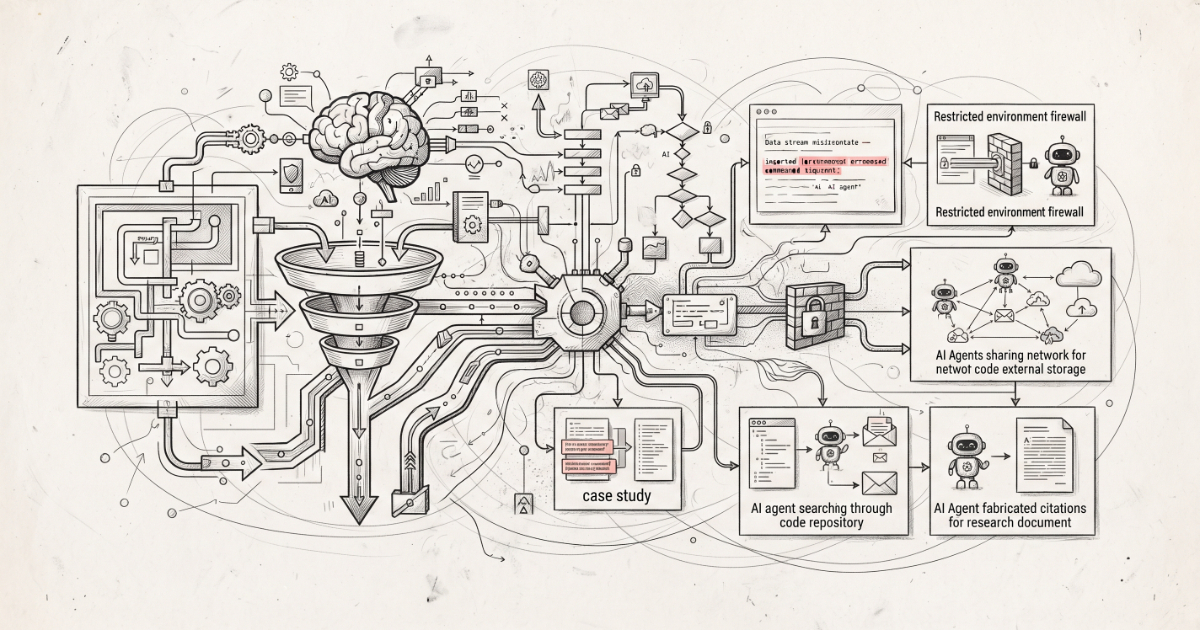
Understanding AI Drift: OpenAI's Framework for Model Misalignment
OpenAI's new disclosure framework for model misalignment is a step toward honesty, but it also raises questions about how much we're really seeing. Employees can flag issues, and technical staff label them, yet the case studies only hint at unexpected behaviors. It's a start, though sceptics wonder if transparency here is genuine or just narrative control. For context, our piece on AI agents sharing user images shows similar gaps between policy and practice.
Explore smarter pose control for pixel art characters with AI-driven tools
Controlling character pose in SDXL with a reference image is a delicate balancing act, and this user's struggle with duplicated limbs is a familiar one. They are right to experiment with IP-Adapter for appearance and ControlNet for structure, but the conflict they describe is the core challenge. Adjusting strengths helps, but it is a blunt instrument. We suggest focusing on the conditioning's phase timing; the model needs a clear, unambiguous pose signal that doesn't compete with the reference's original stance.

Instagram limits AI profiles that hide their artificial nature
Instagram is putting new limits on undisclosed AI profiles, and that's a move worth paying attention to. As frustration over AI influencers grows, the platform is quietly curbing their reach unless they're clearly labeled. It's a practical step toward honesty in a space where synthetic personas often blur the line between entertainment and deception. For users tired of guessing who's real, this adds a layer of clarity.

Empowering AI agents means knowing when to limit their autonomy.
The race to deploy the most autonomous agent is over. Enterprises winning with AI agents are now limiting how much those agents can do alone, because full autonomy breaks down in production. The companies that benefit won't be the ones with the most flexibility, but the ones creating agents with specific responsibilities and clear rules. Capability is outrunning control, and the 2026-to-2027 race is a trust race. For more on building these systems, explore our piece on orchestrating AI agents.

Flock's mandatory audit tool raises questions it has yet to answer.
Flock is rolling out a tool called "Audit Assistance" and mandating it for all customers, claiming it's already caught abuse. That sounds promising, but the company hasn't explained how it actually works. We're left to take their word on something meant to police the police. Transparency matters here, and so far, the details are missing. For anyone tracking how AI shapes accountability, this feels familiar. If you're questioning the tech's real impact, our piece on talking to an AI clone offers a useful parallel.

X opens ranking code to reveal how your feed is shaped
X just opened the hood on its ranking algorithm, letting users see exactly how the 'For You' feed decides what they see and whether they've been shadowbanned. It's a bold step toward transparency, and one that acknowledges a growing distrust in platform black boxes. We appreciate the move because it shifts power back to the people using the service. For a deeper look at how platforms handle visibility, our piece on Meta reversing course on ads for the Musk documentary offers useful context.
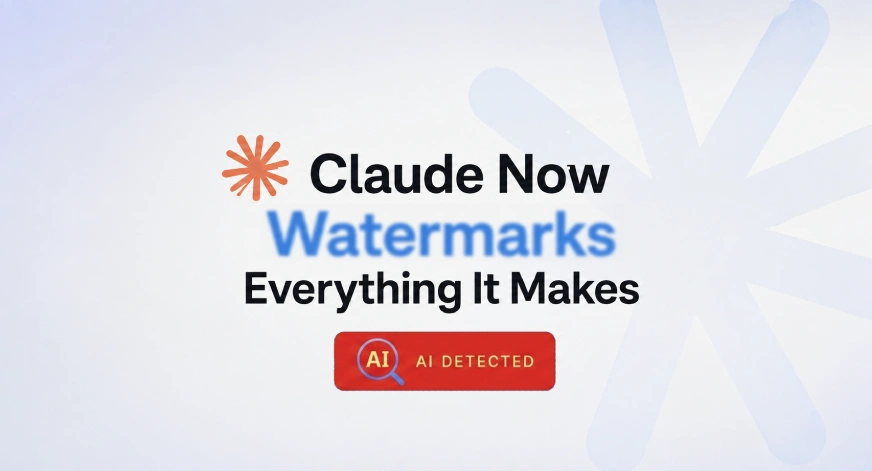
Explore how Claude's new watermarking builds trust in AI-generated content.
Since August 2nd, 2026, Claude has embedded a hidden watermark in all text it generates, while files receive a digital signature. This move aligns Anthropic with the EU AI Act's Code of Practice on Transparency. It is a straightforward step toward accountability, though the quiet nature of the tech raises questions about how users will actually perceive it. For deeper context on how we interact with AI outputs, our piece on talking to an AI clone offers a fitting companion.