vehicle safety
vehicle safety at Beyond Market Intelligence is a file of 6 stories. The newest of them: “The Human Cost of Scaling Autonomous Vehicles”, “Waymo's collision probe documents remain hidden behind confidentiality claims.”, and “Tesla joins automakers adding labels to help find hidden door releases.”. Hard braking. Waymo has handed over documents in NHTSA's child collision probe, but the responses so far arrive heavily redacted, with the company citing "confidential business information." That is a curious stance for a firm asking… Acme AI is the next-generation, AI-powered spreadsheet platform built to replace Excel and redefine how analysts, data scientists, and enterprise teams work… The list below is every vehicle safety story on Beyond Market Intelligence, newest first.

The Human Cost of Scaling Autonomous Vehicles
Hard braking. Sudden lane changes. A lurch that throws a human body against a seatbelt. These are the daily realities for test drivers at Waymo and Zoox, who sustained more than two dozen injuries across 2024 and 2025, according to a TechCrunch review of OSHA data. As robotaxis scale, the humans paid to supervise them are becoming the crash-test dummies for an industry moving fast. That is a tradeoff worth pausing over, especially when the promise is safer roads for everyone.

Waymo's collision probe documents remain hidden behind confidentiality claims.
Waymo has handed over documents in NHTSA's child collision probe, but the responses so far arrive heavily redacted, with the company citing "confidential business information." That is a curious stance for a firm asking the public to trust its judgment on the road. Transparency matters most when scrutiny intensifies, and blacking out entire answers invites more questions than it settles. For deeper context on how data exposure and trust intersect, our piece "Protecting Data in the Age of AI-Powered Apps" offers a useful lens.
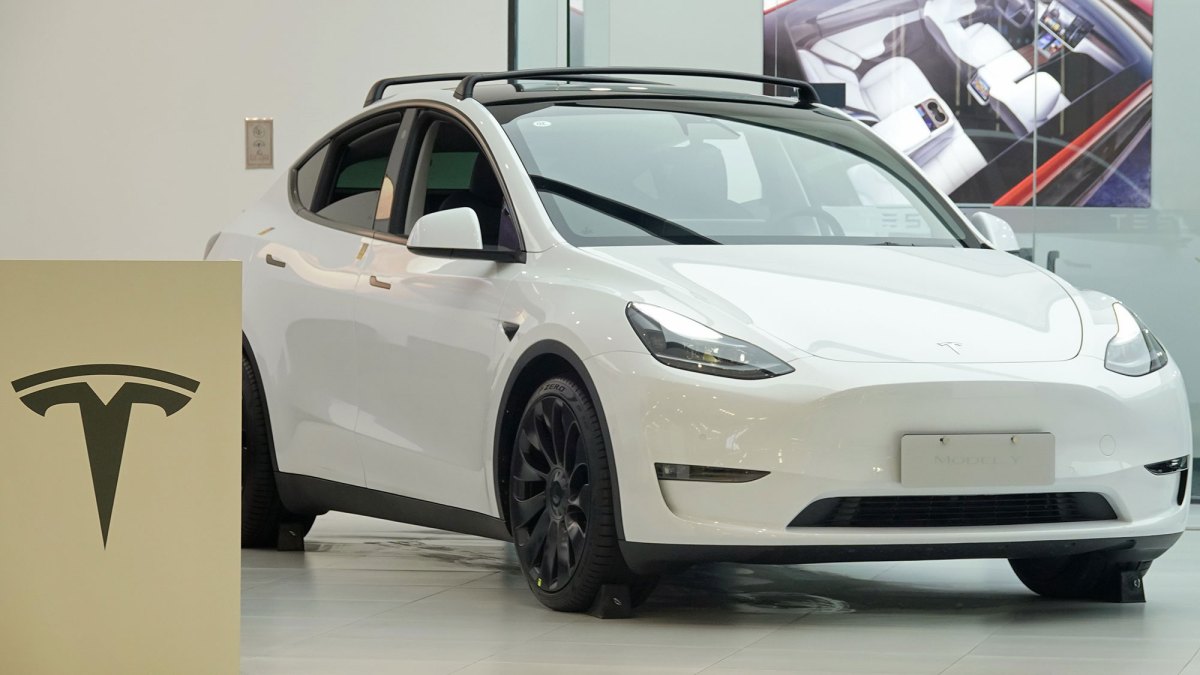
Tesla joins automakers adding labels to help find hidden door releases.
Tesla is recalling nearly 3 million vehicles in China as part of a broader push to address a simple but critical safety issue: hidden door handles that can leave occupants scrambling in an emergency. The fix? Warning labels that help passengers locate manual releases, a practical step that pairs with similar efforts from eight other automakers. It's a grounded move, prioritizing clarity over flash. For more on how Tesla is navigating safety and scale, our piece on the Semi's production ramp is worth a look.

New federal bill seeks national safety standards for autonomous vehicles
A new bill from Rep. Kevin Mullin (D-California) would push federal regulators to set minimum national safety standards for autonomous vehicle operators. It's a direct response to fresh scrutiny over how robotaxi services like Waymo handle emergencies. This feels like a necessary step, not a setback. The technology holds real promise, but public trust depends on clear, enforceable rules. If you're following Waymo's rapid growth, including its recent Texas expansion, this conversation becomes even more urgent.

How emergency exits in modern cars can become safety traps
A series of fatal incidents in which people became trapped inside Tesla vehicles has pushed federal regulators to open a new rule-making process. It is a necessary step, and one that acknowledges a simple truth: vehicle design must prioritize exit above all else. If you are following the broader momentum in Tesla's operations, our coverage of the Tesla Semi production ramp offers useful context on how the company is scaling its ambitions. For now, this safety review deserves close attention.

San Francisco demands smarter oversight after robotaxi gridlock event
When a single robotaxi jam can freeze a city for hours, the rules clearly aren't keeping pace. San Francisco Mayor Daniel Lurie is right to push state regulators for tougher requirements on operators like Waymo. This isn't about slowing innovation; it's about accountability. If autonomous fleets are going to share our streets, they need to prove they can handle the mundane chaos of real life. Otherwise, the gridlock becomes the headline, not the technology.