weaknesses
5 stories filed under weaknesses on Beyond Market Intelligence. The newest of them: “Navigating AI-Generated Peer Reviews at ICLR”, “Explore How Adaptive Training Environments Help AI Agents Learn from Weaknesses”, and “Unlock ChatGPT Work's Potential: A Clear-Eyed Look at Strengths & Limits”. A single ICLR reviewer gave a score of 2 with confidence 1, while the other two gave 3s with confidence 3. Google researchers have opened up EnvHarness, a framework that adapts agent-training environments to target an agent's specific weaknesses, without touching the agent, environment, or evaluation system. Acme AI is the next-generation, AI-powered spreadsheet platform built to replace Excel and redefine how analysts, data scientists, and enterprise teams work… The list below is every weaknesses story on Beyond Market Intelligence, newest first.
Navigating AI-Generated Peer Reviews at ICLR
A single ICLR reviewer gave a score of 2 with confidence 1, while the other two gave 3s with confidence 3. Pangram flags that review as 100% AI, and the listed weaknesses all target material deep in the appendix. The question of whether to flag this to an AC is a delicate one. Detector scores alone rarely sway meta-reviews, but content issues, generic or inaccurate criticisms, do carry weight.

Explore How Adaptive Training Environments Help AI Agents Learn from Weaknesses
Google researchers have opened up EnvHarness, a framework that adapts agent-training environments to target an agent's specific weaknesses, without touching the agent, environment, or evaluation system. This is a smart shift in focus. Instead of building bigger models, we can build smarter training loops that help agents learn where they struggle. The result is better learning, not just more of it. For those exploring how to build more capable agents, AWS's open-source tools for smarter AI development offer another compelling path forward.
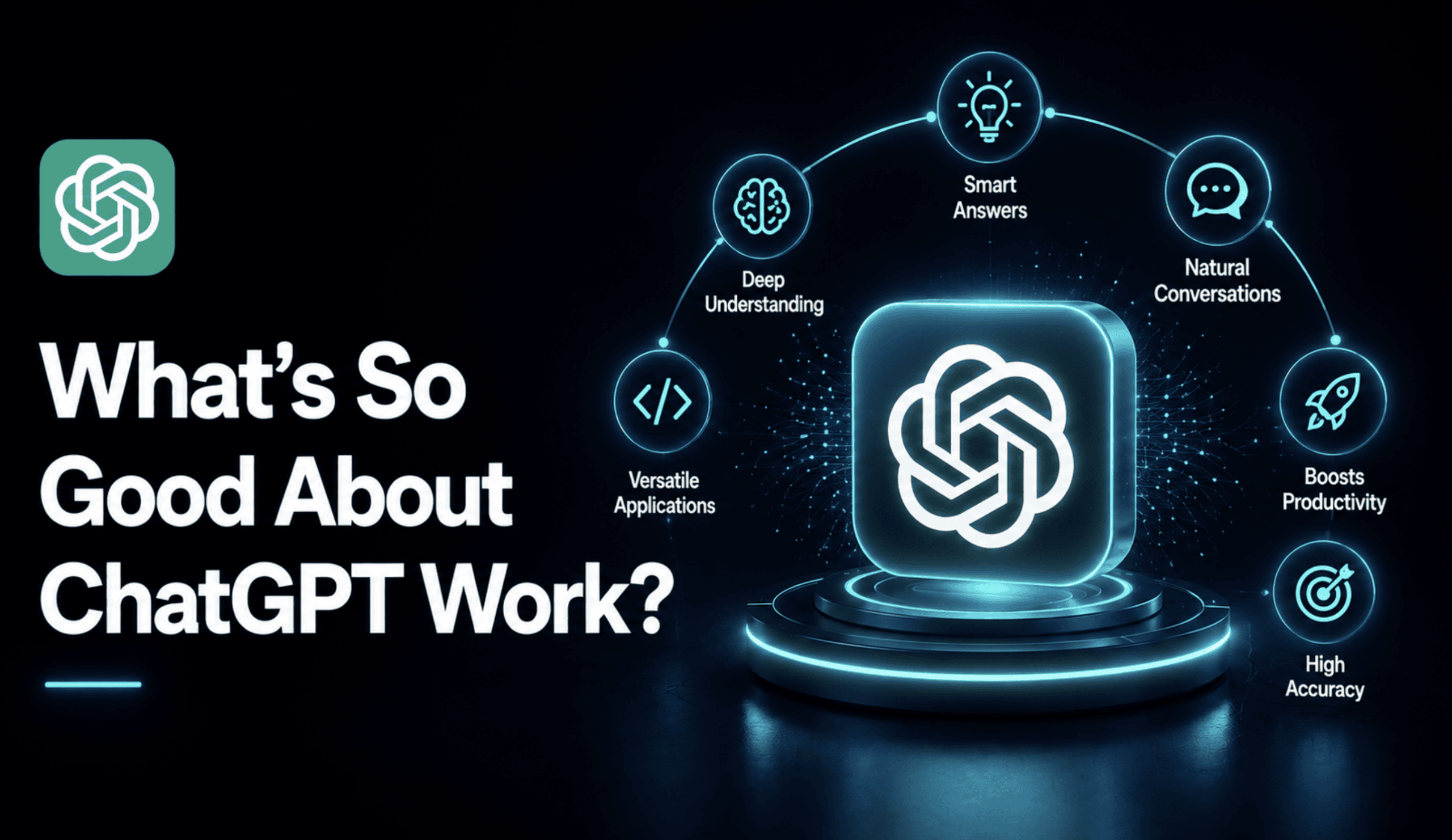
Unlock ChatGPT Work's Potential: A Clear-Eyed Look at Strengths & Limits
ChatGPT Work gets credit where it's earned, but a clear-eyed look matters more than hype. It's a capable tool that simplifies real workflows, yet its limits are just as instructive as its strengths. The models behind it hold their own in many comparisons, but honest assessment beats blind praise. For anyone weighing adoption, this piece cuts through the noise. Curious how verification fits into that picture? Check out "Verify Your AI's Understanding: A Simple Check for Tax Season" for a practical angle.
When feedback vanishes, trust in transparent review systems is tested
Transparency in peer review is fragile when comments vanish without explanation. An AC's summary of reviewer concerns, answered point by point, only to disappear, raises legitimate questions about accountability. Users deserve clarity on whether this is a platform glitch or a deliberate edit. Hiding the trail helps no one, least of all the authors who engaged in good faith. For a deeper look at how structured reasoning can go wrong, our piece on paragraph structure in LLMs offers a useful parallel.
Navigating peer review shifts: strategies for uncertain NeurIPS outcomes
A reviewer dropping a score after you've already addressed most of their concerns is frustrating, especially when no new justification appears. You're right to wonder if the AC can help nudge things forward. In our experience, a silent AC isn't necessarily a bad sign; they often step in only when a paper has strong support or a clear champion.