AI Model Context Protocol Adds Centralised Auth for Enterprise
Our take
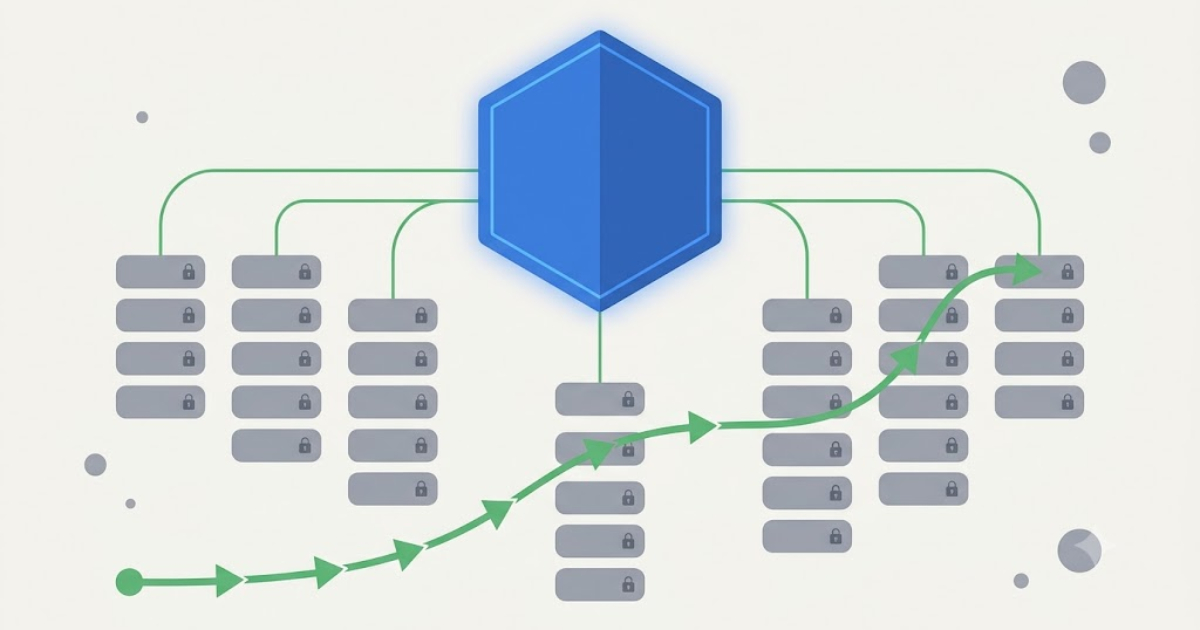
The steady march toward streamlined AI interaction continues with the Model Context Protocol (MCP) team’s promotion of Enterprise-Managed Authorisation (EMA) to stable status. This development addresses a critical pain point for organizations adopting AI models: managing user access and permissions across numerous servers. The promise of a “zero-touch flow” – a single sign-on experience that grants access to approved servers without repeated consent prompts – is a significant step forward in usability and security. As we’ve explored in related discussions, like Presentation: Practical Robustness: Going Beyond Memory Safety in Rust, building robust and secure systems requires more than just foundational safety; it demands thoughtful management of access controls and workflows. This advancement signals a maturing ecosystem where the complexities of AI infrastructure are being tackled head-on, moving beyond basic functionality to prioritize efficient and secure operational practices.
The current landscape often presents a frustrating user experience, requiring constant consent and authentication, especially in environments with numerous AI models and servers. EMA directly addresses this by integrating with existing enterprise identity providers, leveraging familiar authentication mechanisms and centralized access management policies. This isn’t merely a convenience feature; it's a critical element for enabling broader adoption of AI within organizations. Security teams gain greater visibility and control over who accesses what, while users experience a smoother, more productive workflow. Furthermore, the shift aligns with the broader trend highlighted in our Podcast: Spite-Driven Engineering: A New Blueprint for Cloud Security in the AI Native Era, where proactive security measures and a focus on resilience are paramount in the rapidly evolving AI landscape. The ability to centrally manage access to MCP servers reduces the attack surface and simplifies compliance efforts.
The significance of EMA extends beyond individual user convenience and security gains. It represents a broader trend toward standardization and interoperability in the AI infrastructure space. MCP, in general, is aiming to establish a more predictable and manageable environment for deploying and interacting with AI models. This standardization reduces vendor lock-in and allows organizations to build more flexible and adaptable AI solutions. The fact that EMA is now stable suggests a degree of confidence in the protocol’s maturity and adoption potential. Coupled with initiatives like InfoQ Opens AI Security & Privacy Engineering Cohort for Regulated Industries, it highlights the growing focus on responsible and secure AI development and deployment. The move away from per-server authentication towards a centralized model is a logical evolution in the pursuit of scalable and secure AI operations.
Looking ahead, the success of EMA will depend on its ease of integration with existing enterprise identity providers and the level of adoption by both MCP server providers and consumers. While the promise of zero-touch access is compelling, the practical implementation and ongoing maintenance of the integration will be key. A crucial question will be how effectively EMA can adapt to the increasingly diverse and complex authentication methods being employed within organizations. Will the protocol accommodate multi-factor authentication (MFA) seamlessly, or will it require further extensions? The evolution of EMA, and MCP more broadly, will be a key indicator of the industry’s ability to build a truly accessible and secure future for AI-powered applications.
The Model Context Protocol team has promoted its Enterprise-Managed Authorisation extension to stable status, adding a centralised way for organisations to control access to MCP servers through their identity provider. The project states the aim is to replace per-server consent prompts with a zero-touch flow in which users sign in once and then access approved servers without further setup.
By Matt SaundersRead on the original site
Open the publisher's page for the full experience