As rivals chase acquisitions, Peacock bets on bundles through a new deal with YouTube
Our take
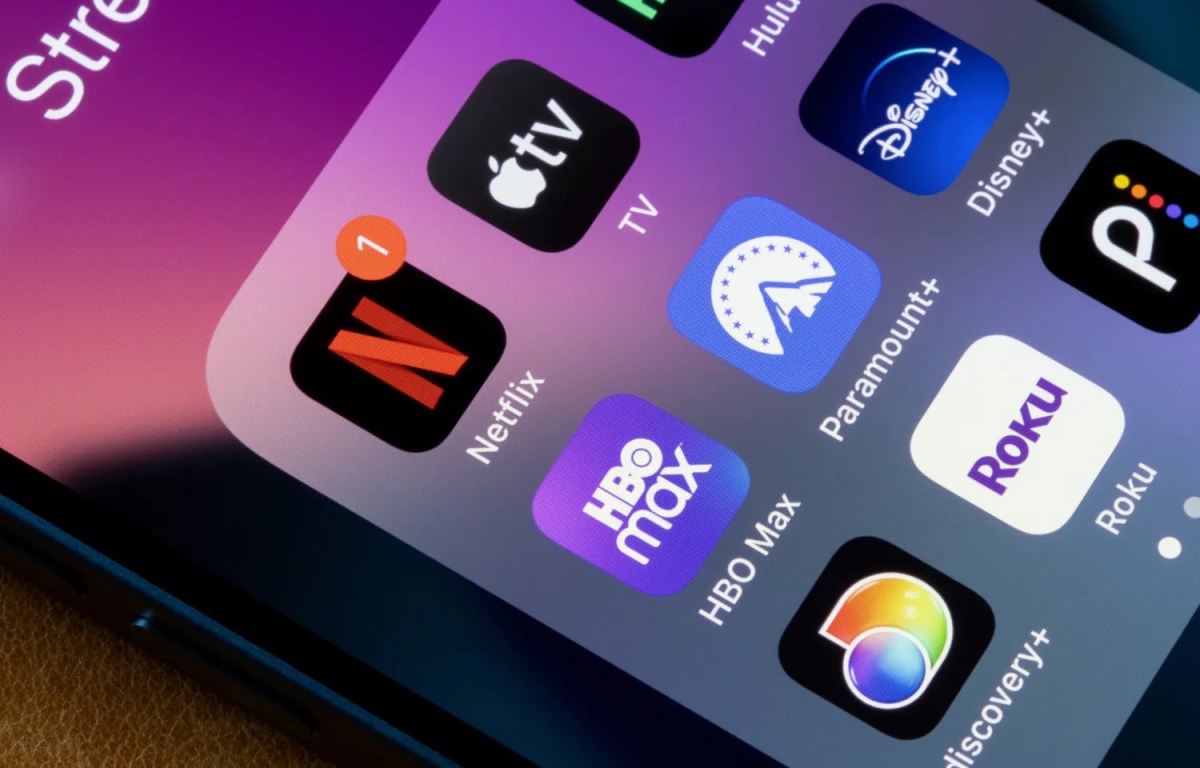
The streaming landscape continues its relentless evolution, and Peacock’s recent partnership with YouTube signals a significant shift in distribution strategy. Rather than solely relying on direct subscriptions or traditional cable bundles, Peacock is embracing a more integrated approach, leveraging YouTube’s massive reach to expand its audience. This move is particularly noteworthy given the current climate where competitors are increasingly resorting to acquisitions to bolster their content libraries. Instead of joining the acquisition frenzy, Peacock is innovating within the existing ecosystem, recognizing the power of established platforms to drive discovery and engagement. This is a strategy that aligns with a future-focused view of content consumption, one where seamless integration across various services will be paramount. It also echoes the findings in [Google’s AI search is rapidly becoming the default, new data shows], highlighting the increasing importance of platforms like YouTube in shaping user behavior and content discovery.
The decision to embed Peacock content directly into the YouTube experience is clever. It removes a significant barrier to entry – the need for users to download a separate app or navigate to a different website. This frictionless access dramatically increases the likelihood of viewers sampling Peacock's offerings. The inherent discoverability within YouTube, where users are already actively searching for and consuming video content, provides a powerful advantage. This contrasts with the often-fragmented experience of navigating various streaming services, each vying for attention. Furthermore, the deal subtly reinforces YouTube's position as a central hub for all forms of video, solidifying its dominance in the digital media space. Observing Netflix’s internal efforts to optimize its LLM serving platform, as detailed in [Netflix Details Its In-House LLM Serving Platform with Triton and vLLM], also provides context. Both companies are recognizing the importance of efficient and scalable infrastructure to support evolving content delivery models.
This approach also addresses a growing concern within the industry – the “AI Slop Problem Nobody's Talking About,” as discussed in [The AI Slop Problem Nobody's Talking About | Substack CEO Interview]. While AI promises to personalize recommendations and enhance content discovery, poorly implemented AI can lead to overwhelming and irrelevant suggestions, ultimately frustrating users. By integrating directly within YouTube’s established recommendation engine, Peacock can leverage YouTube's existing algorithms and user data to ensure its content is presented to the most receptive audiences, mitigating the risk of being lost in a sea of irrelevant suggestions. This focused approach allows Peacock to prioritize quality discovery over a scattershot blast of content promotion. The success of this integration will hinge on the refinement of these recommendation algorithms to ensure a positive user experience, avoiding the pitfalls of generic, AI-driven content overload.
Ultimately, Peacock’s YouTube partnership represents a compelling alternative to the acquisition-driven strategy dominating the streaming wars. It’s a testament to the power of strategic partnerships and a recognition that the future of streaming may not lie in walled gardens, but in interconnected ecosystems. The question now is whether other streaming services will follow suit, realizing that leveraging existing platforms can be a more sustainable and cost-effective path to growth. Will we see more services prioritize integration and discoverability over exclusive content libraries, or will the acquisition race continue to define the streaming landscape?
Read on the original site
Open the publisher's page for the full experience