cross-platform
Beyond Market Intelligence keeps cross-platform in one place: 9 stories so far. The section currently leads with “Google's ML Drift Opens On-Device AI to Any GPU Environment”, “Explore how dotnetup simplifies .NET management without admin rights”, and “Cross-platform AI compression that stays consistent across any hardware”. Google has open-sourced ML Drift, a cross-platform GPU compute engine that finally lets on-device AI run on any GPU environment. Managing .NET SDKs without admin rights has always been a pain. Acme AI is the next-generation, AI-powered spreadsheet platform built to replace Excel and redefine how analysts, data scientists, and enterprise teams work… The list below is every cross-platform story on Beyond Market Intelligence, newest first.

Google's ML Drift Opens On-Device AI to Any GPU Environment
Google has open-sourced ML Drift, a cross-platform GPU compute engine that finally lets on-device AI run on any GPU environment. It abstracts the messy complexity of OpenGL ES, OpenCL, Metal, and WebGPU behind a single Apache 2.0 license. This is the kind of practical infrastructure move that makes AI more accessible. For deeper context on how AI can optimize toolchains, see our coverage of "A 40% Speed Gain: How AI Optimized a Developer Toolkit Overnight."

Explore how dotnetup simplifies .NET management without admin rights
Managing .NET SDKs without admin rights has always been a pain. Microsoft's public preview of dotnetup finally addresses this directly. This cross-platform toolchain manager installs and updates runtimes in your own directory, tracking channels like latest, lts, and preview while cleaning up unused installs. Commands may still shift before general availability, but this is a practical step toward empowering developers stuck with restrictive permissions. For another look at hardware acceleration, see our coverage of TornadoVM 7 bringing GPU power to Java.
Cross-platform AI compression that stays consistent across any hardware
One hash across seven backends proves that integer-only inference can solve the cross-platform compression problem that has long plagued LLM deployment. When float GPT-2 encoded on a Mac decoded zero of four windows on x86, the root cause was clear: floating-point inconsistency across hardware. This project's solution, int8 weights, fixed rounding, and lookup tables, delivers exact reproducibility without sacrificing performance. For deeper context on building efficient AI systems, our "Building a GPT-2 KV Cache" piece explores similar performance measurement challenges.

TikTok Partners on Cross-Platform Effort to Protect Young Users
Eight months after launching its U.S.-based joint venture, TikTok is now bringing other platforms into the fold for industrywide child safety work. That is a smart move. Protecting young users should not be a solo effort, and collaboration across the sector is how real progress gets made. We see this as a practical step forward, one that acknowledges the shared responsibility here. For more on how AI is reshaping user experiences elsewhere, check out "Meta's AI Agent Redefines Mobile Adoption Benchmark.
Bridge iOS and Linux workflows with secure, open-source continuity tools.
If you're tired of juggling your iPhone and Linux machine, Zack Bartel's open-source Tether project is worth a look. It brings Apple's Continuity features to Linux desktops, enabling iMessage sending, clipboard syncing, and iOS notification mirroring over a secure local network. The custom Bluetooth stack is a thoughtful touch, prioritizing reliability without compromising security. It's a practical step toward a more connected, cross-platform workflow. For more on bridging digital gaps, our piece on connecting retrieval and action in AI tasks offers a complementary perspective.

.NET 11 Preview 7 brings passkeys and smarter Hot Reload to MAUI
.NET 11 Preview 7 brings a meaningful step forward for .NET MAUI, with cross-platform passkey support and a rebuilt incremental XAML Hot Reload that should make daily development feel noticeably smoother. Shell route templates and AOT-safe bindings round out a release focused on practical workflow gains. The continued shift from renderers to handlers signals steady architectural maturity. For developers tired of context-switching between platforms, this preview offers tangible reasons to explore what MAUI can do now.

Uno Platform 6.6 Delivers Native AOT and Vulkan Across Five Targets
Uno Platform 6.6 lands with Native AOT publishing across five targets, an optional Vulkan backend, and automatic registration for its Model Context Protocol servers. That last piece matters: it quietly aligns the framework with the broader push toward agent-ready workflows, a theme we explore in our coverage of scaling AI deployments. The reduced XAML boilerplate and expanded WinUI coverage lower the barrier for cross-platform work, while accessibility and multilingual improvements keep the human element central.

SkiaSharp 4.0 aligns release rhythm with upstream Skia milestones
SkiaSharp 4.0 is setting a new rhythm for the project. With the release of versions 4.148.0 and 4.150.0, Microsoft and the Uno Platform are now syncing their package versions directly with upstream Skia milestones. That's a practical move. It gives developers a clearer, more predictable path forward, and the 4.151.0 prerelease shows the cadence is already holding. This isn't just about version numbers; it's about making progress easier to track and adopt.
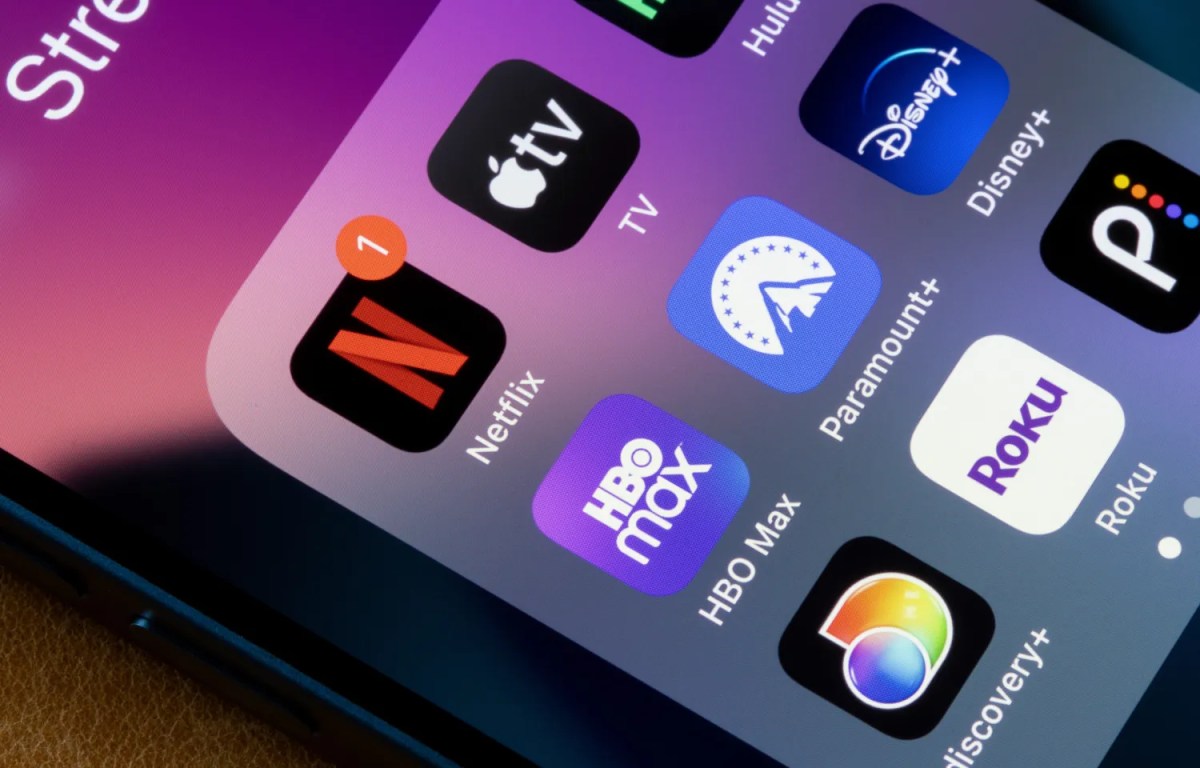
Peacock expands discovery by embedding content directly into YouTube.
Peacock is done chasing the competition through costly acquisitions. Instead, it's betting on reach, and a new deal with YouTube puts its content directly inside the platform where viewers already browse. That is a smart, accessible move for discovery. It removes friction, letting audiences stumble into shows without a detour. For a media landscape crowded with options, this feels like a practical step toward meeting viewers where they are.