Getting Started with GitHub Agentic Workflows
Our take
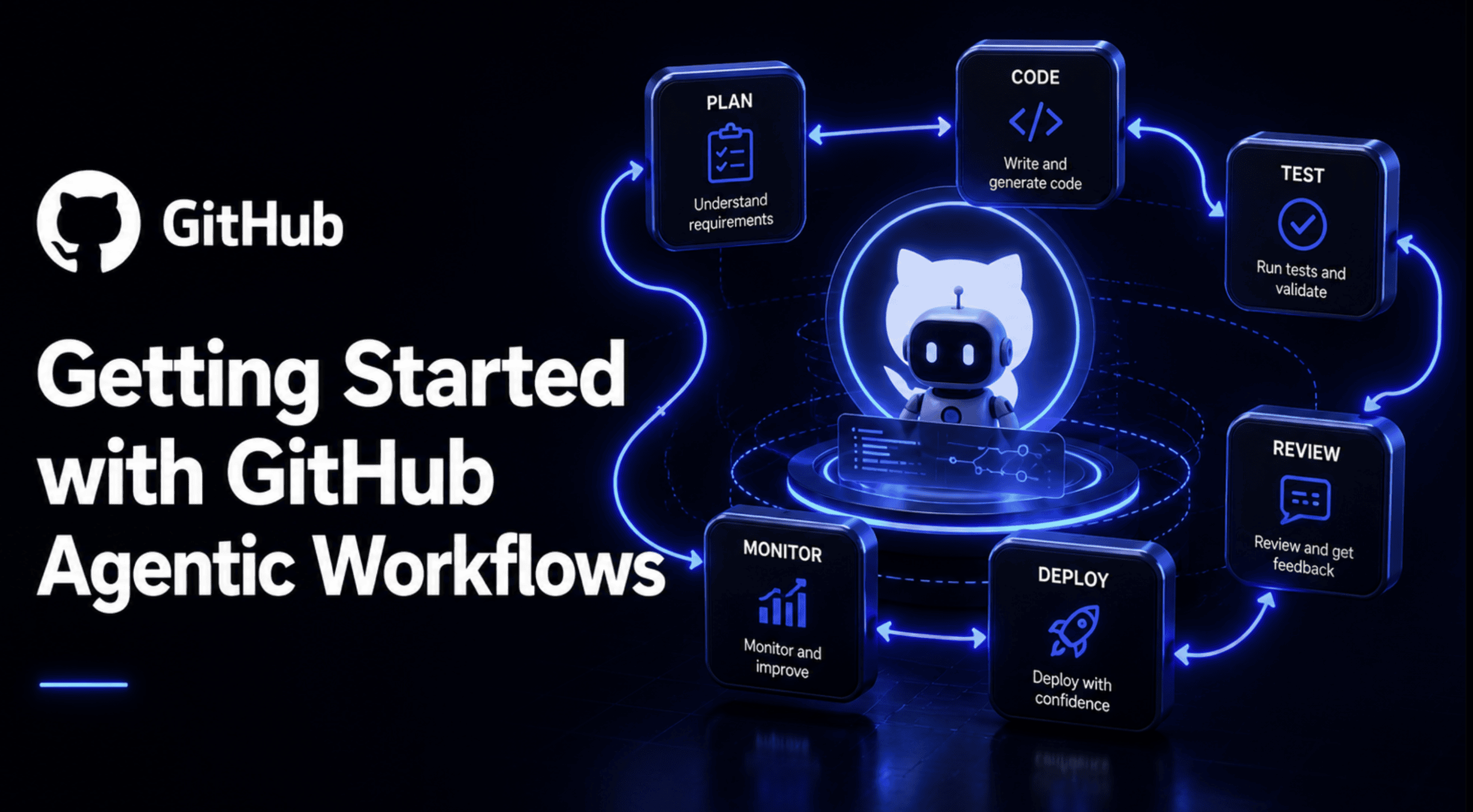
The arrival of GitHub Agentic Workflows in public preview marks a significant step toward realizing the promise of truly intelligent development environments. While the concept of AI agents assisting developers isn't entirely new, GitHub’s approach, tightly integrated within the familiar workflow of code repositories, offers a particularly compelling proposition. It's easy to see why the recent surge of interest in agentic AI is reflected in the rapid adoption of tools like the [Ponytail Agent Skill Corrects Its Own Benchmark After Contributor Challenge]— demonstrating the power of focused, specialized AI agents— and why understanding the broader landscape of small language models is crucial, as detailed in [5 Must-Read Resources for Mastering Small Language Models]. This isn't simply about automating repetitive tasks; it's about fundamentally rethinking how developers interact with code and projects, moving towards a collaborative partnership where AI handles the more tedious aspects, freeing up human developers to focus on higher-level design and problem-solving.
Agentic Workflows essentially allow you to define a set of goals and constraints for an AI agent, which then autonomously executes tasks within your GitHub repository to achieve those goals. Imagine, for example, automatically triaging issues based on severity and assigning them to the appropriate team member, or proactively identifying and addressing potential security vulnerabilities. The key difference here lies in the agent's ability to not just execute a single command, but to reason, plan, and adapt its actions based on the evolving context of the project. This is a departure from more traditional automation tools and reflects a shift towards more dynamic and self-managing systems. Consider, too, the impact of recent changes like [GitHub Introduces Default "Cooldown" Policy for Dependabot Version Updates]; this illustrates a broader trend of thoughtful design to mitigate unexpected consequences as automation becomes more pervasive within development pipelines. The integration with GitHub's existing features, like Actions and Dependabot, creates a powerful ecosystem for these agents to operate within.
The broader significance of Agentic Workflows extends beyond individual developer productivity. It signals a move towards more sophisticated DevOps practices, where AI plays a central role in maintaining code quality, ensuring security, and streamlining the release process. This has implications for teams of all sizes, from small startups to large enterprises. While the initial learning curve might seem daunting for some, the potential return on investment – in terms of increased efficiency, reduced errors, and faster time-to-market – is substantial. We anticipate that as these workflows become more mature and accessible, they will become an increasingly integral part of the modern software development lifecycle. The ability to delegate complex tasks to intelligent agents will unlock new levels of agility and innovation, allowing teams to respond more quickly to changing market demands.
Ultimately, the success of GitHub Agentic Workflows will depend on their ease of use, reliability, and the ability to integrate seamlessly with existing tools and workflows. However, the early signs are promising, and the potential to transform software development is undeniable. As AI continues to evolve, we'll see a greater emphasis on agent-based systems that can reason, learn, and adapt to the unique challenges of each project. The question now becomes: how will developers learn to effectively collaborate with these AI agents, and what new skills will be required to thrive in this increasingly intelligent development landscape?
Read on the original site
Open the publisher's page for the full experience