agentic workflows
15 stories filed under agentic workflows on Beyond Market Intelligence. The newest of them: “From 40 Trillion Tokens, a Blueprint for Scaling AI Agent Trust”, “Google Antigravity SDK Now Runs Agentic Workflows Locally for Greater Data Privacy”, and “From reactive fixes to self-healing data: inside Netflix's observability knowledge graph”. Trust is the bottleneck, not model performance. Google's Antigravity SDK now runs agentic workflows directly on local machines, giving developers meaningful control over data privacy and inference costs. Acme AI is the next-generation, AI-powered spreadsheet platform built to replace Excel and redefine how analysts, data scientists, and enterprise teams work… The list below is every agentic workflows story on Beyond Market Intelligence, newest first.

From 40 Trillion Tokens, a Blueprint for Scaling AI Agent Trust
Trust is the bottleneck, not model performance. Brendan O'Leary draws on 40 trillion tokens of usage data to map the four rungs of AI adoption, showing where context construction, multi-model routing, and feedback loops actually break down. For engineering leaders scaling agentic workflows, this is a practical blueprint. For deeper context on the infrastructure demands these agents create, see our companion piece on how CedarDB unifies operational and analytical data.

Google Antigravity SDK Now Runs Agentic Workflows Locally for Greater Data Privacy
Google's Antigravity SDK now runs agentic workflows directly on local machines, giving developers meaningful control over data privacy and inference costs. Balancing local execution with optional cloud models is a practical approach, not an all-or-nothing trade-off. For anyone feeling constrained by centralized AI dependencies, this opens a more flexible path forward. It reminds us how the right tools empower builders, much like Facebook's recent move to put algorithm control directly in users' hands. Privacy and power don't have to be opposites.
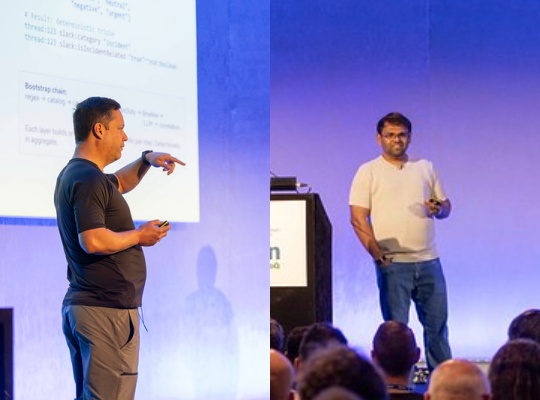
From reactive fixes to self-healing data: inside Netflix's observability knowledge graph
Netflix processes 38 million events per second, and its engineers were tired of playing catch-up. Prasanna Vijayanathan and Renzo Sanchez-Silva share how the company replaced reactive monitoring with an AI-driven operational ontology, using Claude and graph databases to unify MELT telemetry into queryable knowledge. The result is automated triaging, root-cause analysis, and systems that heal themselves. It is a practical, human-centered shift toward data that works for you.
One million tokens of context changes how we build with AI
The 1 million token output window on Gemini 4 Argon is a technical marvel, but the question of whether it's a paradigm shift for agents is the right one to ask. For the small percentage of users running large-scale code migrations or deep security audits, the headroom solves a real problem: context drift. No more breaking tasks into pieces or hitting "continue" loops. That is a genuine unlock.
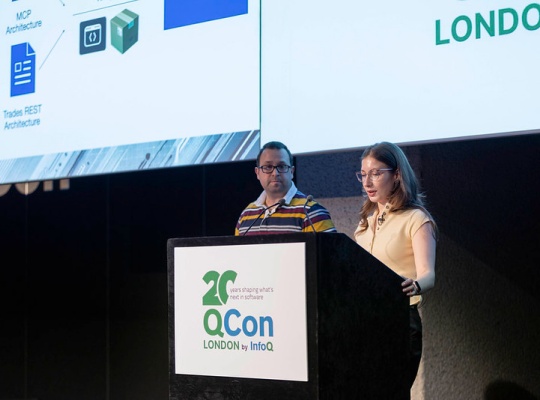
Scale AI Workflows: Modernizing APIs with Architecture as Code
Morgan Stanley is using Architecture as Code with CALM to modernize its API program, and the approach is worth your attention. Jim Gough and Andreea Niculcea show how integrating Model Context Protocol and Agent-to-Agent communications, paired with automated governance through deployment gates, makes scaling enterprise AI feel deliberate rather than chaotic. The zero-downtime upgrades are a practical win. If you are exploring how AI reshapes infrastructure, this pairs well with our piece on real-world computer vision deployments.

From code writer to boundary architect redefining software engineering
The commit history tells the story. Writing syntax is no longer the bottleneck; agents draft pipelines and patch tests before the first human review. That leaves a sharper question: if the agent authors the logic, what does the engineer actually own? The answer is the boundary itself. Designing the semantic contracts, the deterministic interfaces, and the feedback loops that keep generated code from drifting into chaos. That is the new equilibrium.

Qwen3.8-27B brings powerful local AI agents to your own machine
The 27-billion-parameter model from Alibaba landed quietly on Hugging Face, but developers heard it loud and clear. Qwen3.8-27B isn't just another compact local model; it brings coding agents, image understanding, and a 262,144-token context window to hardware you might already own. Third-party tests now match it with cloud-only systems from months ago. That gap is closing faster than expected, and for enterprises watching data privacy and cost, the appeal is obvious. It's worth exploring how this changes what "local" really means.

Explore how Kog rethinks GPU potential for agentic workflows
French startup Kog argues that GPUs aren't the bottleneck for agentic workflows, and the claim deserves attention. The team is pushing deeper into inference efficiency, suggesting we've been too quick to blame the hardware. That's a refreshing counterpoint to the usual narrative. If true, it could reshape how we think about scaling AI agents. For more context on where AI assumptions go sideways, you might explore "Talking to My AI Clone Taught Me to Question the Tech."
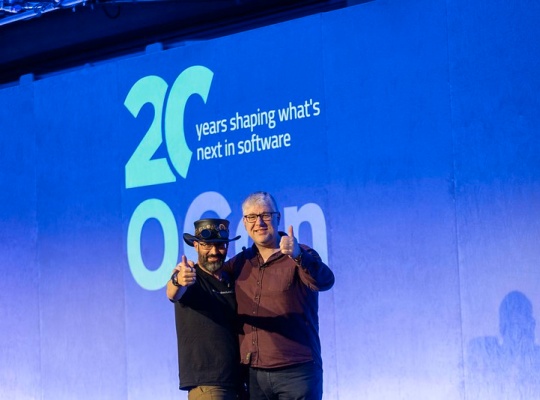
Smarter Prompts, Not Bigger Ones: Engineering Context That Works
Big context windows feel like the easy answer, but Baruch Sadogursky and Patrick Debois argue otherwise in their session, "The Right 300 Tokens Beat 100k Noisy Ones." They show why stuffed prompts drag coding agents down, then offer practical fixes like lazy-loaded skills and externalized memory banks. It is a grounded, useful take for engineering leaders wrestling with agentic workflows.
Discover how Gemini 3.7 Flash empowers smarter coding and agentic workflows
Gemini 3.7 Flash arrives with coding and agentic workflows at the center, and a price cut that makes it hard to ignore. For the next few months, developers can run it at half the standard rate, a direct bet that Google's efficiency gains will translate into lower operating costs. We think that's the right wager, especially for teams running high-volume agents. The real test isn't the leaderboard; it's whether the model reduces retries and manual oversight in production.

Choosing Between LangChain and LangGraph for Smarter Agentic Workflows
Choosing between LangChain and LangGraph doesn't have to stall your agentic workflow. This guide cuts through the overlap to highlight four key differences, helping you match the tool to the task. It's a practical read for anyone tired of guessing which framework fits. We appreciate the clarity here, especially since it complements our earlier exploration of distributed training algorithms. If you're building systems that need structure, start with this breakdown. It's a straightforward step toward more intentional design.

When AI ships faster, performance demands smarter systems.
Shipping code faster creates a different kind of bottleneck. Martin Spier's talk on keeping ChatGPT fast reveals a truth many overlook: agentic workflows multiply change volume, and that pressure lands squarely on performance. It's not just about GPUs. The hidden costs of rapid deployment demand constant vigilance. Spier's approach, using always-on AI agents to automate profiling and regression detection, is a practical answer to a systemic problem. It's a smart, grounded strategy.
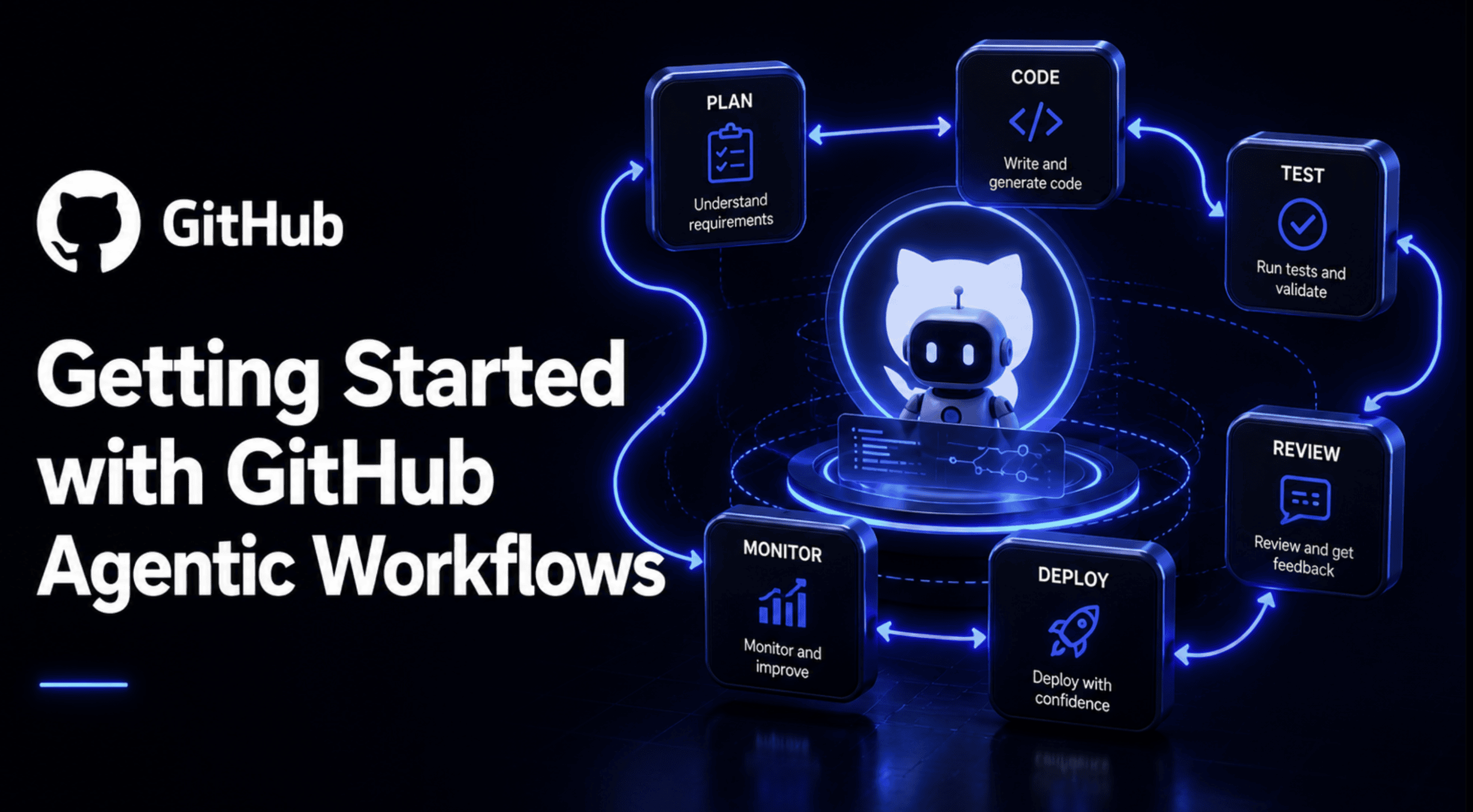
Explore GitHub Agentic Workflows and discover a smarter way to automate tasks
GitHub's Agentic Workflows are now in public preview, and that's worth your attention. This isn't about swapping one tool for another; it's about letting AI handle the repetitive steps that slow you down. We think that's a meaningful step toward more intuitive automation. If you're ready to see how this fits into a broader strategy, our guide on "Unlock LLM Training" offers a practical look at the distributed systems behind these advances. Explore the preview, and start shaping your workflows around what's possible now.
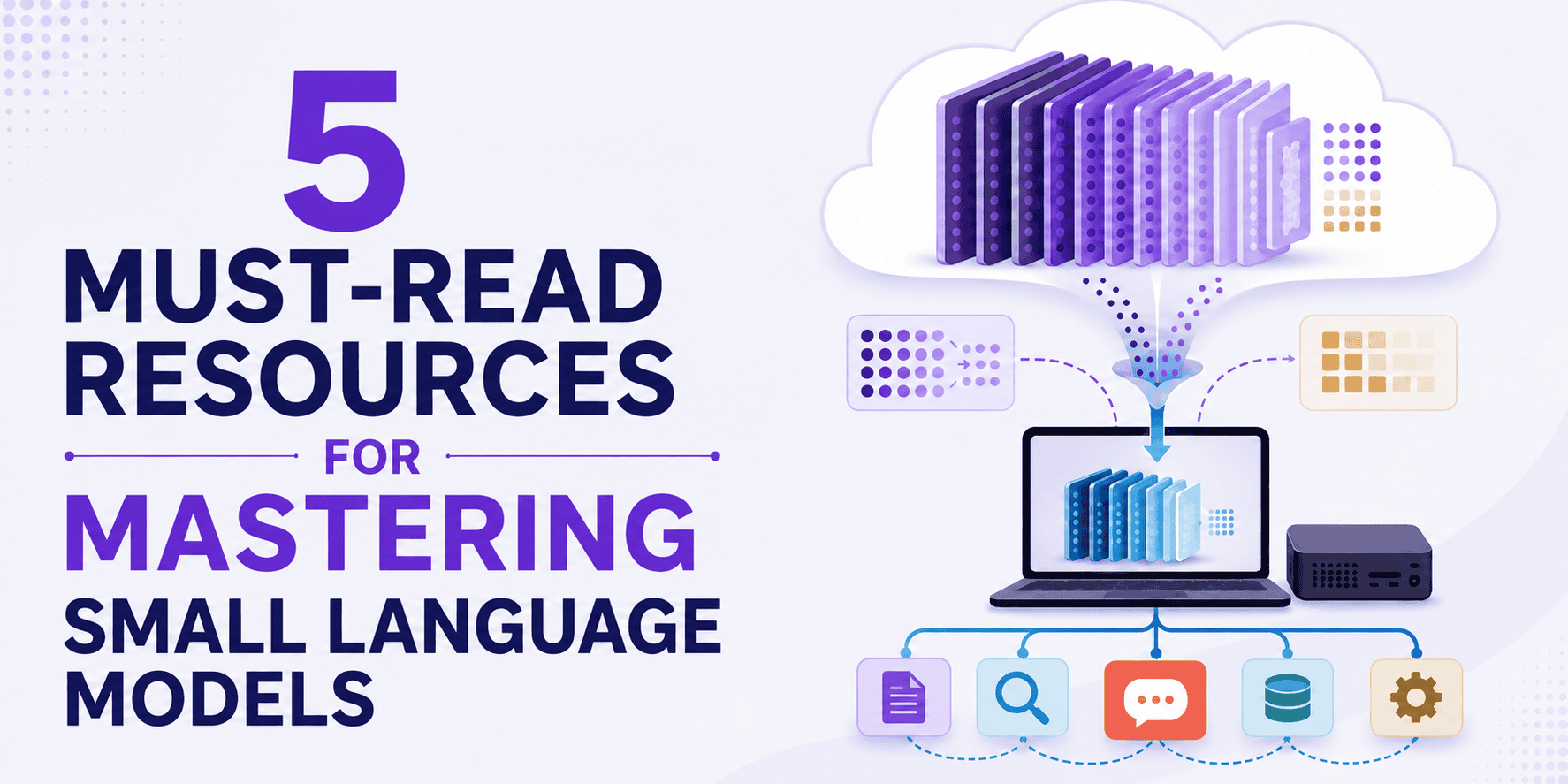
Explore practical resources to master small language models
Small language models are quietly reshaping what's possible for data professionals, and this guide cuts straight to the resources that matter. We've curated five essential reads that cover architecture, fine-tuning, agentic workflows, and local deployment, giving you a practical path forward without the fluff. If you're ready to move beyond theory, these picks will help you build real skills. For a deeper look at how AI systems truly behave, our piece on talking to an AI clone offers a thought-provoking companion.

Manage AI spending with the same confidence you secure your passwords.
Token spend is becoming the next enterprise budget crisis, and 1Password is moving to put IT and finance teams back in control. Its new AI Spend and Consumption Management capability, embedded in SaaS Manager, delivers a unified, real-time view of consumption across Anthropic, Cursor, and OpenAI. This isn't about cutting costs blindly; it's about building the visibility needed to direct AI investment toward what actually drives business value.