Here’s Why WebMCP is Exciting
Our take
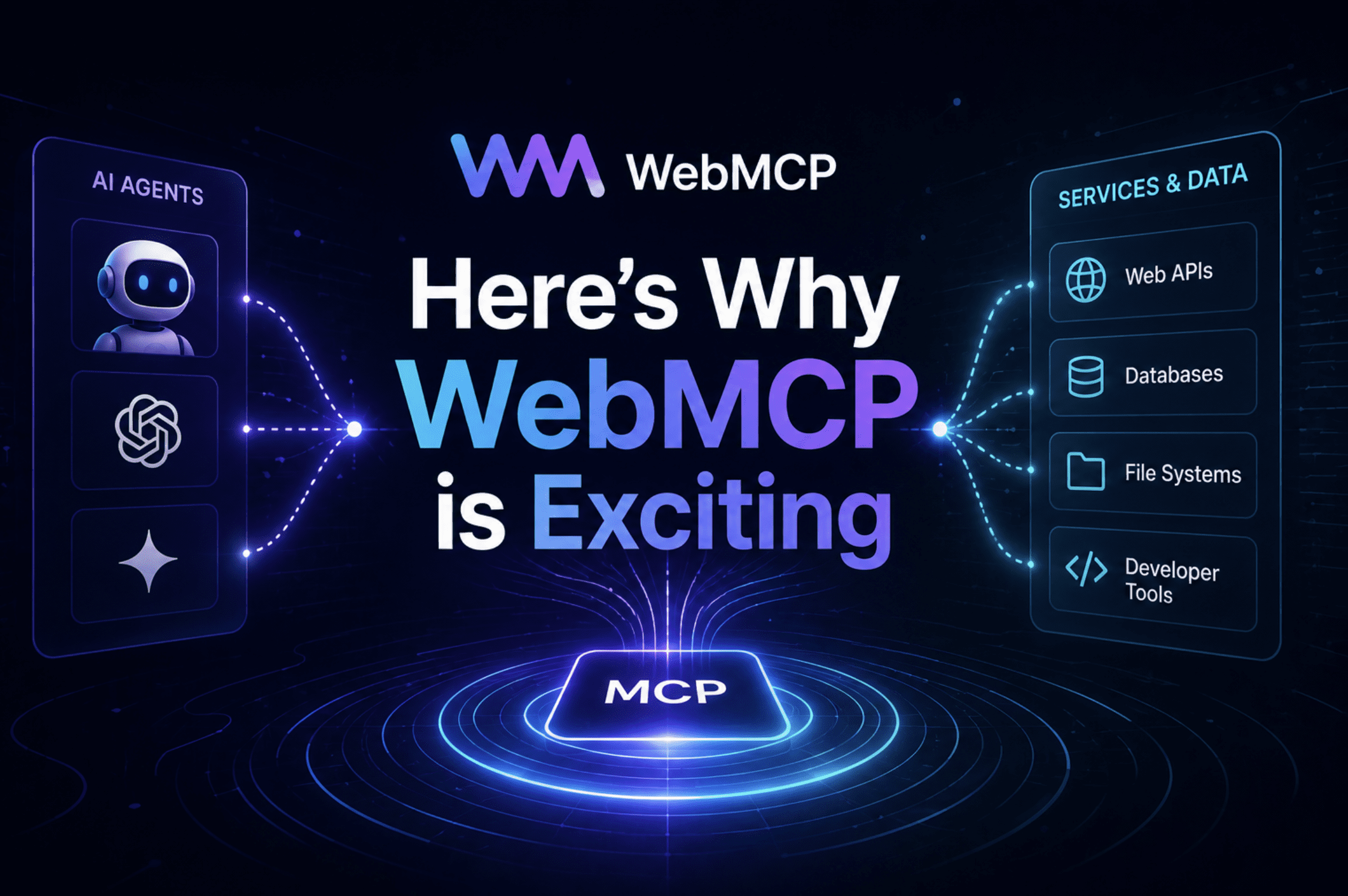
The emergence of WebMCP as an open web standard signals a fascinating shift in how we interact with data and functionality online. It's not merely about exposing tools; it’s about creating a standardized interface for browser-based agents—essentially, AI assistants—to directly utilize the capabilities embedded within websites. This move aligns with the broader trend of democratizing access to complex computational resources and extends the reach of AI beyond standalone applications. We’ve seen a growing need for data scientists to possess a strong mathematical foundation; The Math Skills Every Aspiring Data Scientist Needs to Master Before Writing a Single Line of Code highlights the fundamental building blocks upon which these new AI-powered integrations will rely. WebMCP offers a pathway to leverage existing web infrastructure for advanced automation and intelligent task execution, moving beyond simple scripting and towards a more seamless integration of AI logic.
The excitement surrounding WebMCP stems from its potential to unlock new levels of automation and personalization across the web. Consider the implications for complex workflows—imagine an AI agent automatically filling out forms, extracting data from reports, or even executing complex calculations directly within a website’s environment. The standardization provided by WebMCP fosters interoperability, allowing different AI agents to interact with various websites in a consistent manner. This contrasts sharply with the often-fragmented landscape of web scraping and custom integrations, which are prone to fragility and maintenance overhead. Microsoft’s recent enhancements to Azure Kubernetes Service, detailed in Microsoft Expands Azure Kubernetes Service with Bare Metal, Fleet Management and AI Infrastructure, further underscore this trend towards more sophisticated and scalable infrastructure supporting these types of AI-driven applications. The ability to orchestrate and manage such agents at scale will become increasingly critical as WebMCP adoption grows.
However, the successful implementation of WebMCP hinges on addressing several key considerations. Security is paramount—carefully defining access controls and authentication mechanisms will be essential to prevent unauthorized access and malicious use of website functionalities. The standard itself must also be designed with accessibility in mind, ensuring that both the tools exposed and the agents consuming them are usable by individuals with diverse needs. Furthermore, the inherent complexity of web applications means that not all sites are equally amenable to WebMCP integration. A focus on providing clear documentation and supportive tooling for developers will be crucial to accelerating adoption and realizing the standard’s full potential. The lessons learned from past infrastructure failures, as explored in Presentation: The Time It Wasn't DNS, serve as a reminder of the importance of robust design and rigorous testing in any new system, particularly one with the potential for widespread impact.
Looking ahead, WebMCP represents a significant step towards a more intelligent and interconnected web. It moves us closer to a future where AI agents can proactively assist users in navigating and interacting with online resources, automating tedious tasks and unlocking new levels of productivity. The ability to programmatically interact with web applications opens up exciting possibilities for customized user experiences and data-driven workflows. The key question now is how quickly developers and website owners will embrace this standard and begin to integrate it into their systems—and whether the ecosystem built around WebMCP will prioritize security, accessibility, and ease of use to ensure its long-term success.
Read on the original site
Open the publisher's page for the full experience