How Elon Musk will increase his power through the SpaceX IPO
Our take
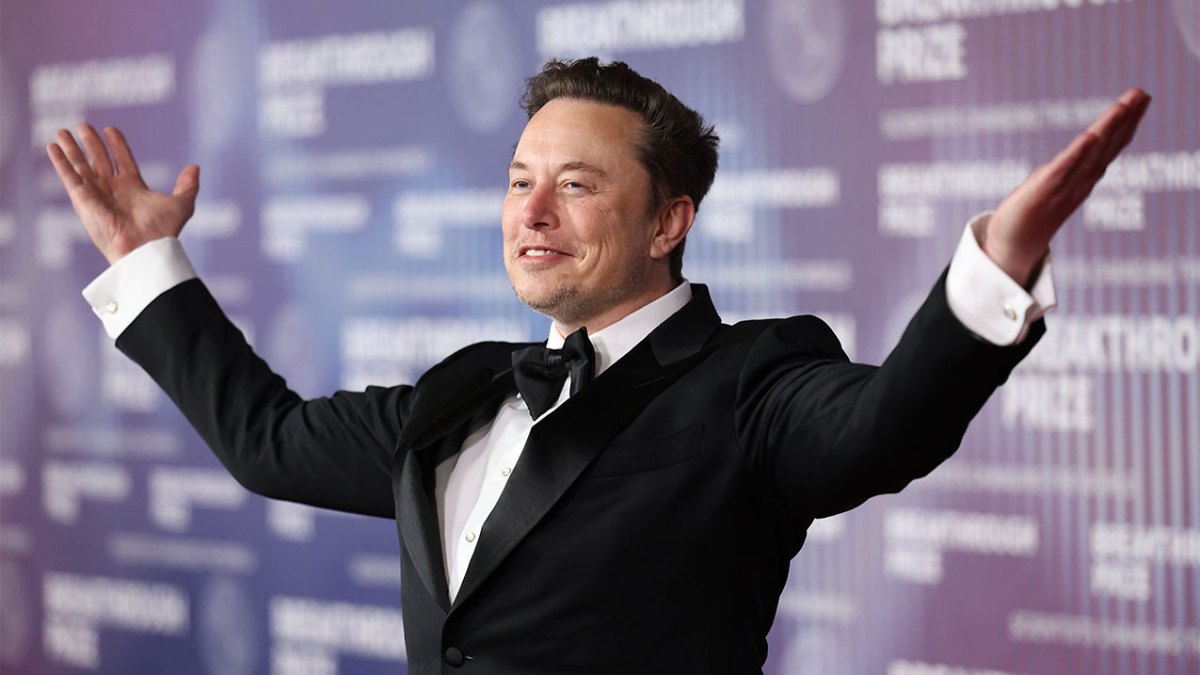
Elon Musk's anticipated control over SpaceX following its forthcoming IPO raises significant questions about the balance of power in the tech and aerospace industries. With Musk set to retain more than 50% of the voting power, he is positioned to exert a level of influence that far exceeds that of most tech founders. This dynamic has profound implications not only for SpaceX as a company but also for the broader landscape of public enterprises. As noted in our recent article, "Forget ‘TechnoKing’: Elon Musk will really be king at SpaceX," this translates into what can only be described as a monarchical grip on the company, allowing Musk to steer its direction with minimal checks.
Such concentration of power is unprecedented in a publicly traded company, where typically, founding figures maintain influence but do not dominate decision-making to this extent. Musk's approach suggests a shift in how we understand corporate governance in high-tech industries, especially those dealing with groundbreaking technologies like space travel. The implications of this are twofold: on one hand, it allows for swift decision-making and a clear vision, which can be crucial in industries that require rapid innovation and adaptation. On the other hand, it raises concerns about accountability and the potential for unilateral decision-making that might sideline stakeholder interests. This is particularly relevant given the risks associated with space exploration, as highlighted in our recent piece, "Who will benefit most from SpaceX IPO? Mostly Elon — and a few from his inner circle."
Moreover, Musk's dominance may shape investor perceptions and behaviors in ways that could redefine their expectations from tech companies. Investors in this IPO will be weighing the merits of a company led by a visionary who has consistently pushed the boundaries of what is possible. However, they must also reconcile this with the risks associated with such concentrated control, particularly in a sector where failures can have catastrophic consequences. As SpaceX continues to innovate, with projects like the recent scrubbing of the first Starship V3 launch (SpaceX scrubs first Starship V3 launch just before liftoff), the scrutiny on Musk's leadership will likely intensify, raising questions about the balance between innovation and oversight.
This situation invites a broader conversation about corporate governance in the tech world, especially as more companies look to public offerings. Musk’s model may inspire other founders to seek similar arrangements, potentially leading to a new norm where control remains tightly held by individuals rather than being distributed among a board of directors or shareholders. As we watch the developments around the SpaceX IPO unfold, one must consider the future implications of Musk's leadership style. Will his approach lead to unparalleled growth and innovation, or will it create an environment where accountability is compromised?
As we look ahead, the SpaceX IPO stands as a pivotal moment in corporate governance, and the outcomes may set the stage for how power is perceived and enacted in the tech sector moving forward. The balance of ambition and responsibility will be a critical theme to monitor as this narrative progresses, shaping not just SpaceX, but the entire landscape of public technology companies.
Read on the original site
Open the publisher's page for the full experience