Pinterest Uses Content Fingerprints for URL Deduplication Across Millions of Domains
Our take
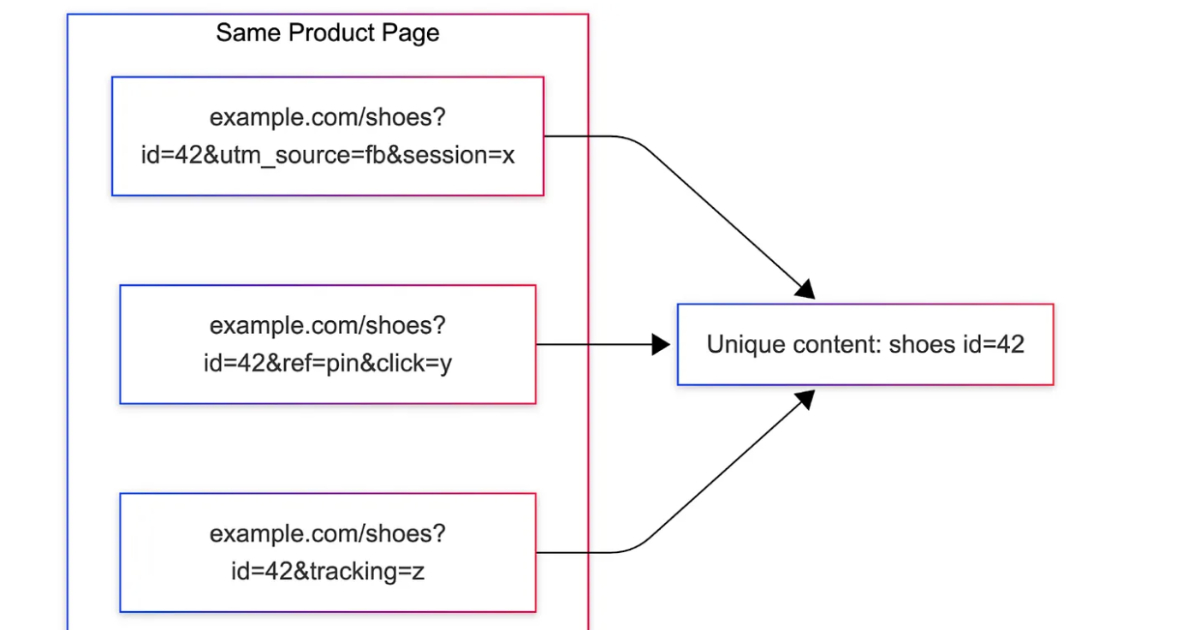
Pinterest's introduction of the MIQPS URL normalization system marks a significant step forward in how large-scale content platforms manage data. By leveraging rendered content fingerprints to identify which query parameters affect page identity, Pinterest is addressing a longstanding challenge in web data management: the proliferation of duplicate content across millions of domains. This approach moves beyond traditional, rule-based methods to a more sophisticated model that incorporates offline analysis and anomaly detection. As seen in other tech advancements, such as AWS Releases Next Generation of Amazon OpenSearch Serverless, this evolution reflects a broader trend toward systems that enhance efficiency and scalability in content processing.
The significance of MIQPS lies in its ability to drastically improve ingestion efficiency within Pinterest's content pipelines. In a digital landscape where the volume of information is constantly growing, the need for effective deduplication is more pressing than ever. By replacing cumbersome rule-based approaches with a more dynamic framework, Pinterest not only streamlines its operations but also sets a new standard for data management practices in the industry. This shift may resonate with other tech giants as they too seek to refine their content ingestion processes. It mirrors the challenges faced by platforms like Google, which has dealt with its share of complexities in the AI space, as highlighted in the article comparing Google AI Studio vs Gemini App: What’s the Difference?.
From a user perspective, the implications of this development are substantial. As Pinterest enhances its ability to manage and present content, users will likely benefit from a more streamlined and valuable experience. The platform's focus on reducing duplicate processing allows it to deliver fresh, relevant content more efficiently, thereby improving user engagement. Such enhancements contribute to a more human-centered approach, aligning with the expectation that digital tools should simplify tasks and elevate productivity rather than complicate them. This strategic pivot reflects a growing recognition within the tech community that user outcomes must take precedence over mere technical prowess.
Looking ahead, the implementation of MIQPS prompts critical questions about the future of content management and data processing technologies. As more companies adopt similar innovative strategies, we may witness a paradigm shift in how we perceive the role of AI in data handling. The evolution of content ingestion systems could lead to new standards in the industry, ultimately fostering a more user-friendly digital experience. Stakeholders should watch for how other platforms react to this shift and whether they adopt similar methodologies to address their unique challenges. The ongoing evolution of tools like MIQPS demonstrates a promising trajectory toward a future where data management is not just efficient but also deeply attuned to user needs.
Pinterest introduced MIQPS, a URL normalization system that identifies which query parameters affect page identity using rendered content fingerprints. It reduces duplicate processing across millions of domains by replacing rule-based approaches with offline analysis, anomaly detection, and runtime parameter maps, improving ingestion efficiency and scalability in large-scale content pipelines.
By Leela KumiliRead on the original site
Open the publisher's page for the full experience