Sam Altman’s biometric startup World raises $52.5M via crypto sale
Our take
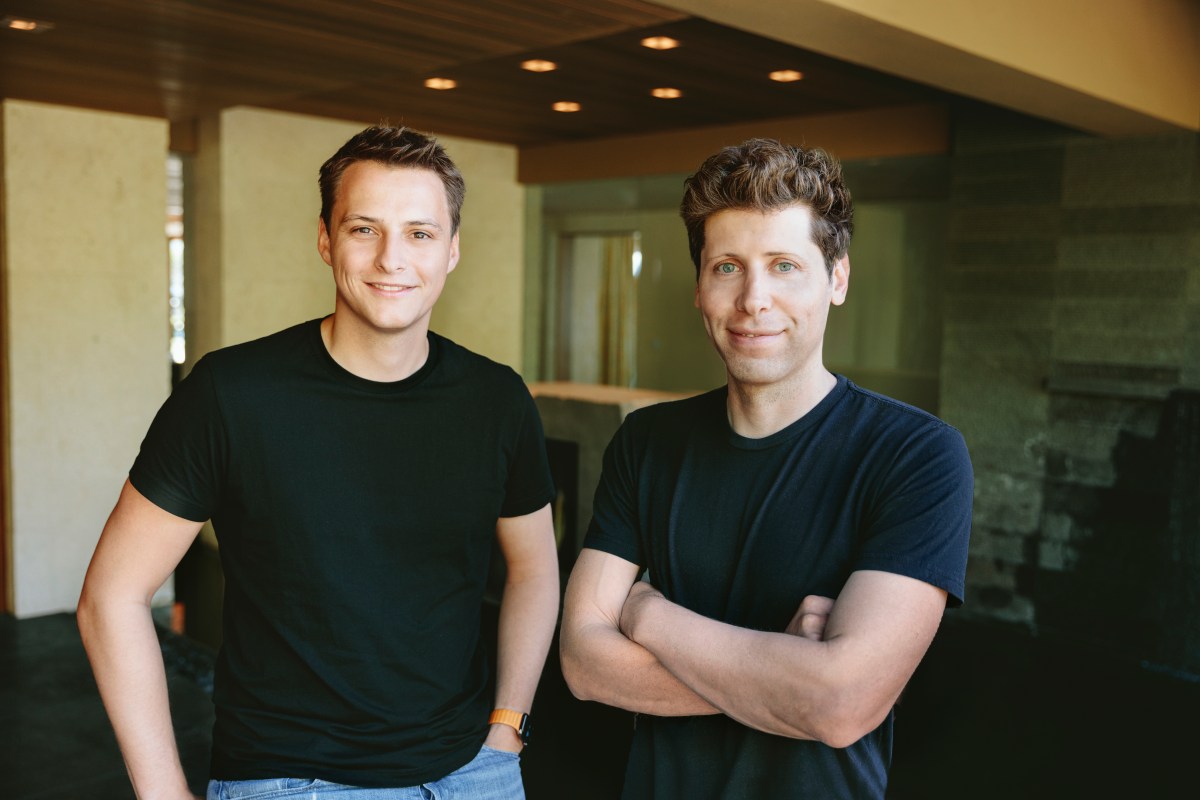
Sam Altman’s continued exploration of ventures beyond OpenAI is increasingly becoming a narrative in itself, and the $52.5 million raised by his biometric startup, World, through a crypto sale underscores this trend. It's fascinating to observe how Altman, already a central figure in the AI revolution, is simultaneously investing in technologies that could fundamentally reshape identity and data ownership. The sheer ambition of World – scanning the world's eyeballs to create unique digital identifiers – is striking, particularly when considered alongside the recent developments in the AI hardware space. For instance, AI chip startup Etched [AI chip startup Etched defies skeptics, hits $10.3B valuation from big-name investors ] has garnered significant attention for its innovative components, demonstrating a broader investor appetite for foundational technologies supporting the AI ecosystem. Similarly, Anduril’s reported discussions to raise funding at a $100 billion valuation [Anduril reportedly in talks to raise funding at $100B valuation, more than 3x last year’s mark] highlights the substantial capital flowing into companies building the infrastructure that will underpin future technological advancements.
The decision to utilize a crypto sale to secure funding is noteworthy. While it introduces complexities regarding regulation and adoption, it also aligns with World’s vision of decentralized identity and potentially offers a more direct connection to early adopters who value privacy and control over their data. The inherent tension here is obvious: a system reliant on biometric data, arguably the most sensitive form of personal information, is being financed through a decentralized, often opaque, financial mechanism. This contrasts somewhat with OpenAI’s own push into healthcare, demonstrated by the wider release of ChatGPT Health [OpenAI makes ChatGPT Health available to all US users], which, while utilizing user data, operates within a more established regulatory framework. The success of World will hinge not only on the accuracy and security of its technology but also on its ability to navigate the evolving legal and ethical landscape surrounding biometric data and cryptocurrency.
The broader significance of World’s funding round extends beyond the individual company. It points to a growing interest in alternative identity solutions, driven by concerns about data breaches, identity theft, and the limitations of traditional authentication methods. While the concept of iris-based identification isn’t novel, World’s ambition to scale it globally, coupled with Altman’s influence, suggests a serious attempt to create a universal digital identifier. The technical challenges are immense, including ensuring accuracy across diverse populations and preventing potential misuse or coercion. The ethical considerations are even more profound, raising questions about privacy, surveillance, and the potential for discrimination. Successfully addressing these challenges will require a level of transparency and public trust that few biometric identification systems have achieved.
Ultimately, World’s venture forces us to confront a fundamental question: how do we reconcile the desire for increased security and efficiency with the need to protect individual privacy in an increasingly digital world? The ability to create universally unique digital identifiers carries both tremendous promise and significant risk. We’ll be watching closely to see how World approaches the challenges of implementation and regulation, and whether its vision of a biometric future can be realized responsibly.
Read on the original site
Open the publisher's page for the full experience