The Path to Sovereign Data: Challenges and Priorities in Local-First Computing
Our take
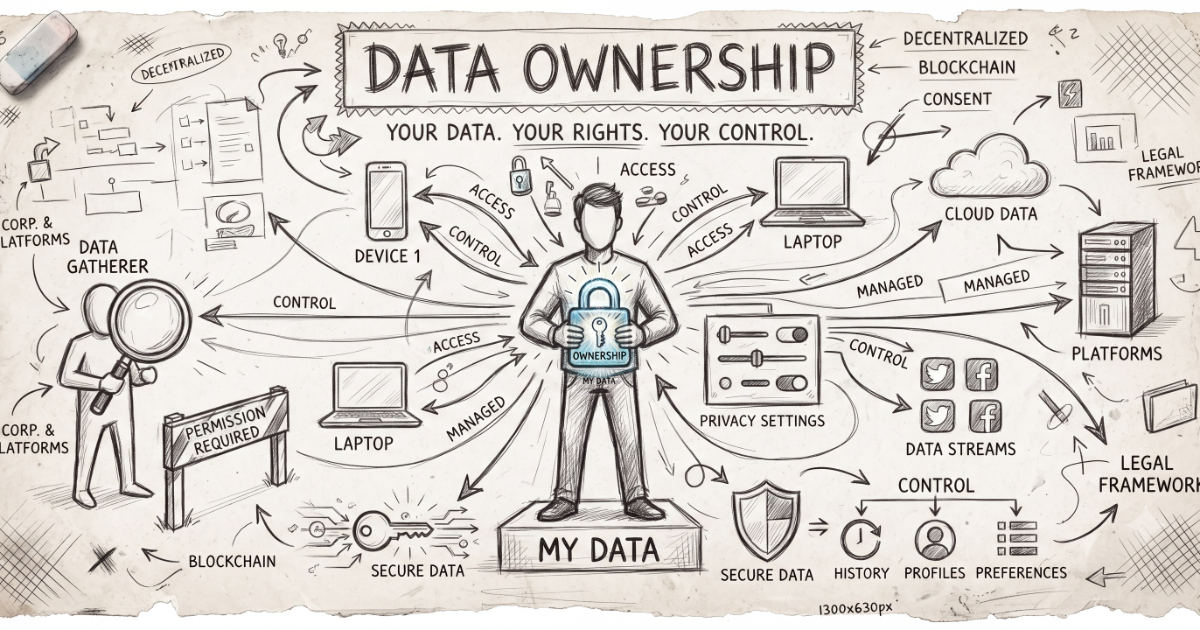
The conversation around data ownership has rapidly evolved beyond the simplistic notion of account control, and the recent InfoQ panel discussion on “The Path to Sovereign Data” perfectly illustrates this shift. It’s no longer enough to simply have a password and the ability to delete your profile; true data sovereignty demands structural independence, interoperability, and a degree of community governance. This perspective aligns with the growing recognition that centralized data silos, regardless of how user-friendly their interfaces, ultimately limit individual agency. The panel's emphasis on shared standards and unbundled platforms echoes the foundational principles of open-source software, emphasizing collaboration and preventing vendor lock-in. We’ve seen similar concerns explored in practical application within the machine learning space; for instance, the challenges of measuring video similarity, as detailed in How to Measure Video Similarity: 6 Techniques I Tested (and the One I Shipped), highlights the difficulty of achieving true comparability and portability when relying on proprietary algorithms and formats. This underscores the need for standardized approaches to data representation and processing which the panel clearly advocates for.
The core argument – that data ownership requires more than just access rights – is particularly relevant in a world increasingly shaped by AI. As machine learning models devour vast datasets to train on, the question of *whose* data is being used, and to what ends, becomes paramount. The work of optimizing ANN models for price prediction, as described in [Obtaining Irregular Learning Curves with Hyberband Tuned ANN model for Price Prediction [P]](/post/obtaining-irregular-learning-curves-with-hyberband-tuned-ann-cmrj6b11v09k7kwjwtpkvrctl), demonstrates the complexities of model training and the potential for bias to be embedded within algorithms. Imagine this process happening not with data controlled by a single entity, but with data contributed and governed by a community – the potential for fairer, more transparent outcomes is significant. The discussion also raises important questions about the role of standards bodies and regulatory frameworks in facilitating this transition. The current system, where acceptance processes for conferences like ACL are often opaque, as explored in How does *ACL conferences acceptance work [D, highlights the need for greater transparency and accountability across various technological domains.
The call for "better tools" to support user sovereignty is perhaps the most actionable element of the panel’s discussion. These tools shouldn't just be about encryption or secure storage – they need to empower users to understand how their data is being used, to control who has access to it, and to easily migrate their data between platforms. This requires a fundamental rethinking of how we design data management systems, moving away from the traditional model of centralized control toward a more decentralized, user-centric approach. The emphasis on interoperability is critical here. Data should be able to flow freely between different applications and services, without being trapped within walled gardens. This vision aligns perfectly with our own focus on AI-native spreadsheet technology – a space where data portability and user control are not afterthoughts, but core design principles.
Ultimately, the push towards sovereign data represents a critical evolution in how we think about technology and its relationship to individual agency. It’s a recognition that data is not just a commodity to be extracted and monetized, but a fundamental asset that should be controlled by the people who create it. As we move further into an AI-driven future, the ability to exercise true data sovereignty will become increasingly important – not just for individuals, but for the health and resilience of our digital society. The question now is: how can we accelerate the development of the necessary tools, standards, and governance models to make this vision a reality, and what new challenges will emerge as we attempt to decentralize power in the data ecosystem?
A panel on data ownership challenged the definition of "ownership," arguing it must extend beyond simple account control to include structural independence, interoperability, and community governance. Speakers like Zenna Fiscella, Paul Frazee, Boris Mann, and Robin Berjon emphasised the need for shared standards, unbundled platforms, and better tools to support user sovereignty.
By Olimpiu PopRead on the original site
Open the publisher's page for the full experience