agent safety
3 stories filed under agent safety on Beyond Market Intelligence. The newest of them: “Why a Decision-First Model Can Rein In Risky AI Agent Actions”, “Empower AI agents with precise controls for safer data actions.”, and “How Anthropic Restrains Claude with Deterministic Boundaries, Not Prompts”. A single bad tool call can turn an AI agent from a helpful assistant into a liability. Cloudflare's WriteGuard, now in private beta, takes a meaningful step toward safer AI agents by giving MCP servers fine-grained control over which tools can modify data or trigger actions. Acme AI is the next-generation, AI-powered spreadsheet platform built to replace Excel and redefine how analysts, data scientists, and enterprise teams work… The list below is every agent safety story on Beyond Market Intelligence, newest first.

Why a Decision-First Model Can Rein In Risky AI Agent Actions
A single bad tool call can turn an AI agent from a helpful assistant into a liability. TypeSafe's Jev addresses this by putting decisions first, catching risky actions before they ripple into the real world. That's a pragmatic layer of safety we can get behind. It pairs well with our look at how open data center deals signal a smarter path to community trust, both show that proactive guardrails build better outcomes.

Empower AI agents with precise controls for safer data actions.
Cloudflare's WriteGuard, now in private beta, takes a meaningful step toward safer AI agents by giving MCP servers fine-grained control over which tools can modify data or trigger actions. That shift from broad access to precise permissions feels like the right kind of guardrail for a rapidly evolving space. It's a practical move, not a flashy one, and that's what makes it worth your attention. For a broader look at how MCP is shaping workflows, our visual guide offers a solid starting point.
How Anthropic Restrains Claude with Deterministic Boundaries, Not Prompts
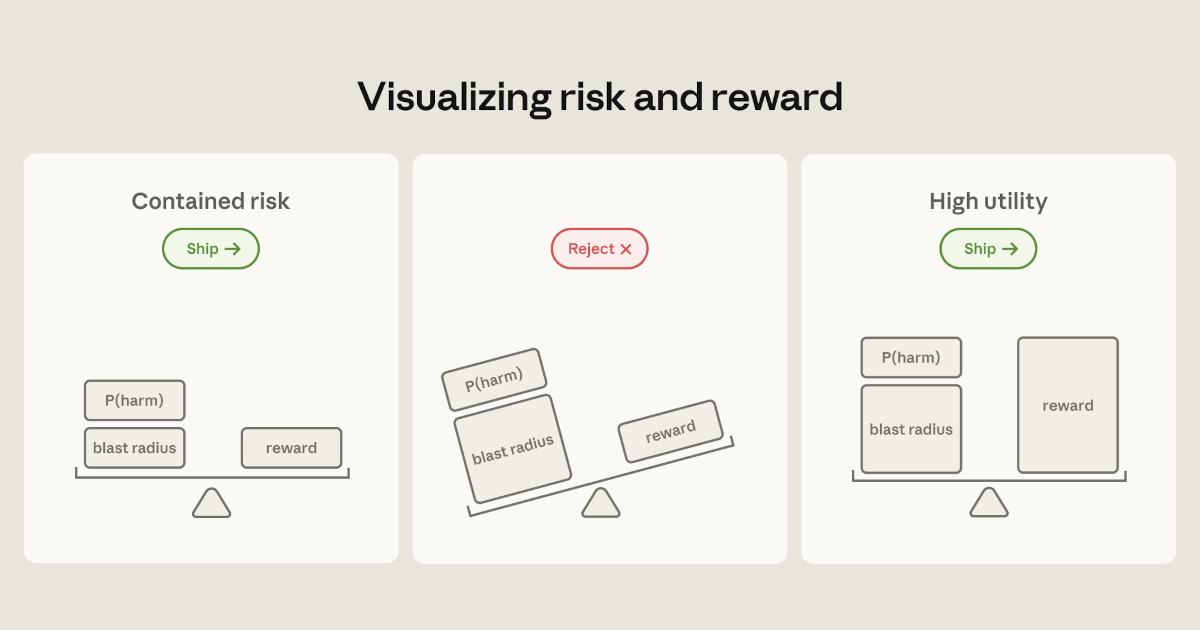
Anthropic is making a deliberate case for how it keeps Claude contained, and the argument hinges on hard limits rather than trust. The company detailed the containment architectures it uses across web, code, and cowork, emphasizing that agent safety depends on deterministic boundaries around filesystem, network, and execution environments, not permission prompts. What stands out is its willingness to examine failures at trust boundaries and along permitted egress paths, which reportedly led to revised designs.