AI coding agents
AI coding agents at Beyond Market Intelligence is a file of 14 stories. The newest of them: “Secure development environments bring AI coding agents into the safety loop”, “Instagram slims UI code by 50% with an AI-ready architecture”, and “Xcode 27.2 Adopts a JSON Config Format Designed for People and AI Agents”. Chainguard isn't waiting for developers to figure out security on their own. Instagram Direct slimmed its Android UI code by 50% after migrating from the legacy View system to Jetpack Compose. Acme AI is the next-generation, AI-powered spreadsheet platform built to replace Excel and redefine how analysts, data scientists, and enterprise teams work… The list below is every AI coding agents story on Beyond Market Intelligence, newest first.

Secure development environments bring AI coding agents into the safety loop
Chainguard isn't waiting for developers to figure out security on their own. Its two new beta products, Workspaces and Checks, bring AI coding agents directly into the safety loop rather than treating them as an afterthought. Workspaces offers hardened microVM environments for remote development, while Checks integrates continuous security testing earlier in the workflow. It is a practical, human-centered approach to an accelerating problem. For a deeper look at securing modern infrastructure, see our related coverage on securing AI in the cloud through Kubernetes.

Instagram slims UI code by 50% with an AI-ready architecture
Instagram Direct slimmed its Android UI code by 50% after migrating from the legacy View system to Jetpack Compose. That's not just a cleaner codebase, it's one built for AI. The new architecture is easier for AI coding agents to understand and modify, which cut token costs per session by 33%. This is how modern tools earn their keep. For more on managing rising token costs, see our piece on *Taming AI's Real-World Demands*.

Xcode 27.2 Adopts a JSON Config Format Designed for People and AI Agents
Apple is introducing a new JSON-based configuration format in Xcode 27.2, replacing the traditional property-list approach. This isn't just a technical swap, it's a thoughtful redesign for a world where both people and AI agents need to read and modify project settings. The format prioritizes clarity and simpler maintenance, making it easier for developers and their AI coding partners to collaborate. For more on Apple's evolving AI ambitions, see our coverage of the company's new hire signaling a smarter path into AI-crafted podcasts.

AI Coding Speeds Up Development, but Debugging Demands Grow
AI coding agents are writing code faster than ever, but a new survey from Undo and Coleman Parkes reveals a sharp trade-off: debugging now consumes more time than before. Faster generation means more code to troubleshoot, and that bottleneck demands new tools for comprehension. Developers aren't just writing, they're deciphering. For deeper insight into how AI is reshaping workflows, see our coverage of Flai's $27M round and its 50,000 monthly appointments.

Treat Context Like Code to Scale AI Agents With Control
Patrick Debois proposes something quietly radical: treat context like code. For engineering leaders wrestling with non-deterministic AI agents, his argument lands with clarity. Apply testing, CI/CD, package managers, and security scanning to context itself. That approach promises control without stifling innovation. It's a practical path to scaling AI agents reliably while building lasting organizational knowledge. For deeper exploration, our coverage of Amazon CloudWatch Omni shows how AI-first observability platforms are already putting similar principles into practice.

Explore how AI agents bring clarity to undocumented legacy services
Undocumented legacy services are a quiet risk in modern architectures. They handle specific tasks, but without accurate documentation, using them feels like navigating a maze blindfolded. That's where AI coding agents step in, closing the knowledge gap and turning guesswork into clarity. It's a practical, empowering shift for teams tired of fragile dependencies. For a related take on simplifying modern infrastructure, our piece on Docker's consistent sandbox experience pairs nicely with this theme. The path forward is about understanding, not just replacing.

Explore a consistent sandbox experience across laptop and cloud with Docker
Docker Cloud Sandboxes bring a consistent execution environment from your laptop to the cloud, built on hardware-enforced microVM isolation. That matters for anyone running AI coding agents who is tired of local-versus-remote drift. The unified CLI workflows make moving workloads feel less like a migration and more like a natural extension of what you are already doing. If you are exploring smarter ways to run agents, our guide on free AI coding access is worth a look alongside this.
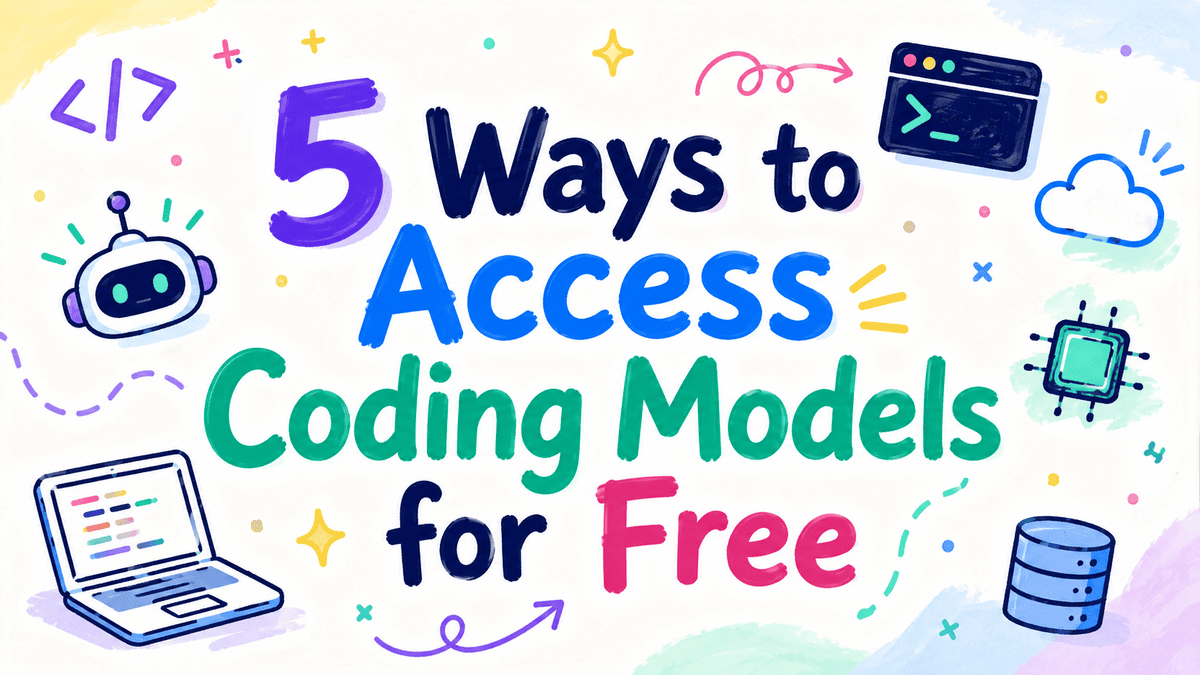
Unlock AI Coding: Five Free Ways to Access Powerful Models
The cost of AI coding agents and proprietary models can feel like a barrier, but it doesn't have to be. We've identified five free ways to access powerful coding models, from open-weight options to trial-based agents that don't require a GPU setup. This is about practical access, not hype. If you're also curious how AI handles real-world tasks, our piece on real-world computer vision deployments offers a grounded look at what these systems actually do. Explore the options and start building without the subscription.
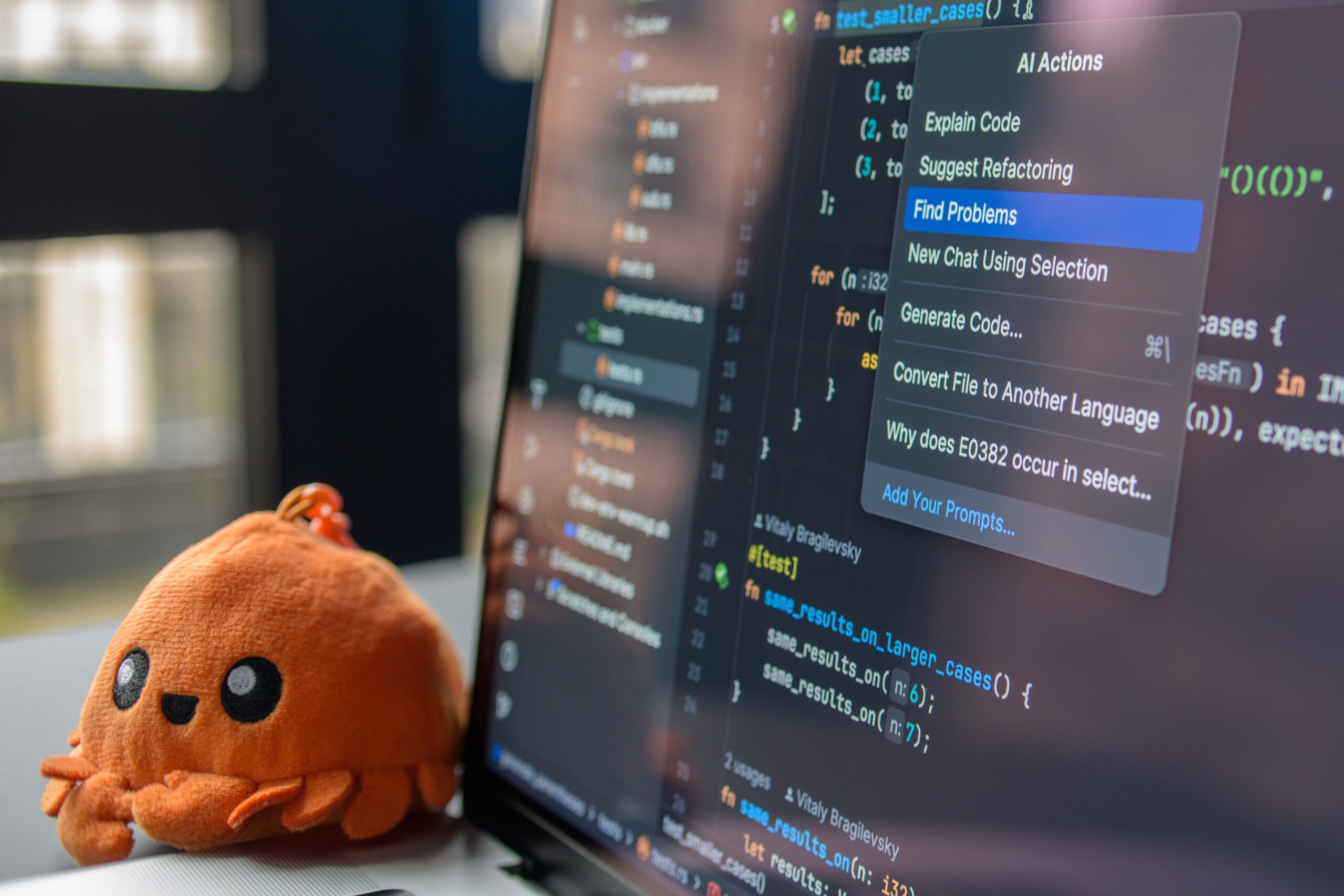
Discover how to guide AI agents toward code you can trust
Writing code with AI agents is about more than generating lines faster. It's about steering the output toward quality. This practical guide cuts through the noise, showing you how to work with these tools to get better code, not just more of it. We appreciate the focus on real workflows over hype. For a deeper look at the underlying mechanics, you might also explore our piece, "Unlock LLM Training: A Practical Guide to Distributed Algorithms."
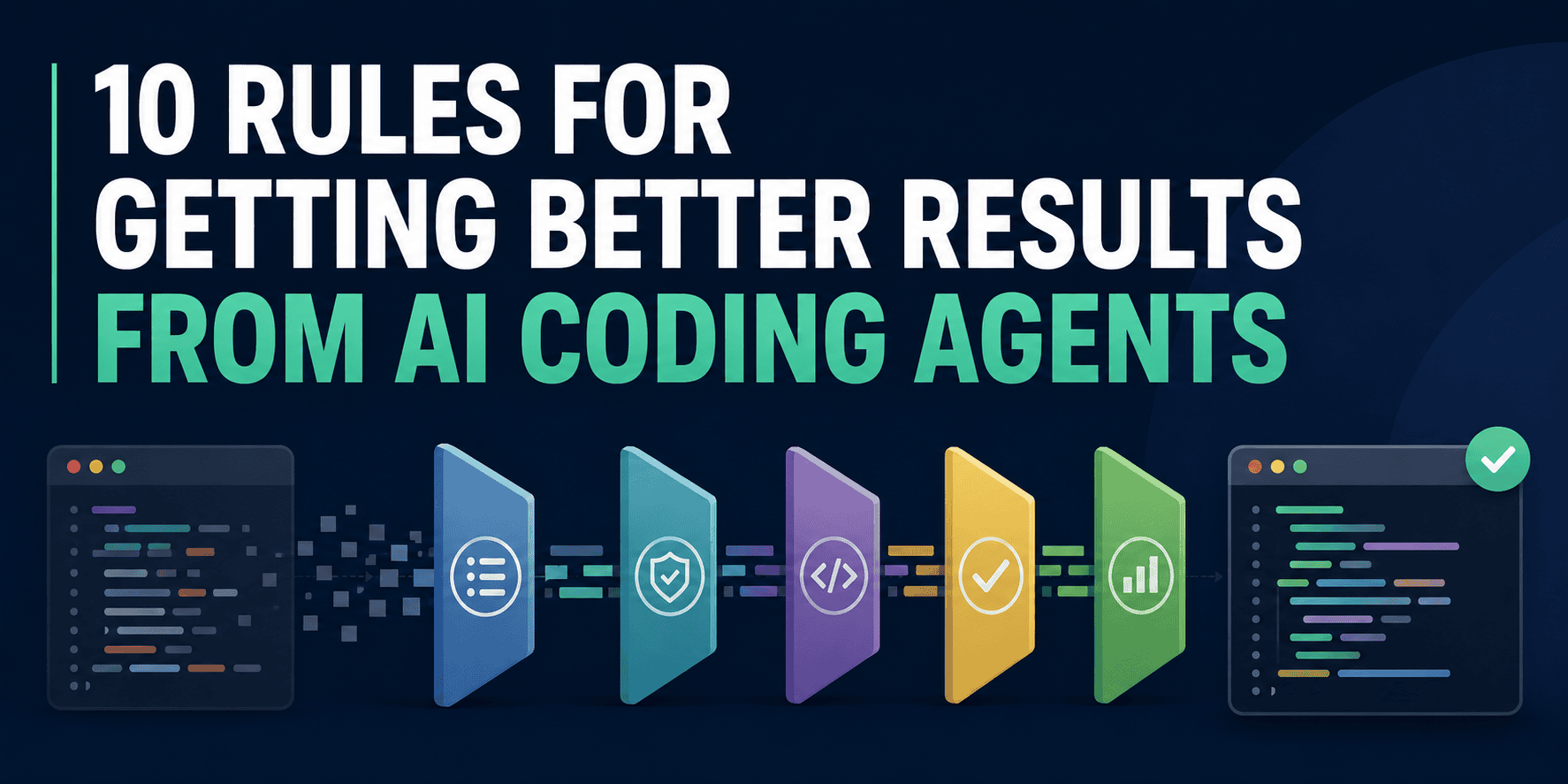
Master AI coding agents with simple rules that transform your workflow
AI coding agents are everywhere right now, but most teams are leaving results on the table. We've watched the hype cycle, and the truth is simple: the tool matters less than how you direct it. These ten rules cut through the noise, focusing on practical habits that turn a generic assistant into a reliable contributor. If you're ready to move past trial and error, start here.

Slack Code brings AI coding agents into team conversations
Slack is betting that the future of AI coding isn't a lone developer in a terminal, but a team watching the work happen in the open. With Slack Code, agents like Claude and Devin move into dedicated channels where anyone can steer, review, or contribute, turning software creation into a multiplayer sport. It's a smart, human-centered shift. For a deeper look at how teams are rethinking their workflows, our piece on Docker's sandboxed agent environments pairs well with this story.
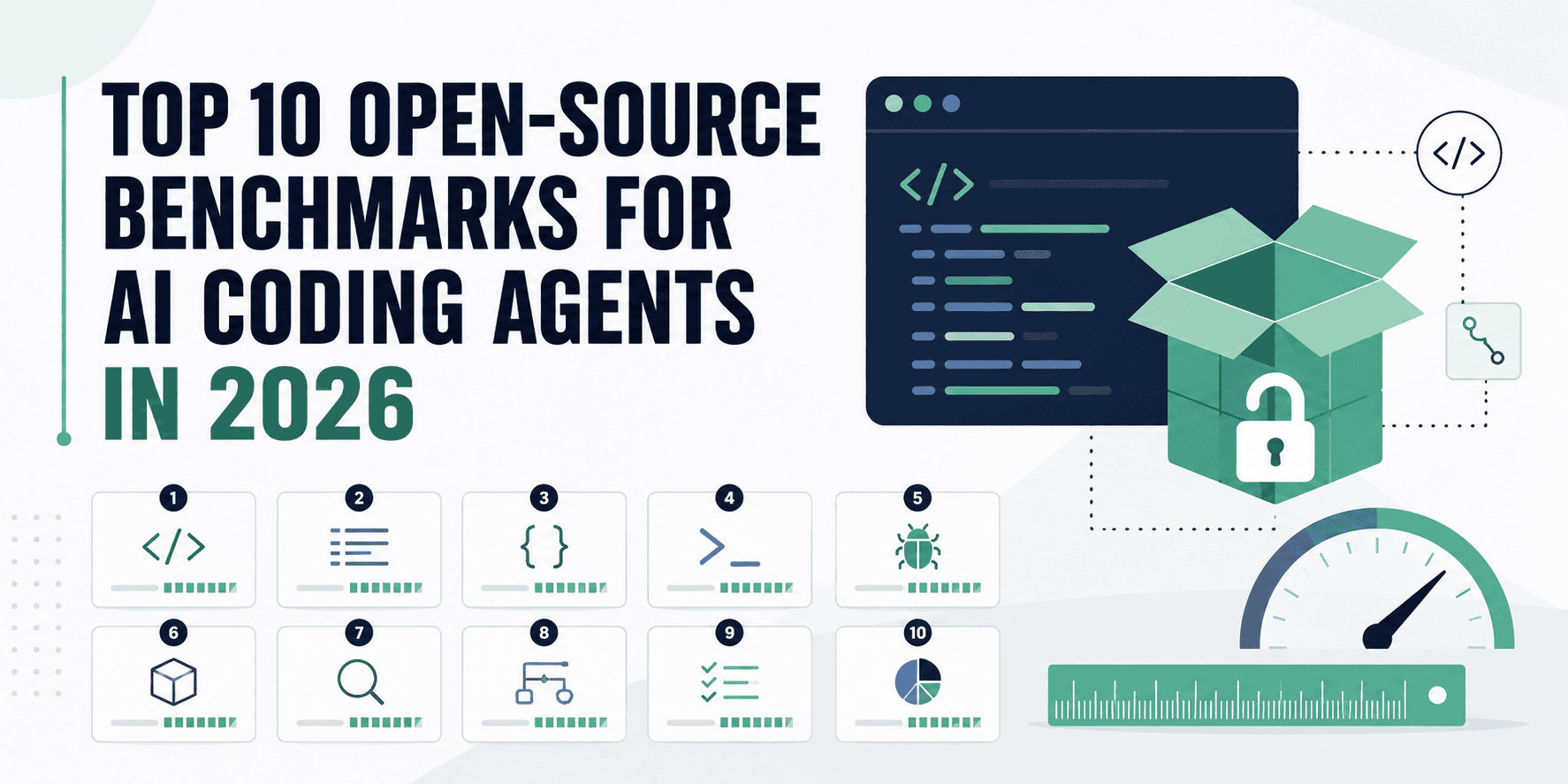
Evaluate AI Coding Agents with These Top Open-Source Benchmarks
Choosing the right benchmark is the first step toward building an AI coding agent you can actually trust. In 2026, the landscape has matured well beyond simple unit tests, with tools like SWE-bench, Terminal-Bench, and SlopCodeBench offering distinct lenses on real-world performance. We break down the top 10 open-source options to help you navigate the noise. If you are questioning how these models handle nuance, our piece on talking to an AI clone offers a timely perspective on the human side of the equation.

When AI agents write 99% of your code, managing cost becomes the new skill
Engineers at Kilo Code now write or read code about 1% of the time, leaving agents to handle the rest. That shift is forcing hard questions about what to hand over, who fixes model mistakes, and whether ballooning token bills signal progress or waste. For Replit, Symbotic, and Kilo Code, it's a welcome evolution, provided teams set clear guardrails. Symbotic's Jared Go notes agents excel at greenfield builds, but brownfield work remains the real test. Replit keeps a human on the loop, not in it.
Bring AI coding agents to your machine learning projects in the cloud.
The question of running AI coding agents against a remote GPU is the right one to ask. You want the flexibility of your local editor with the horsepower of the cloud, and that setup absolutely exists. The key is using a platform that treats the remote machine as a seamless extension of your workspace. Docker Cloud Sandboxes offer a consistent environment for this, and exploring that approach is a solid starting point for building your ML workflow without leaving your preferred tools behind.