AI-generated code
6 stories filed under AI-generated code on Beyond Market Intelligence. The newest of them: “Your Code, Your Responsibility: 7 Checks Before You Trust AI”, “When AI Writes Code, Do You Still Own the Work”, and “AI Coding Speeds Up Development, but Debugging Demands Grow”. AI writes code in seconds. We gave an AI a real test: write code, plant a bug, and see if the human who reviewed it actually owns the work. Acme AI is the next-generation, AI-powered spreadsheet platform built to replace Excel and redefine how analysts, data scientists, and enterprise teams work… The list below is every AI-generated code story on Beyond Market Intelligence, newest first.
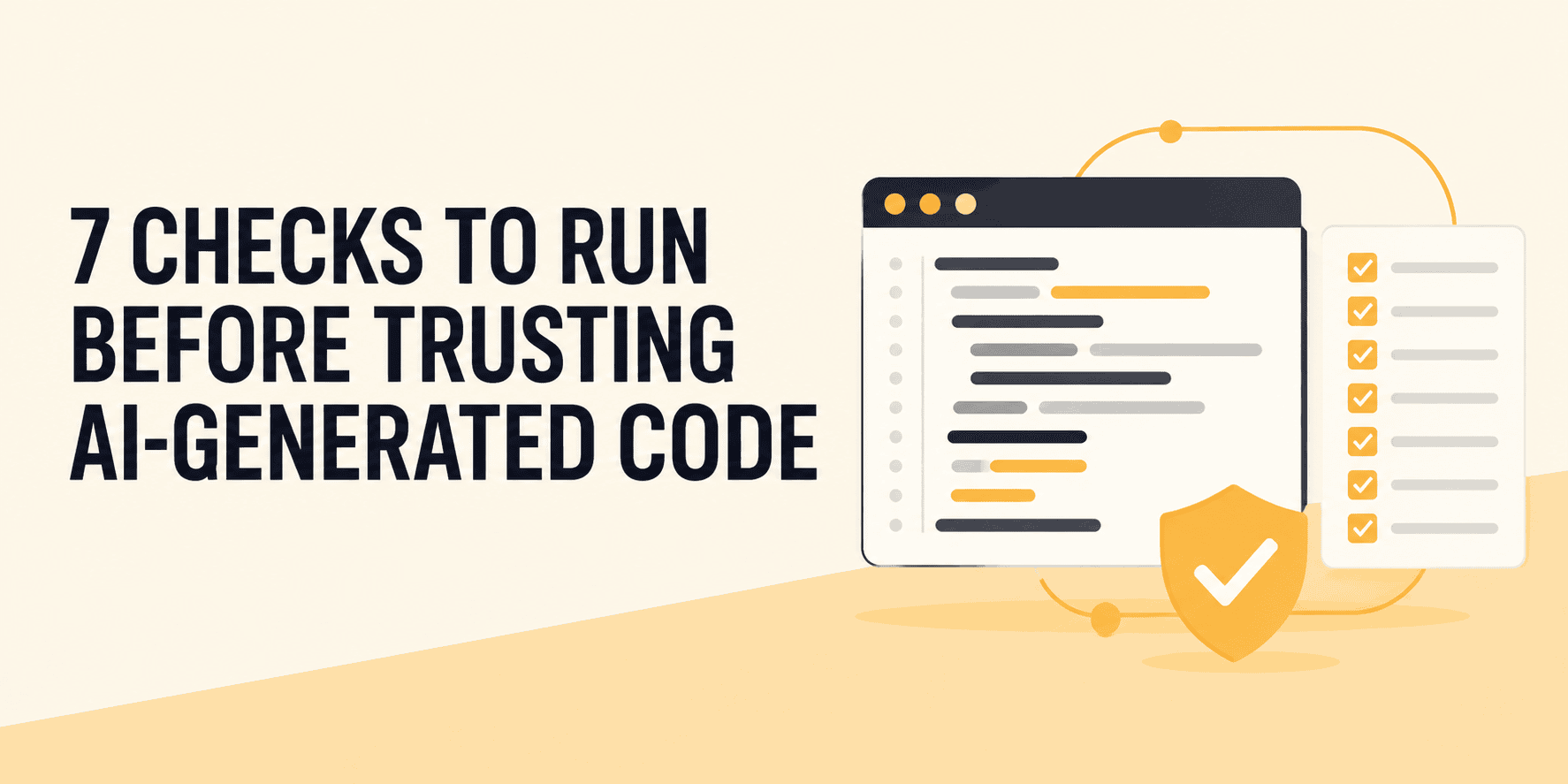
Your Code, Your Responsibility: 7 Checks Before You Trust AI
AI writes code in seconds. Trusting it takes longer. Every line generated by a model carries the same weight as one you typed yourself, the responsibility is yours, not the machine's. Before you commit that output, seven checks separate convenience from catastrophe. A quick loop or a missing edge case can hide in plain sight.
When AI Writes Code, Do You Still Own the Work
We gave an AI a real test: write code, plant a bug, and see if the human who reviewed it actually owns the work. The result was humbling. I rated my confidence 4 out of 5, then failed to find the planted bug in eight minutes. CodeOwnership reveals a hard truth about accountability when AI generates your logic. For a deeper look at AI's reliability, our Python 3.15 JIT Benchmarks piece shows similar limits for targeted workloads. The tool is impressive. The limits are real.

AI Coding Speeds Up Development, but Debugging Demands Grow
AI coding agents are writing code faster than ever, but a new survey from Undo and Coleman Parkes reveals a sharp trade-off: debugging now consumes more time than before. Faster generation means more code to troubleshoot, and that bottleneck demands new tools for comprehension. Developers aren't just writing, they're deciphering. For deeper insight into how AI is reshaping workflows, see our coverage of Flai's $27M round and its 50,000 monthly appointments.
When AI writes code, verifying intent becomes the real challenge.
AI-generated code promises speed, but it also introduces security weaknesses and familiar bugs. The real bottleneck has shifted from writing code to verifying what AI actually produces, as Nitin Garg argues. He focuses on detecting when generated behavior diverges from intent, a practical concern for any team adopting these tools. It's a grounded look at a growing challenge. For those exploring similar territory, our guide on verifying AI understanding offers a useful complement.
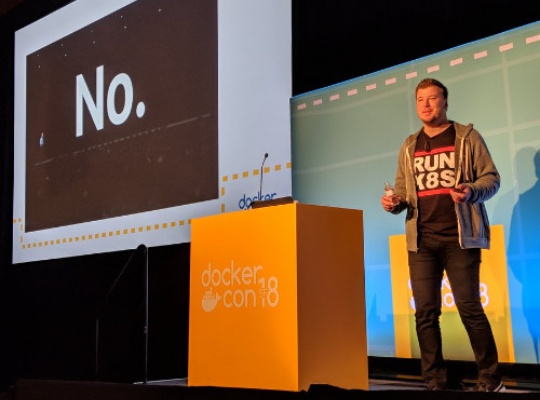
Secure Your AI Agents with Kernel-Level API Control
Your AI agents are generating code that no one owns, and that's a risk you can't ignore. Dan Finneran shows how eBPF can step in, intercepting API traffic at the kernel level to filter prompts, swap models, and enforce limits without touching your application code. It's a practical, transparent way to secure production systems. For more on questioning AI's output, our piece on verifying your AI's understanding offers a timely follow-up.

From prompt to publish: Canva puts AI website building in every user's hands.
Code is about to get a lot more visual. Canva Code 2.0 brings AI-powered website building to every user, including free accounts. The focus isn't just on generating functional code but on making the output genuinely yours. With drag-and-drop editing and direct access to Canva's design library, the gap between a raw prototype and a polished, on-brand experience just closed significantly. It's about giving everyone the tools to build something that looks like it came from them.