AI-generated content
AI-generated content at Beyond Market Intelligence is a file of 5 stories. The newest of them: “Clean Data Starts With Catching AI Slop Before It Skews Your Model”, “When AI Detectors Punish Authors Without a Second Look”, and “Understand Claude's Watermarks to Better Manage Your AI Output”. Cleaning your training data isn't just about removing obvious junk. A desk rejection is supposed to feel final, but this feels arbitrary. Acme AI is the next-generation, AI-powered spreadsheet platform built to replace Excel and redefine how analysts, data scientists, and enterprise teams work… The list below is every AI-generated content story on Beyond Market Intelligence, newest first.
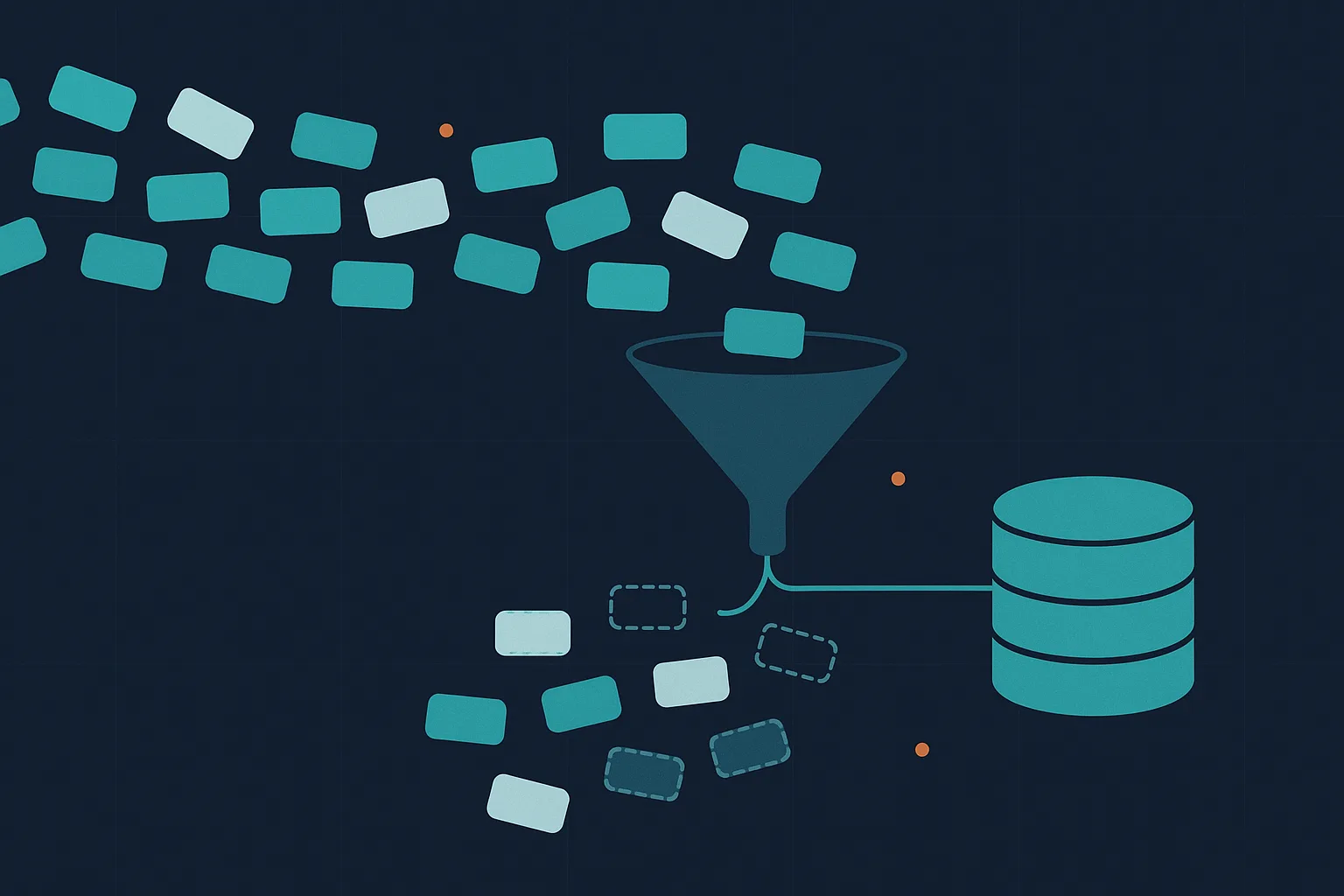
Clean Data Starts With Catching AI Slop Before It Skews Your Model
Cleaning your training data isn't just about removing obvious junk. When my AI detectors flagged plenty of genuine reviews, filtering them out actually made the sentiment model less accurate. That's the trap: overcorrecting for AI slop can skew your results in the opposite direction. This piece tests three practical ways to spot that noise without tossing the signal. It's a useful, grounded look at a problem many teams will face soon. If you're building models on messy text, this is worth your time.
When AI Detectors Punish Authors Without a Second Look
A desk rejection is supposed to feel final, but this feels arbitrary. NeurIPS used a proprietary detector to bounce 178 papers, and the chairs' own work would have failed the test. That is not quality control; that is a gamble. The real kicker is the ESL penalty, which means the tool punished clarity in non-native English. If you were caught in this, do not treat it as a verdict. Resubmit elsewhere.
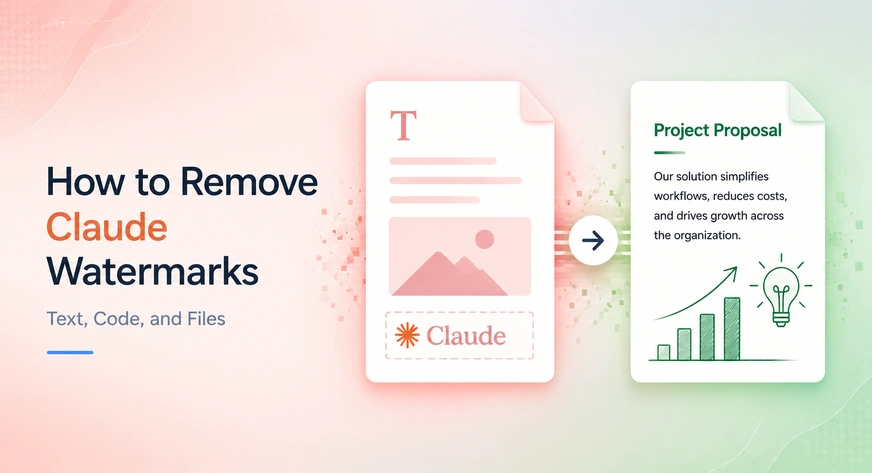
Understand Claude's Watermarks to Better Manage Your AI Output
Claude's watermarks are not one-size-fits-all. Text carries embedded markers, while supported files rely on signed C2PA metadata. Code, however, sits in a curious middle ground; its structure gives the watermark fewer places to hide. That nuance matters if you are trying to strip these traces cleanly. I appreciate that this guide digs into the practical differences rather than treating AI content as a monolith. For more on how AI systems shape what we see, our piece on agents learning by editing context pairs well here.
Explore how Claude's new watermarking builds trust in AI-generated content.
Since August 2nd, 2026, Claude has embedded a hidden watermark in all text it generates, while files receive a digital signature. This move aligns Anthropic with the EU AI Act's Code of Practice on Transparency. It is a straightforward step toward accountability, though the quiet nature of the tech raises questions about how users will actually perceive it. For deeper context on how we interact with AI outputs, our piece on talking to an AI clone offers a fitting companion.

Spotting AI Text: Simple Cues and the Math Behind Them
You don't need a model to spot AI-generated text. Research-backed cues reveal LLM output, and the mathematical intuition behind *why* those signals hold up is also explained. That's the kind of practical clarity that empowers you to trust what you read. It's not about paranoia, it's about precision. For more on how AI shapes content creation, explore the related discussion on transforming open LLMs into classifiers.