AI orchestration
Beyond Market Intelligence keeps AI orchestration in one place: 3 stories so far. The section currently leads with “Google gives Gemini a workplace identity to plan and execute tasks”, “Discover how multi-model orchestration makes coding tools smarter and more efficient.”, and “How 37,000 AI agents collaborate to transform drug discovery”. Google is giving Gemini its own email address. GitHub's Project HydraFusion is taking a smarter approach to AI coding assistance. Acme AI is the next-generation, AI-powered spreadsheet platform built to replace Excel and redefine how analysts, data scientists, and enterprise teams work… The list below is every AI orchestration story on Beyond Market Intelligence, newest first.

Google gives Gemini a workplace identity to plan and execute tasks
Google is giving Gemini its own email address. That's the headline, but the real story is about agency. By turning Gemini into an AI agent that can plan, execute tasks, and delegate work to subagents across business systems, Google is rethinking what a workplace identity means. This isn't just another assistant, it's a colleague that operates autonomously. For a deeper look at how Google is reimagining data ownership, see our piece on "Why Google's $10 Million Bid for Old Emails Signals a Smarter Data Future."
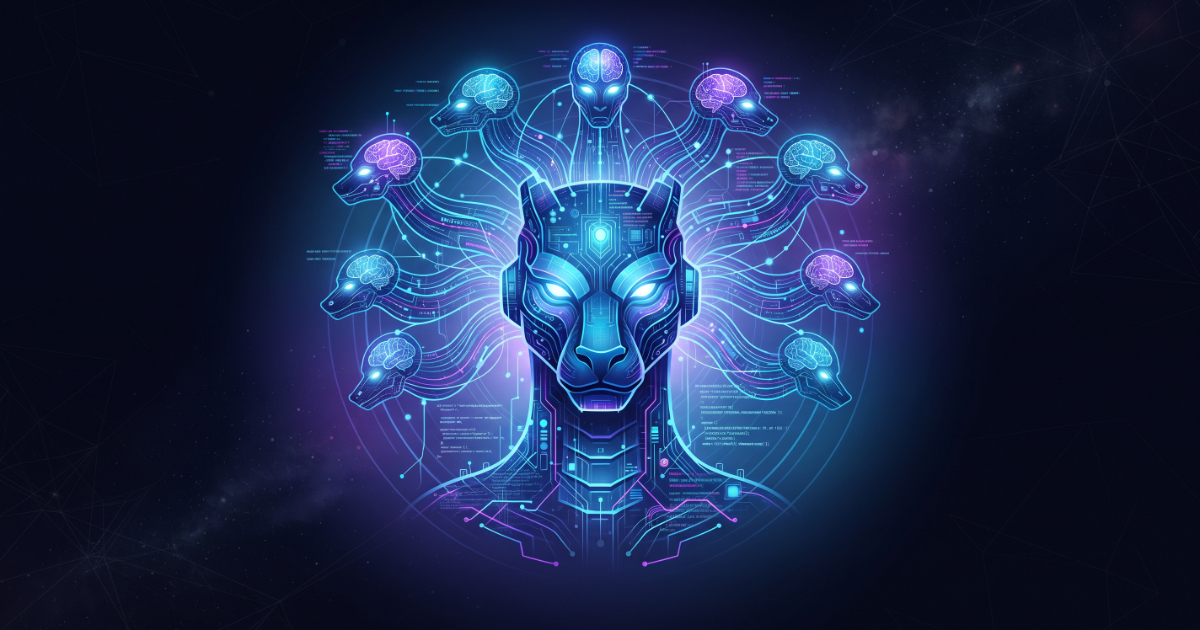
Discover how multi-model orchestration makes coding tools smarter and more efficient.
GitHub's Project HydraFusion is taking a smarter approach to AI coding assistance. Instead of relying on a single model, this research preview for GitHub Copilot dynamically assembles execution plans, pulling from multiple providers based on the task at hand. The result? High task quality without the operational overhead you might expect.
How 37,000 AI agents collaborate to transform drug discovery
The assumption that one engineer equals one AI agent is already outdated. At Stanford, James Zou's team has scaled past that model, building a virtual biotech where 37,000 specialized agents collaborate like a real company. The results speak for themselves: the system designed a drug that Merck later independently validated, earning FDA breakthrough status. For developers, the lesson isn't about building smarter single agents, it's about designing environments where thousands can work together. That's a shift worth exploring, especially as orchestration becomes the real bottleneck.