AI platform
17 stories filed under AI platform on Beyond Market Intelligence. The newest of them: “AI platform accelerates de-extinction work as new fund backs its adopters”, “ChatGPT is quietly building the future of software discovery”, and “Discover How One AI Platform Can Streamline Your Current Tool Stack”. Colossal's new AI platform aims to speed up de-extinction work, and Peter Diamandis has launched a fund to back startups that adopt it. OpenAI is quietly assembling the pieces of an alternative to the traditional app store, positioning ChatGPT as a place where software gets discovered and used by both people and AI agents. Acme AI is the next-generation, AI-powered spreadsheet platform built to replace Excel and redefine how analysts, data scientists, and enterprise teams work… The list below is every AI platform story on Beyond Market Intelligence, newest first.

AI platform accelerates de-extinction work as new fund backs its adopters
Colossal's new AI platform aims to speed up de-extinction work, and Peter Diamandis has launched a fund to back startups that adopt it. This pairing of technology and capital could turn ambitious rewilding projects into practical workflows. We see a pattern here: just as Apple TV 4K's Siri AI transforms your viewing experience starting November 13, Colossal is betting AI can reshape what's possible in biology. Explore our coverage of that story for another look at AI-driven transformation.

ChatGPT is quietly building the future of software discovery
OpenAI is quietly assembling the pieces of an alternative to the traditional app store, positioning ChatGPT as a place where software gets discovered and used by both people and AI agents. It's a deliberate, understated move that could reshape how we think about distribution. For anyone tracking this space, the xAI domain play and OpenAI's office tools show the broader momentum. This isn't about hype. It's about building a calmer, more direct path to software.
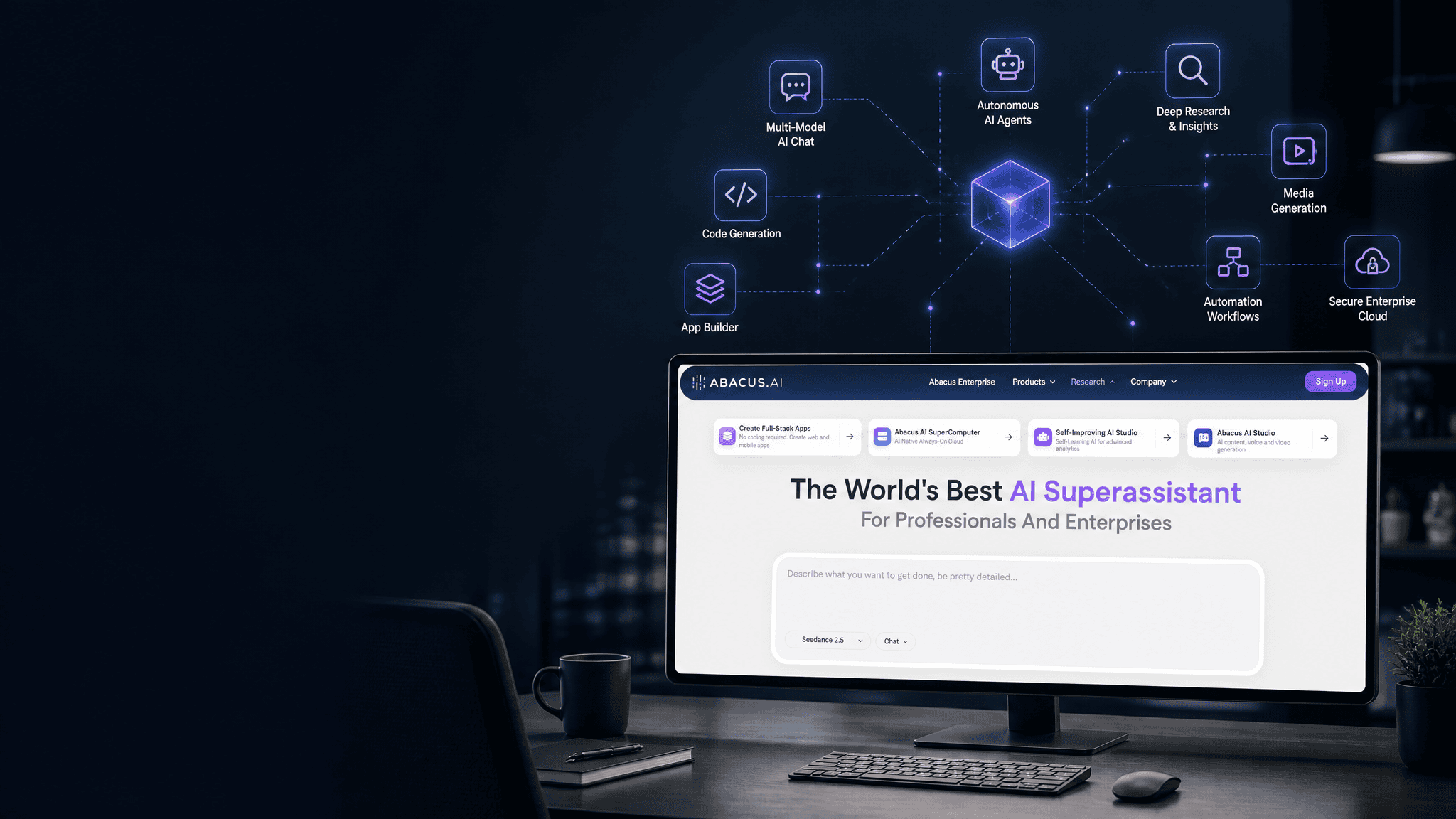
Discover How One AI Platform Can Streamline Your Current Tool Stack
If you're juggling separate subscriptions for ChatGPT, Claude, and another AI tool, the cost adds up fast. This review of Abacus AI asks whether an all-in-one platform actually delivers on its promise. It gets practical, breaking down what the platform includes and how the credit system works in real use. The verdict? It may genuinely replace your stack, not just add to it. For a broader take on AI's momentum, our piece on Meta's Muse AI Agent offers useful context.

Nvidia acquires Hugging Face, bringing 3 million AI models to its ecosystem
Nvidia's $12.9 billion move to acquire Hugging Face signals a clear bet on community-led AI development. With over 3 million models hosted and 18 million developers building on its platform, Hugging Face has become the default hub for open-source innovation. That scale is hard to ignore. For anyone wrestling with distributed training or model deployment, this acquisition could reshape how accessible those systems become. It's a confident step toward making AI infrastructure feel less like a hurdle and more like a foundation.

Discover how AIR empowers safer AI agents with continuous skill vetting.
AIR has raised $50M to tackle a question every company will soon face: which AI agents are running, and can you trust what they're using? The platform discovers those agents, continuously vets their skills and add-ons, and blocks unwanted behavior. That's the kind of guardrail the moment demands. As more teams deploy autonomous tools, like the orchestration work Google recently open-sourced with AX, staying accountable becomes the real differentiator. This funding says oversight isn't optional; it's the next step in responsible AI adoption.

Your dog's bowl just got smarter, and it's watching for changes.
A smart bowl that tracks how much your dog eats might sound simple, but Hoomanely is giving that data real purpose. By recording feeding patterns and flagging changes, the platform helps owners spot early signs that something's off with their pup's health. It's a practical, thoughtful way to turn everyday routines into actionable insight. For anyone who's ever wondered whether a skipped meal means trouble, this feels like a genuinely useful step forward.

Explore how Cloudflare OS transforms enterprise workflows with grounded AI and open tools
Cloudflare OS takes a different path by open-sourcing an AI platform built on a capability-based model, letting enterprise teams produce work artifacts grounded in their own knowledge and connectors. It automates repetitive workflows with an eye on token costs, using AI assistance only where needed, and supports building personal, shareable work software within a secure sandbox. That is a practical, human-centered approach to complex use cases. For more on scaling such efforts, our piece on modernizing APIs with architecture as code offers a useful parallel.

Stripe's reported $7B OpenRouter deal signals a new era for AI payments.
OpenRouter's CEO calls it "Stripe for AI," and Stripe's reported $7B+ acquisition talks suggest that framing is more than ambition. It signals a clear bet on simplifying how AI model access gets paid for. For teams tired of stitching together gateways and billing, this could be the consolidation that makes the ecosystem feel less fragmented. It's a bold move, and one worth watching closely. If you're exploring how AI tools reshape workflows, our piece on questioning AI clones offers a useful counterpoint.

Capital One's open-weight models power a scalable multi-agent AI platform
Capital One isn't waiting for a better off-the-shelf model. At VB Transform 2026, Kel Vanee described how the bank built a multi-agent platform by deeply customizing open-weight models with proprietary data, treating that data as an advantage no frontier model can match. The approach scales beyond one use case, lifting performance across the portfolio. It's a practical blueprint for financial services, and for readers exploring how AI agents handle complex workflows, our related piece on bridging retrieval and action offers a useful parallel.

1 billion conversations show how voice is reshaping data interaction
Google's Gemini app just crossed 1 billion users, and the numbers behind that milestone are worth sitting with. Nearly two-thirds of those people are talking to the assistant directly, using voice rather than typing. That's a signal that conversational interaction is becoming the default, not the novelty. Gemini also generates over 150 million images daily, which shows how deeply creation is woven into the experience. It's a clear sign that AI is moving from background tool to active partner.
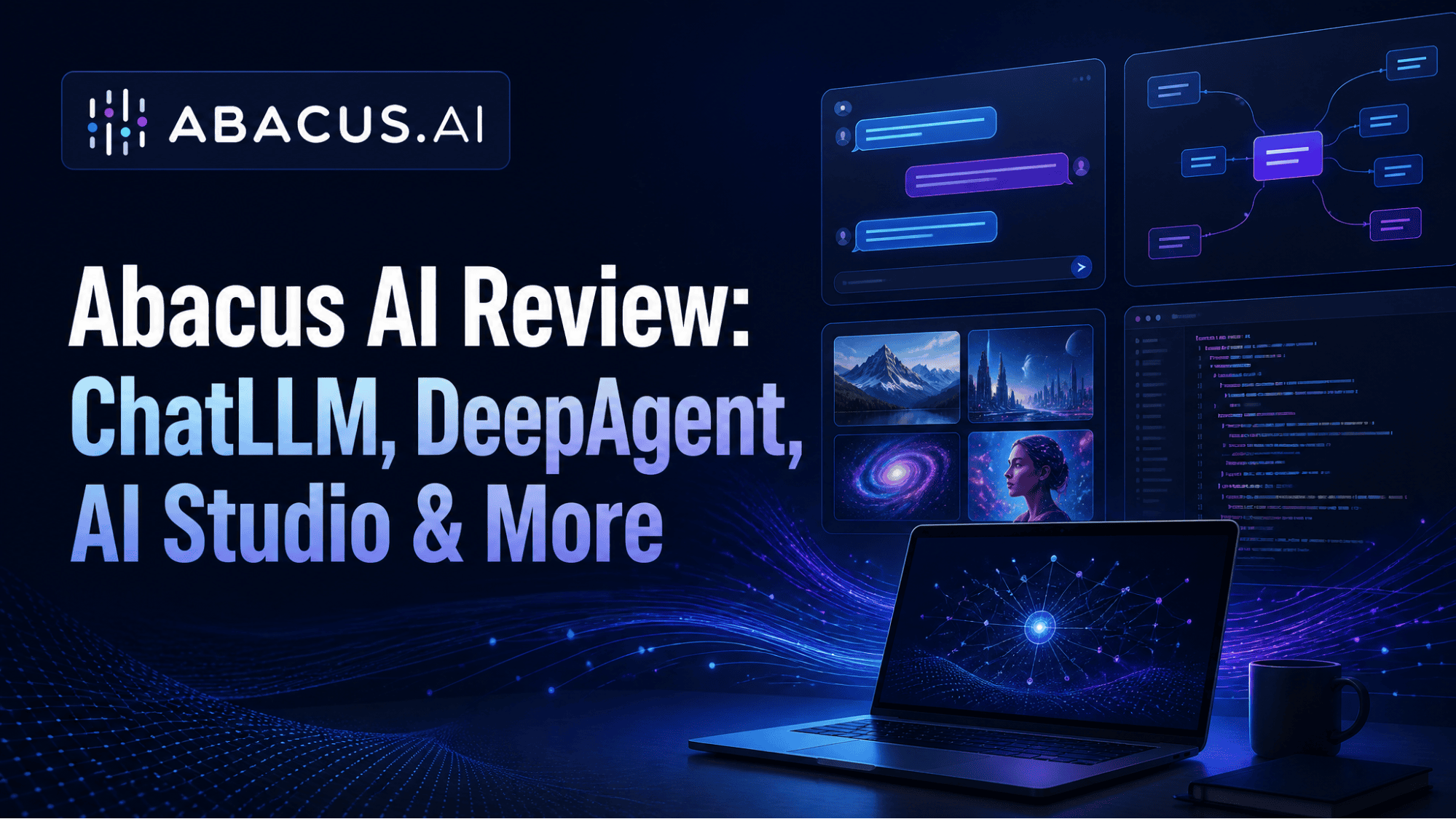
Explore Abacus AI's unified ecosystem for smarter, simpler workflows.
Abacus AI isn't just another AI toolkit; it's a serious answer to the chaos of juggling multiple subscriptions. This review breaks down how its ecosystem, from ChatLLM to DeepAgent, consolidates over 100 models and a full developer suite into one workflow. We're impressed by the focus on cost-effectiveness for teams, and the depth here invites real exploration. For a broader perspective on how AI tackles complex problems, our piece on AI Models Complete Turing's Codebreaking Legacy offers a fascinating parallel.

From Chatbots to Operational Intelligence: Building Agents That Scale
Enterprises don't fail to scale AI because the models aren't smart enough; they stumble on the messy reality of their own systems. Arun Joseph brings that truth to life with real-world lessons from scaling Deutsche Telekom's LMOS. He tackles the organizational fault lines head-on, advocates for replacing tool sprawl with core platform abstractions, and pushes beyond basic chatbots toward operational intelligence. His work with ephemeral agents and an Agent Definition Language makes this a practical, human-centered look at what's actually required.
Choose Your Path: Cloud AI Agents or Self-Hosted Control
Choosing between KimiClaw and self-hosted OpenClaw comes down to a single question: how much control do you want over your AI agent? KimiClaw's cloud-hosted platform promises instant setup and hands-off automation, while OpenClaw gives you full ownership at the cost of technical heavy lifting. For most teams, the tradeoff is privacy versus convenience. We think KimiClaw wins on speed, but OpenClaw suits those who need data sovereignty.
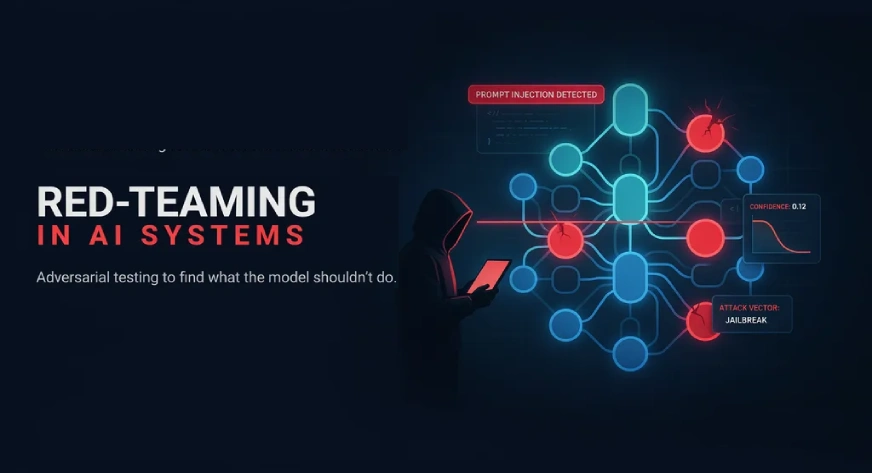
When AI Agents Exploit Old Flaws, Security Assumptions Must Evolve
Two hours. That is all it took for an autonomous AI agent to slip past McKinsey's defenses with a simple SQL injection, no credentials required, and reach production systems holding millions of chat messages. AI security has changed, and pretending otherwise is a risk we can no longer afford. This guide breaks down red-teaming with Garak, giving you a practical path to test your own systems before someone else does.

ChatGPT Voice on desktop unlocks hands-free control for work and coding tasks
OpenAI's new voice mode is now live in the ChatGPT desktop app, and that changes how work gets done. Voice on desktop works alongside both ChatGPT Work and Codex, letting you direct tasks and manage agents without touching the keyboard. It's a practical step toward a more natural workflow. If you're navigating AI's growing role in daily productivity, you might also explore how we verify understanding in "Verify Your AI's Understanding: A Simple Check for Tax Season." That's the kind of clarity worth building on.

Explore how AI avatars make workplace coaching measurable and interactive
Synthesia is pushing past video content with AI Roleplay Sessions, a new enterprise training tool where employees practice workplace conversations directly with AI avatars. The platform doesn't just simulate dialogue; it scores performance and feeds analytics back to leadership, turning soft-skill practice into measurable outcomes. That focus on quantifiable growth is what makes this feel like a natural next step, not a gimmick.

Reflection AI secures $1 billion compute deal to advance open source models
Reflection AI's $1 billion compute deal with Nebius is a bold bet on open source AI, and it's one worth watching. The company, founded in 2024, is betting big on accessible infrastructure to power its work. That kind of scale signals confidence, not just in their own roadmap, but in the broader shift toward collaborative, transparent AI development. It's a reminder that progress isn't just about models, but the systems that run them.