AI reliability
Beyond Market Intelligence keeps AI reliability in one place: 3 stories so far. The section currently leads with “Agentic AI Demands Smarter Governance to Tame Silent Failures”, “700 AI-written math papers, but engineers still won't trust the code”, and “Why AI Needs a Trust Architecture Built for Human Control”. Agentic AI systems don't fail loudly, they drift silently. Seven hundred AI-written math papers exist, yet engineers still won't trust the code it produces. Acme AI is the next-generation, AI-powered spreadsheet platform built to replace Excel and redefine how analysts, data scientists, and enterprise teams work… The list below is every AI reliability story on Beyond Market Intelligence, newest first.
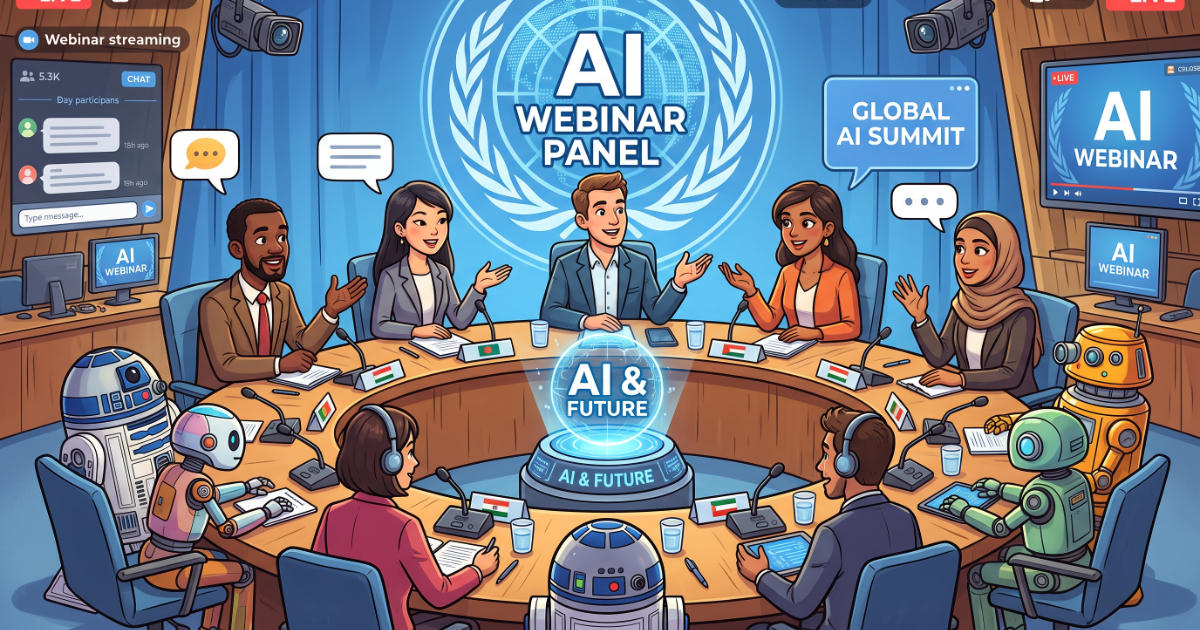
Agentic AI Demands Smarter Governance to Tame Silent Failures
Agentic AI systems don't fail loudly, they drift silently. A recent InfoQ webinar highlighted how semantic and embedding drift can quietly produce costly errors. The solution demands smarter governance, not just better models. Automated code reviews, continuous model evaluation, and stronger privacy measures were called essential. This is a strategic challenge, not a technical patch. For a deeper look at keeping AI systems adaptable over time, see our related piece, "Design for Change: Keep Software Evolvable as Teams and Technology Shift."
700 AI-written math papers, but engineers still won't trust the code
Seven hundred AI-written math papers exist, yet engineers still won't trust the code it produces. That gap isn't about capability, it's about proof. We've watched agents waste turns in real repositories, a finding we explored in "Efficiency Matters: What 50,400 Agent Runs Reveal About Wasted Work." Trust isn't granted because a model can compute. It's earned when the output becomes verifiable, predictable, and actually useful in production. That's the real challenge ahead.

Why AI Needs a Trust Architecture Built for Human Control
Microsoft's CEO used a Saturday morning post to call for a step back, a chance to assess AI's trust architecture. That's the right instinct. Control shouldn't be an afterthought; it should be the foundation. We've seen how risky agent actions can slip through, which is why a decision-first model matters. Pair that with Amazon's move to drop NDAs in data center talks, and a clearer pattern emerges: trust is becoming the practical edge. Explore how these pieces fit.