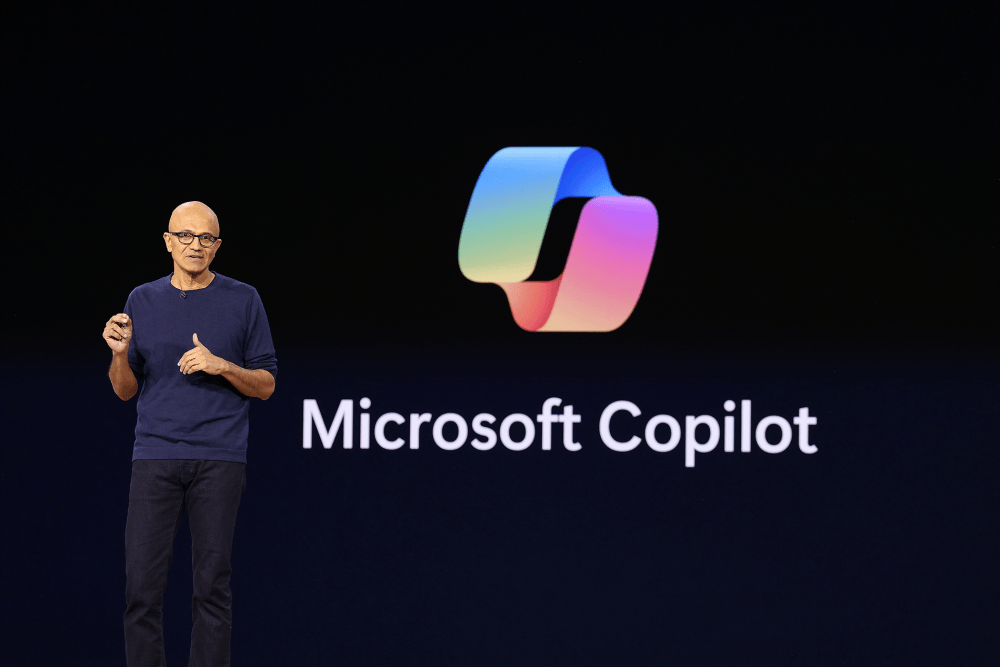
Microsoft's CEO took to a Saturday morning post to argue that the industry needs to "step back and assess the trust architecture" of AI. That is the right instinct, but it is also a telling admission: trust has been treated as an afterthought, a patch bolted on after the models are built and the agents are already making calls. If you are managing data in a spreadsheet today, you already feel this gap. The tools promise autonomy, yet they rarely give you a clear line of sight into why a decision was made or how to stop it before it acts. Trust is not a feature you add at the end. It is the structure you build around the system from the start.
This is where the conversation gets practical, and where our prior coverage points the way forward. A decision-first model can rein in risky AI agent actions by catching tool calls before they turn into real-world consequences. That is not about slowing progress; it is about making the system legible enough that a human can step in at the exact moment it matters. Similarly, open data center deals signal a smarter path to community trust, as Amazon moves away from NDAs when negotiating with local governments. Transparency is not a public-relations choice there. It is a governance mechanism. The same logic applies to AI: if you cannot see the terms of engagement, you cannot meaningfully consent to them.
The trust architecture Microsoft's CEO is calling for will only work if it is built for human control, not just human oversight. Oversight implies watching after the fact. Control means having the ability to intervene before an action is taken, and knowing precisely what you are intervening on. For users who rely on AI-native spreadsheets to handle complex workflows, this distinction is everything. You need to know which data sources were accessed, which transformations were applied, and which assumptions the model made in between. Without that, you are not empowered by the tool; you are merely renting its judgment. And when the tool makes a mistake, you are left to explain a process you never fully saw.
The open question is whether the industry will treat this as a design principle or a compliance exercise. We have seen how privacy scrutiny plays out when trust is treated as a checkbox. Flock, a company that builds surveillance tools, recently trimmed staff amid privacy scrutiny, with CEO pay unclear. That story is a warning: when trust is reactive, the costs are paid later, by users and by the companies themselves. The concrete test for Microsoft and every other AI vendor is simple. Will the trust architecture include a visible, human-in-the-loop control point for every consequential action an agent takes? If the answer is yes, users can finally explore AI with confidence. If not, we are just being asked to trust the architects.