apps
Beyond Market Intelligence keeps apps in one place: 18 stories so far. The section currently leads with “Explore how HomeView unifies your smart home with locks, thermostats, and doorbells”, “From app builder to AI agent, Wabi turns chat into your command center”, and “Vibe Coding Drives Lovable Past $600M in Annual Revenue”. HomeView unifies your smart home around locks, thermostats, and doorbells through a single hub that interacts seamlessly with your apps. Wabi is no longer just another prompt-based app builder. Acme AI is the next-generation, AI-powered spreadsheet platform built to replace Excel and redefine how analysts, data scientists, and enterprise teams work… The list below is every apps story on Beyond Market Intelligence, newest first.

Explore how HomeView unifies your smart home with locks, thermostats, and doorbells
HomeView unifies your smart home around locks, thermostats, and doorbells through a single hub that interacts seamlessly with your apps. It's a straightforward approach to controlling accessories without juggling multiple platforms. The experience feels intentional, not overloaded. For a deeper look at how smarter devices are reshaping daily routines, our piece on the updated HomePod mini explores another angle of effortless home interaction. This is about making the connected home genuinely useful, not just more complex.

From app builder to AI agent, Wabi turns chat into your command center
Wabi is no longer just another prompt-based app builder. It's repositioning itself as a personal AI agent that turns chat into a command center, creating interfaces on demand while weaving in ongoing tasks. That's a smart move. It shifts the focus from building tools to managing work. For anyone tired of juggling separate apps, this feels like a more natural way to work. If conversational AI interests you, Meta's Muse AI Agent gaining ground in that space is worth a look too.

Vibe Coding Drives Lovable Past $600M in Annual Revenue
Nearly a billion monthly views is a staggering number by any measure, and it signals something real about where software creation is headed. Lovable's co-founder Fabian Hedin shared that apps built on the platform are reaching that scale, which tells us users aren't just experimenting; they're shipping products people actually use. Vibe coding is making development feel less like a chore and more like a natural extension of an idea.
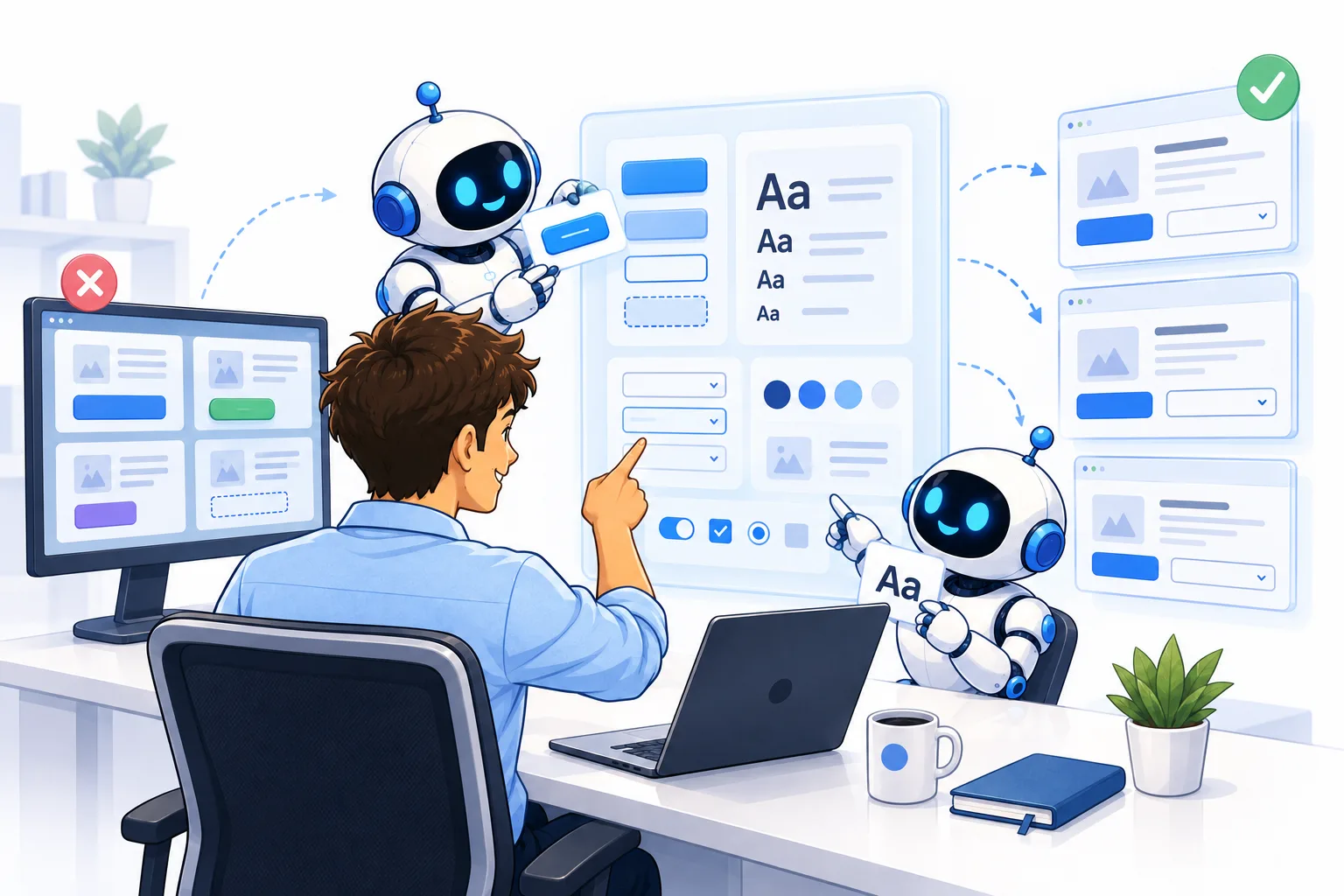
Design with precision using AI to guide your app's visual identity.
Consistent design shouldn't be a happy accident. If you're tired of patching together styles across projects, Claude Code offers a practical path to professional-looking apps without the usual friction. This guide walks through how to build design systems that actually stick, turning messy workflows into something repeatable. It's a smart, accessible approach for teams ready to move beyond manual fixes. For more on applying AI to real-world challenges, explore our piece on computer vision deployments. The takeaway? Consistency is a skill you can code.

Hollywood talent explores microdramas as a new creative frontier.
Eight-figure checks and exotic locations are no longer the only draw for A-list talent. Several Hollywood celebs are now turning to microdramas, trading traditional productions for a format built for rapid, mobile-first viewing. It's a pragmatic move, not a desperate one. These actors see where audience attention is heading and want in on that energy. The shift feels less like a gimmick and more like a smart bet on where storytelling is going.

Android apps face memory limits as AI demand reshapes hardware
Google is drawing a line in the sand for Android memory use, and it's a direct response to the hardware squeeze AI data centers have created. Lower-cost phones are feeling the pinch first, which makes this a practical move, not a flashy one. We see this as a necessary constraint that could actually push developers toward smarter, leaner apps. It's a trade-off worth watching.

Meta sets daily time limits for teens, empowering parents with control.
Meta's new settlement with states brings a practical shift: teens will face a daily two-hour app limit unless parents step in. That's a meaningful concession, and it signals a more accountable approach to younger users. The move feels overdue, but it's a solid step toward healthier boundaries. For more on how Meta is adjusting its policies, our piece on the reversal of ads for the Musk documentary offers useful context. This decision, though, is about direct impact on families, and that's worth watching closely.

Explore how playful design and long battery life redefine the smartwatch experience.
The Pebble Time 2 proves that smartwatches don't need to take themselves so seriously. For $225, it leans into what makes wearables enjoyable: quirky watch faces, satisfying physical buttons, and an e-paper display that sips power instead of demanding a nightly charge. Weeks of battery life help, too. That playful hacker spirit is refreshing in a market obsessed with specs. If connected, hands-free experiences interest you, our piece on Meta's Smart Glasses offers a different angle on wearable tech worth exploring.

Talk across your apps with AI that listens and acts.
Meta AI's new Mac app puts dictation front and center, letting you talk to your apps across the board, much like Wispr Flow and Superwhisper. That's a smart move for anyone tired of clicking through menus. We've covered how AI tools can misfire, like in "Clean Data Starts With Catching AI Slop Before It Skews Your Model," so a hands-free approach that's built for everyday tasks feels like a practical step forward. It's not about hype; it's about making your workflow feel less like work.

Microsoft refines Copilot by merging apps and removing underused AI tools
Microsoft is streamlining Copilot by merging its consumer and business apps, a move that signals a pragmatic shift away from features like AI-generated podcasts and Group Chats. It's refreshing to see a company admit when something doesn't stick. This isn't about chasing hype; it's about focusing on what actually helps people work. For those of us still questioning the value of these tools, the decision feels like a step toward clarity.

Superblocks embeds into AWS private clouds, decoupling apps from models
AWS's decision to let Superblocks embed its vibe-coding platform directly into customer private clouds is a meaningful step toward loosening the grip of locked-in models. It's not just about convenience; it's about giving teams more control over where and how their applications run. That's the kind of flexibility that turns experimentation into real workflow. If you're exploring how AI tools are reshaping infrastructure, our piece on Nscale's recent funding offers another angle on where this momentum is heading.

Explore how proxy networks transform your device into someone else's gateway.
Samsung's move to ban smart TV apps that share internet connections with strangers is a decisive step toward protecting users. New security research pulls back the curtain on residential proxy networks, exposing how these apps quietly turn everyday connections into tools for others. That's a risk worth taking seriously. We've covered similar ground with our piece on Gemini's brief hacks, which highlights how quickly data access can shift. For now, Samsung's stance feels like the right kind of pushback, putting user safety ahead of convenience.

Discover the new apps proving software innovation is thriving in the AI era
The latest App Store lineup quietly flips the script on the notion that AI agents will sweep away standalone software. Developers are shipping with fresh momentum, offering everything from smarter bookmarking tools to digital pen pals and nature journals. It's a reminder that practical, human-centered design still earns its place on your Home Screen. For those of us still weighing what AI truly changes, our piece on talking to an AI clone offers a thoughtful counterpoint worth exploring.

Minnesota ban on nudify apps upheld despite xAI legal challenge
A Minnesota judge has cleared the way for the state's ban on "nudify" apps to move forward, rejecting xAI's request to block it. The ruling underscores a growing willingness to hold AI-powered tools accountable for how they're used. It's a sensible step, even if the legal path ahead remains complex. For those tracking how AI reshapes data privacy, this is a story worth following closely.

Discover apps designed to help you replace screen time with active moments.
The endless scroll feels less like a choice and more like a trap. If you're ready to reclaim your time and get moving, this roundup of apps offers a practical escape route. We've focused on tools that make stepping away from the screen feel natural, not punishing. It's about building momentum, not perfection. For more on turning digital habits into productive ventures, our piece on Wahlberg and Lee discussing entrepreneurship at Disrupt 2026 pairs well with this shift in mindset.

India's app economy hits a new milestone as spending habits mature
India's app economy just crossed a meaningful threshold: $345 million in Q2 revenue, a record for the country. This isn't just about downloads anymore. People are paying for software they value, and that changes what builders can create here. It signals a maturing market, one where sustainable businesses can take root. For users, it means more tools built specifically for them. If you want to see where this momentum is heading, our piece on Lightspeed's new $250M India fund offers useful context.

AI empowers creators to build more apps with less friction
Mark Zuckerberg says AI is making it dramatically easier to build and launch consumer apps, and Meta is betting on that momentum with more products on the way. The recent wave spans Facebook Groups, Marketplace sellers, Instagram, and gaming, so this isn't a distant ambition; it's happening now. That kind of speed is worth paying attention to, especially when it reshapes how everyday tools work.
Discover the new apps proving great software thrives alongside AI
The App Store is busier than ever, even as AI agents promise to make traditional software obsolete. Developers are shipping tools that feel refreshingly human, from smarter bookmarking apps to digital pen pals and neighborhood marketplaces. It's proof that great software isn't about competing with AI, but complementing it. If you're curious how these tools hold up against the AI wave, our piece on talking to an AI clone offers a thoughtful counterpoint worth exploring.