attribution
attribution at Beyond Market Intelligence is a file of 6 stories. The newest of them: “When you shift marketing spend, does your MMM finally tell the truth?”, “Gateways can't fix what identity layers don't yet secure.”, and “How AI watermarking works and what it means for your code”. A shift in marketing spend timing can expose an MMM's blind spots, because the model only learns from data that never held the right answers. Start with the agents you can actually name. Acme AI is the next-generation, AI-powered spreadsheet platform built to replace Excel and redefine how analysts, data scientists, and enterprise teams work… The list below is every attribution story on Beyond Market Intelligence, newest first.
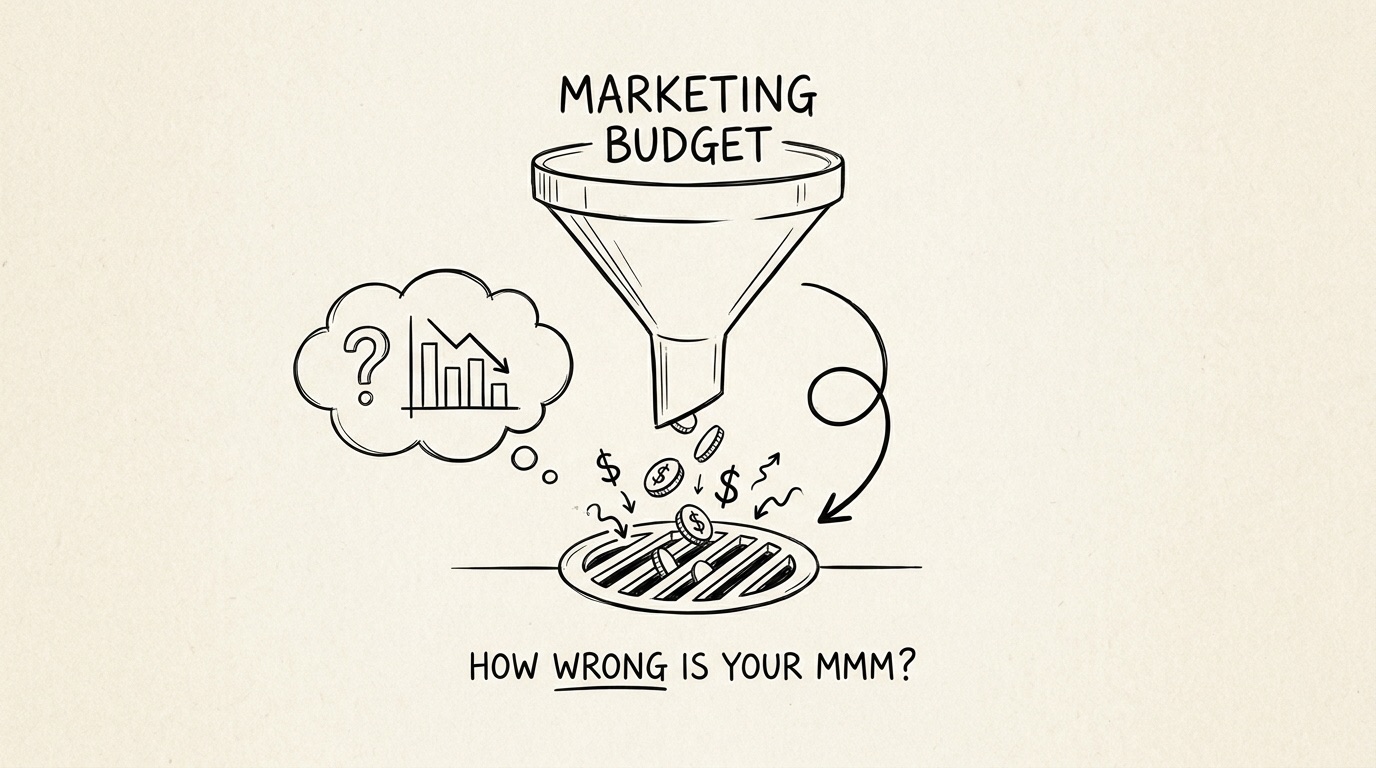
When you shift marketing spend, does your MMM finally tell the truth?
A shift in marketing spend timing can expose an MMM's blind spots, because the model only learns from data that never held the right answers. Testing when you spend, not just how much, reveals whether the model can finally tell the truth. It is a practical challenge to a tool many trust too easily. For deeper coverage on AI-driven analysis, see "Beyond the Search Box: Defining Real Research in AutoResearch."

Gateways can't fix what identity layers don't yet secure.
Start with the agents you can actually name. If you cannot identify which agent is acting, who delegated the work, and what credentials are in play, no gateway will save you. Enforcement feels like progress, but it is the fifth control, not the first. Build the dependency chain in order: inventory, identity, scoped credentials, telemetry, then enforcement. Skip ahead and you will burn your first hour of incident response just figuring out what should have been obvious.

How AI watermarking works and what it means for your code
Anthropic has finally pulled back the curtain on how Claude's watermarking will actually function, and the details matter. The system isn't just a simple tag; it's a subtle layer woven into the model's output, designed to survive edits and alterations. For code, the implications are particularly interesting, since even reformatted or translated snippets should retain their marker. This transparency is a welcome step. It feels less like a gimmick and more like a practical tool for accountability.

New Reports Question Phia's Business Practices and Founders' Awareness
Phoebe Gates and Sophia Kianni reportedly sat on knowledge of Phia's alleged "cookie stuffing" for months. That timing matters. It suggests a tolerance for practices that undercut the trust their shopping startup is supposed to build. If the founders knew, their silence becomes part of the problem. For a company asking users to explore new tools, accountability should be the default, not an afterthought. It is a messy situation, and they owe users a clear, direct response.
Why hacking groups get codenames and how naming shapes cybersecurity
Google just changed how it names hacking groups, and that decision says more about the threat landscape than you might expect. The shift isn't cosmetic. It reflects how tracking these actors has matured, moving from flashy monikers to clearer, more consistent labels. As one of the world's foremost experts on hunting hackers, the person behind Google's approach knows that names carry weight. They shape how researchers communicate and how the public perceives risk. It's a practical move, not a marketing one.

Grok AI detects stolen content and redirects payouts to original creators.
Content theft has long drained value from the very creators who fuel platforms. Now X is stepping up, using Grok AI to spot stolen posts and redirect payouts to the original voices. That is a meaningful move toward fairness, especially when engagement bait has skewed what deserves attention. It is enforcement with intelligence, not just policy. For anyone tired of watching their work get repackaged without credit, this feels like progress.