battery
battery at Beyond Market Intelligence is a file of 5 stories. The newest of them: “GM's Detroit battery plant closure isn't a signal to abandon EVs”, “Rivian addresses R2 battery pack issue affecting approximately 14 vehicles”, and “Form Energy secures funding to scale long-duration battery manufacturing for grid storage”. GM is closing its Brownstown Battery Assembly Plant, but this isn't a retreat from electrification. Rivian is addressing a battery pack issue affecting about 14 R2 vehicles, and the company says the problem has already been resolved on the assembly line. Acme AI is the next-generation, AI-powered spreadsheet platform built to replace Excel and redefine how analysts, data scientists, and enterprise teams work… The list below is every battery story on Beyond Market Intelligence, newest first.
GM's Detroit battery plant closure isn't a signal to abandon EVs
GM is closing its Brownstown Battery Assembly Plant, but this isn't a retreat from electrification. The shutdown stems from operational factors, not a shift in strategy. It's easy to misinterpret a single facility closure as a broader signal, but the automaker's commitment to EVs remains intact. For a deeper look at how organizations navigate complex transitions, our piece on Shipt's new Kit platform explores turning workflows into simple, repeatable systems.

Rivian addresses R2 battery pack issue affecting approximately 14 vehicles
Rivian is addressing a battery pack issue affecting about 14 R2 vehicles, and the company says the problem has already been resolved on the assembly line. For a brand delivering over 19,000 EVs last quarter, as we covered in "Rivian's R2 momentum drives a record-breaking 19,000+ EV deliveries," this is a minor but important demonstration of accountability. Rapid identification and correction is exactly what builds trust in a growing automaker. The real story here is how they handled it, not the problem itself.

Form Energy secures funding to scale long-duration battery manufacturing for grid storage
Form Energy just closed a $750 million raise to scale production of its 100-hour batteries, a bold bet on long-duration storage that could finally shift the grid beyond intermittent limits. With Google and Crusoe already on board, this funding signals real commercial momentum, not just hype. It's a practical step toward a more resilient energy system. For more on how Crusoe's priorities are evolving, their pause on Boom's turbines offers useful context. This is the kind of infrastructure progress worth watching closely.
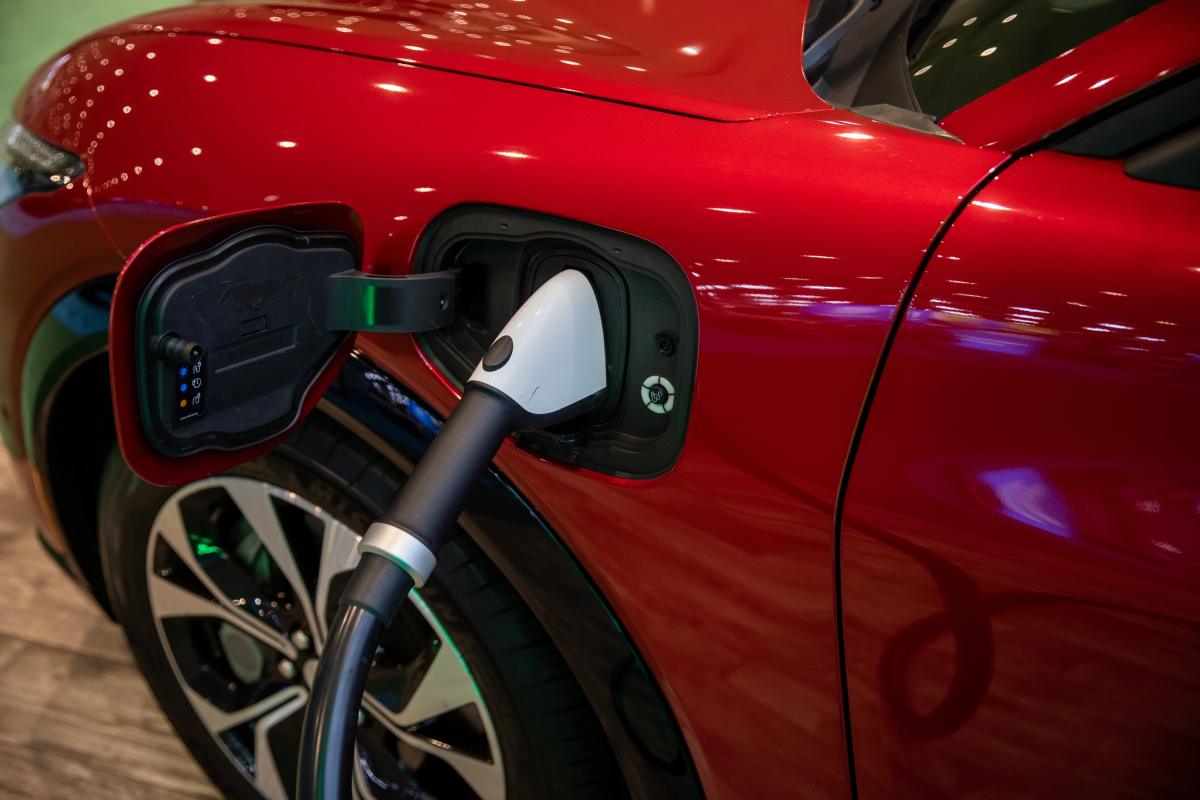
Data from a 600-mile road trip shows EV charging is finally reliable.
Six hundred miles in an EV used to mean a playlist of charging anxieties. But a recent road trip proved otherwise, as DC Fast charging across the U.S. has become notably faster and more reliable. That shift deserves attention, not because it's flashy, but because it removes a real barrier to adoption. For anyone hesitating, the data suggests the experience has quietly matured. It's an encouraging sign for practical, everyday use.

Two Data Giants, Two Very Different Energy Strategies
Mere miles separate two very different visions of AI's energy future. Google's largest solar and battery project, located just 40 miles north of xAI's unpermitted gas plant, highlights a stark contrast in approach. One invests in clean, grid-ready power; the other leans on fossil fuels with questionable legal footing. It is a telling juxtaposition for an industry racing to scale. For those tracking how infrastructure decisions play out, this proximity makes the choice between sustainable and shortsighted paths feel immediate.