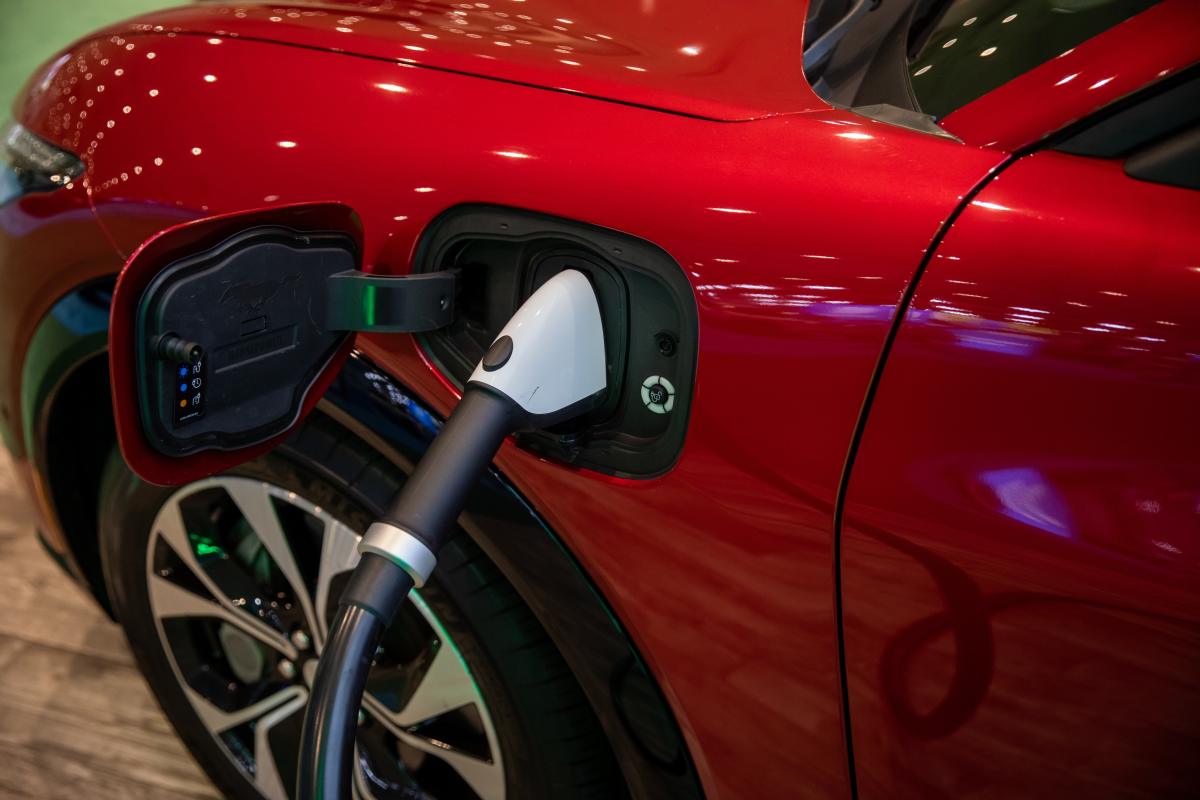
The 600-mile road trip lands differently than it would have even two years ago. For anyone who has held off on going electric because of range anxiety or the fear of sitting at a lonely charger for an hour, the news that DC Fast charging is now faster and more reliable should change the calculation. This is not about hype; it is about the quiet, incremental progress that actually moves the needle for everyday drivers. And that progress matters beyond the automotive world. The same principle applies to how we work with data and spreadsheets: legacy tools that once felt inevitable are now the bottleneck, and the alternative is no longer a compromise. If you are still building workflows around static rows and manual updates, you are living in the world the driver of that 600-mile trip just left behind. The question is not whether to adopt newer tools, but whether you can afford to wait. As we explore in Unlock AI's Enterprise Potential: Navigating Adoption and Ethical Considerations, the same hesitation that kept drivers from trusting fast chargers also keeps teams from trusting AI. The evidence, much like a reliable charging network, is mounting.
What makes this road trip noteworthy is not the distance covered, but the shift in what the driver did not have to think about. No white-knuckle planning around a single working charger. No praying that the next station would be operational. Instead, the infrastructure has quietly matured to the point where the journey, not the charging, became the story. That is the exact moment a technology stops being a project and starts being a utility. We see the same pattern in how people interact with AI-powered tools, from automating mundane calls to rethinking entire workflows. When a feature just works, you stop reading the manual and start asking what else you can do with it. Google's push to put Gemini directly into Pixel devices, highlighted in Unlock Pixel productivity: Gemini AI streamlines calls for you, is built on that same trust. You do not need to understand the neural network; you just need the call to be screened properly. The technology fades into the background, and what remains is the outcome.
Our take is straightforward: let the data from this trip settle the argument. The evidence from that trip suggests that the era of treating EV charging as a gamble is ending. For the practical reader, the takeaway is to reassess your own assumptions about what is still hard. If you have been avoiding a significant change because the early experience was rough, check again. The infrastructure, whether it is a charging network or an AI assistant, has likely caught up to the promise. We would tell a reader who asked us directly: do not wait for perfection, because it will not arrive. Wait for reliability, and that moment is here. The specific detail to watch is not the next big announcement, but the next time you hear someone complain about the old way. That is the signal that the shift is already complete.