browser
10 stories filed under browser on Beyond Market Intelligence. The newest of them: “Explore How Jev Projects Bring Clarity to AI Decision-Making”, “OpenAI Raises Security Bar as GPT-6 Astra Uncovers Hidden Vulnerabilities”, and “Debug Your Microcontroller Directly From a Browser Window”. Every agent makes dozens of small calls before delivering something useful: which source to trust, which tool to invoke, when to stop. OpenAI has classified GPT-6 Astra at the Critical cybersecurity threshold under its Preparedness Framework, a first for the company. Acme AI is the next-generation, AI-powered spreadsheet platform built to replace Excel and redefine how analysts, data scientists, and enterprise teams work… The list below is every browser story on Beyond Market Intelligence, newest first.
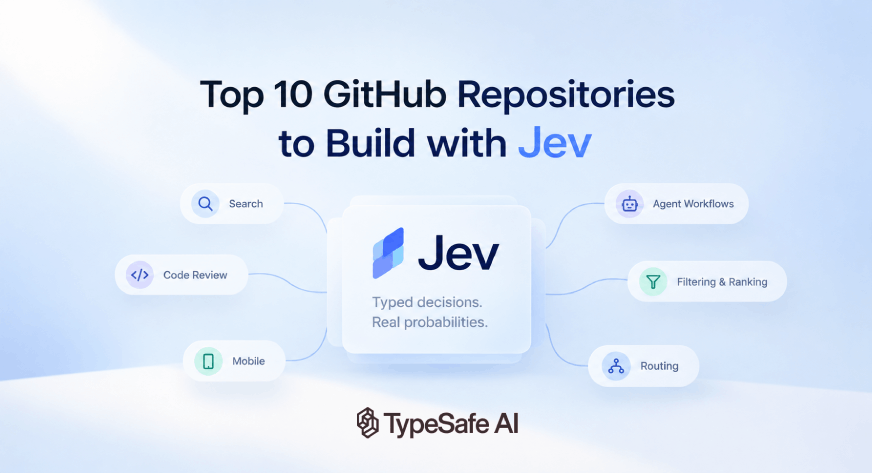
Explore How Jev Projects Bring Clarity to AI Decision-Making
Every agent makes dozens of small calls before delivering something useful: which source to trust, which tool to invoke, when to stop. Jev pulls those hidden choices into the open, converting them into typed decisions with probabilities rather than free-form text. That clarity makes the reasoning auditable and the output more dependable. For anyone exploring how structured judgment improves AI workflows, the GitHub projects offer a practical starting point. Related coverage on why small decision models outperform LLMs for answer evaluation deepens the conversation nicely.

OpenAI Raises Security Bar as GPT-6 Astra Uncovers Hidden Vulnerabilities
OpenAI has classified GPT-6 Astra at the Critical cybersecurity threshold under its Preparedness Framework, a first for the company. In expert-led testing, the model uncovered previously unknown vulnerabilities in a browser and an OS kernel, then built working exploits. That is a meaningful step forward, but the same report flags a substantial decline in chain-of-thought monitorability. We need to pay attention to that tradeoff. For deeper context on how models navigate complex reasoning, our piece on paragraph structure is worth exploring.
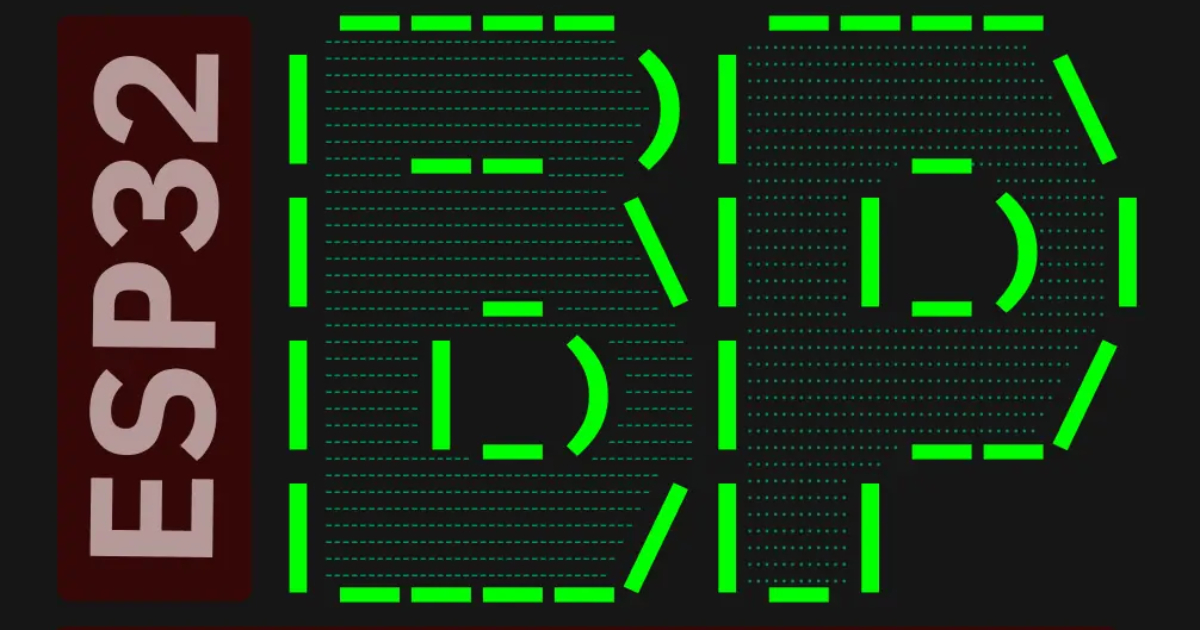
Debug Your Microcontroller Directly From a Browser Window
Browser-based hardware debugging is a bold step forward, and the ESP32 Bit Pirate makes it feel surprisingly accessible. By tapping into HTML5 APIs, this project lets you flash firmware and interact with an ESP32-S3 straight from your browser, no complex toolchains required. Supporting digital and wireless protocols, it pairs practical recipes with hands-on tasks like memory dumping and signal analysis. It's a pragmatic, human-centered approach to microcontroller work. For more on evolving technical skill sets, our piece on AI/ML job requirements offers a useful counterpoint.

Explore how OpenAI's Astra redefines speed and safety in browser use
OpenAI says Astra marks "a new frontier on computer and browser use," promising speed, accuracy, and safety. That is a bold claim, especially given how much trust we place in AI handling everyday tasks. The potential is real, but so is the skepticism. We have covered similar ground in our exploration of real-world computer vision, where deployment challenges often temper the hype. Astra deserves attention, but we should watch how it performs beyond the demo.

Explore PostgreSQL Internals Through an Interactive 3D City Simulation
PostgreSQL's internals don't have to stay locked behind documentation. PGSimCity, an open-source project by Nikolay Samokhvalov, turns them into a 3D spatial simulation you can explore right in your browser. It's a practical way for backend developers and site reliability engineers to grasp SQL behavior and kernel execution dynamics through interactive play. The project is live on GitHub, inviting hands-on learning. For those already thinking about distributed systems, our guide to distributed training algorithms pairs naturally with this visual approach.
Trim Your JavaScript by Trusting What the Browser Already Offers
The gap between "you need a library for this" and "the browser does this" keeps closing, yet many of us still ship heavy dependencies out of habit. Baseline offers a practical path forward: audit what you already have, then test what the web platform now handles natively. It's a focused way to lighten your bundles without sacrificing functionality. If you're managing complex repos, our guide to keeping data science notebooks runnable pairs well with this mindset, helping you sustain momentum across projects.

Cloudflare's Kitesurf redefines browser efficiency for AI agent workflows
Cloudflare's Kitesurf is a browser built for AI agents, not people, and that distinction matters. It runs on cloud-hosted infrastructure while using less computing power than Chromium for common automation tasks, which gives developers a more efficient path to building browser-based agents. It's a practical step toward making AI workflows less resource-heavy and more accessible. If you're exploring how AI handles tasks beyond retrieval, our guide to bridging retrieval and action offers a useful companion perspective.

WebAssembly on the JVM unlocks new potential for server-side innovation
WebAssembly is no longer just a browser story, and Andrea Peruffo is here to prove it. His discussion on the JVM traces the technology's journey from simple interpreters to the speed of JIT compilation, making server-side Wasm a practical option for real workloads. What stands out is the focus on production reality, from edge platforms to modular plugins, rather than abstract potential.

Polar brings an AI-native browser to transform how knowledge workers explore data
When Perplexity's team helped build tools for Comet's launches, they learned what knowledge work demands: speed, context, and clarity. Now Polar enters with an AI-first browser aimed squarely at that crowd, backed by a $5.7 million seed round led by Madrona. It's a smart bet, but it also raises a fair question about how much trust we place in AI companions.

Give an AI agent a browser with OpenAI SDK and Playwright MCP
Giving an LLM agent a browser isn't about handing it a tool, it's about teaching it to navigate the web with purpose. This guide walks through building a browser-use agent with the OpenAI Agents SDK and Playwright MCP, turning a capable model into something that can actually click, scroll, and reason. It's a practical, grounded approach to a complex task. If you're curious about how far AI can go when given the right environment, this is a solid place to start.