code quality
code quality at Beyond Market Intelligence is a file of 10 stories. The newest of them: “Zig’s Creator Explains AI Ban and Shift to Codeberg for Quality and Community”, “Explore how open-source AI transforms code review into a practical daily tool”, and “Verify Your AI Code: Ensuring Intent Without Reading a Single Line”. Andrew Kelley's decision to ban AI contributions from Zig's codebase isn't a Luddite reflex; it's a calculated stand for quality. Alibaba's OpenCodeReview takes a practical step forward in AI-assisted development by pairing deterministic pipelines with an LLM agent for dynamic analysis. Acme AI is the next-generation, AI-powered spreadsheet platform built to replace Excel and redefine how analysts, data scientists, and enterprise teams work… The list below is every code quality story on Beyond Market Intelligence, newest first.

Zig’s Creator Explains AI Ban and Shift to Codeberg for Quality and Community
Andrew Kelley's decision to ban AI contributions from Zig's codebase isn't a Luddite reflex; it's a calculated stand for quality. He argues automated submissions dilute the code and, just as critically, erode the human trust that holds open-source communities together. The move to Codeberg, driven by GitHub's failures and incentive mismatches, reinforces that same principle. It's a firm, thoughtful reminder that sustainable software needs more than working code.

Explore how open-source AI transforms code review into a practical daily tool
Alibaba's OpenCodeReview takes a practical step forward in AI-assisted development by pairing deterministic pipelines with an LLM agent for dynamic analysis. It targets real pain points like null-pointer exceptions and SQL injection without overpromising. That grounded approach is refreshing. For teams exploring how AI fits into their workflow, this tool offers a tangible entry point. If you're weighing broader AI adoption, our related piece on enterprise navigation and ethical considerations pairs well with this release. Explore both to see how far the practice has come.

Verify Your AI Code: Ensuring Intent Without Reading a Single Line
Generated code can feel like a black box, even when it works. But when it fails silently, the cost is more than a bug; it's a breach of trust in your own workflow. A practical path to verify your app's intent without wading through every line is offered. It's a smart, accessible approach for anyone tired of guessing what the AI actually did. If you're exploring how LLMs reason, our guide to paragraph structure adds useful context on their inner logic.
Seven Python habits that surface surprises before production does
Watching senior developers work is less about speed and more about calm. The seven practices they follow are built to reduce surprise, catching issues before they ever reach production. It's a discipline that values foresight over cleverness. If you're ready to move beyond syntax and into mindset, these habits are worth your attention. For a deeper look at how advanced thinking reshapes code, our piece on unlocking Python's potential pairs well with this. The goal isn't to do more. It's to make the unexpected rare.

Transform Your Python Code from Tangled Mess to Maintainable Functions
Messy Python has a way of working, then haunting you. That tangled script you wrote at 2 a.m. becomes a maze of copy-pasted logic and mysterious variables. This guide walks through the practical art of refactoring that spaghetti into clean, maintainable functions. It's about making your code easier to read, not just run. If you're ready to move beyond patching problems and start building with intention, this is the right first step.

Smart Code Reviews Balance AI Speed with Human Insight
Finding the right balance between speed and scrutiny is the real challenge in modern development. Ben Linders explores how mandatory AI checks paired with manual spikes for complex changes can keep developers sharp without sacrificing momentum. The approach is refreshingly practical: let AI handle low-risk approvals, but reserve human review for what truly matters. It's a sustainable model for teams that trust their code owners. For more on how AI reshapes technical workflows, our piece on verifying AI's understanding offers a useful parallel.
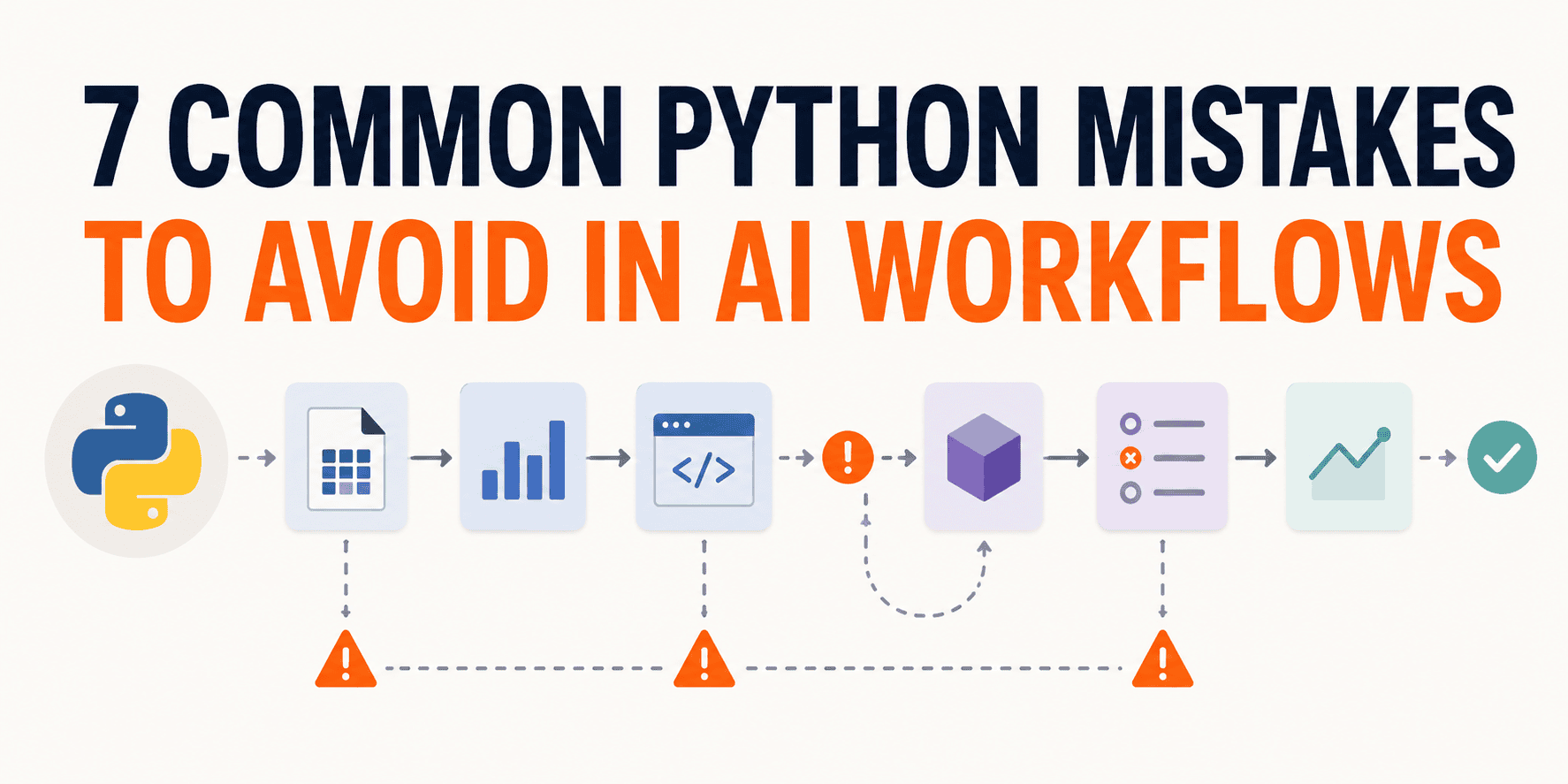
Your Pipeline Ran Clean. Here's Why That Doesn't Mean It Worked.
A clean run feels like a win. But in AI workflows, it's often a mirage. The process executed; that's all. It tells you nothing about what the pipeline actually learned, which rows shaped it, or whether the saved result can be trusted elsewhere. That gap is where real mistakes live. If you're ready to move past surface-level checks, our guide on distributed algorithms offers a natural next step. For now, let's focus on the seven pitfalls that quietly undermine your data's integrity.
Learn from Common Python Errors to Write Cleaner Code
Your code runs, but it's wrong. That's the frustrating part of Python. The syntax is fine, the program executes, yet the output drifts from what you intended. These seven mistakes aren't typos or crashes; they're silent logic traps hiding in plain sight. We break down each hidden cause and give you the first concrete thing to check, so you can stop guessing and start correcting. For a deeper dive into smarter coding habits, our piece on unlocking Python's potential pairs well with this guide.
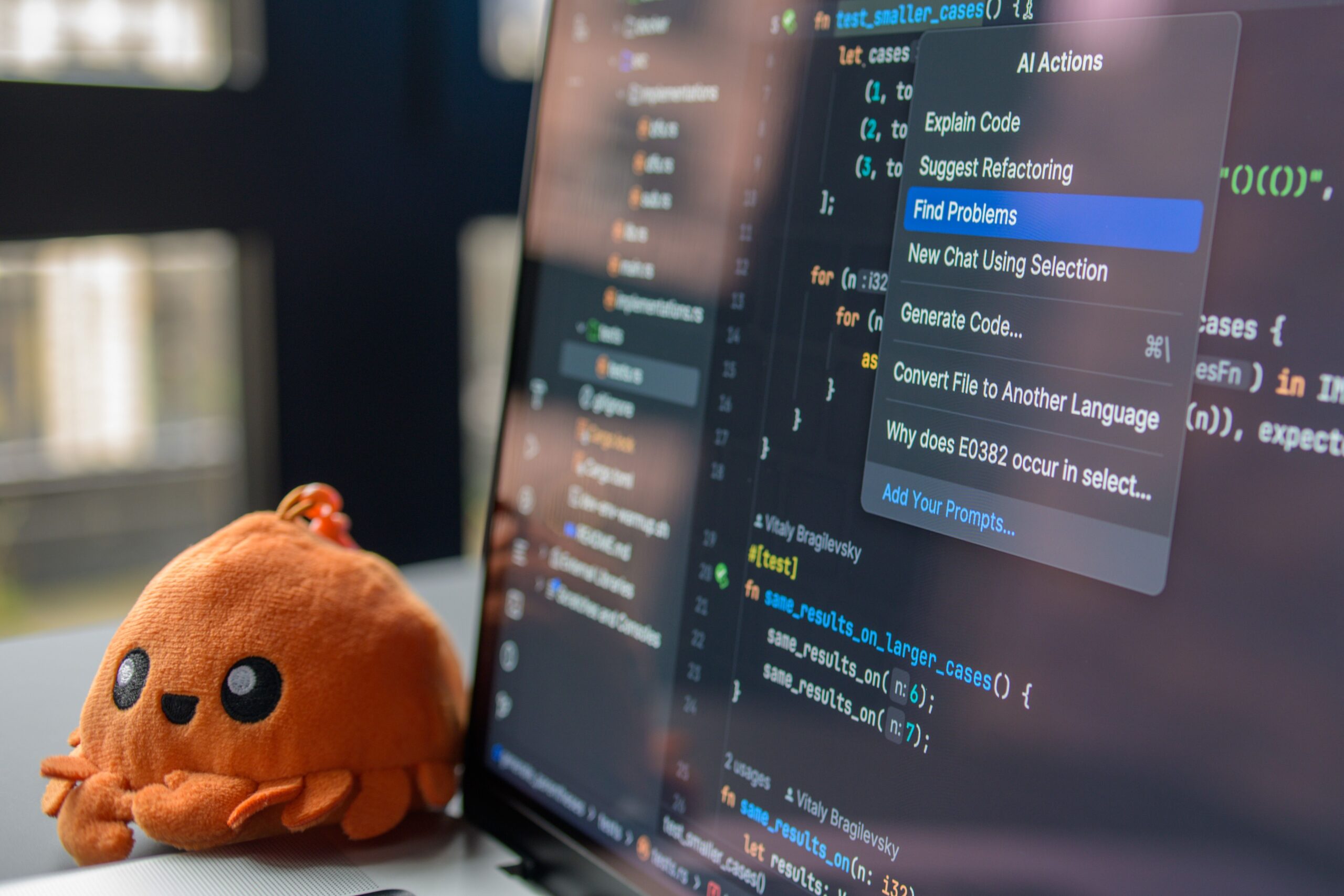
Discover how to guide AI agents toward code you can trust
Writing code with AI agents is about more than generating lines faster. It's about steering the output toward quality. This practical guide cuts through the noise, showing you how to work with these tools to get better code, not just more of it. We appreciate the focus on real workflows over hype. For a deeper look at the underlying mechanics, you might also explore our piece, "Unlock LLM Training: A Practical Guide to Distributed Algorithms."

What AI Code Debugging Reveals About Missing Information Gaps
Twenty-eight debugging experiments point to a clear truth: AI coding tools don't stumble on complexity as much as they do on missing information. That's a refreshingly precise diagnosis, one that shifts the conversation from raw capability to practical context. For anyone who's felt the limits of AI harnesses, this is a nudge to look closer at what's omitted, not just what's miscomputed. It's a smart, human-centered read.